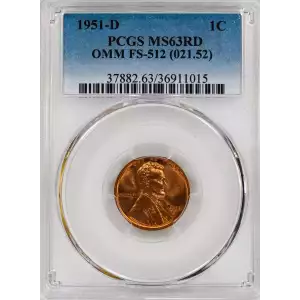
1955 Small Cents Lincoln, Wheat Ears Reverse NGC MS-66 RD

1955 Small Cent Lincoln Wheat Ears Reverse NGC MS-66 RD

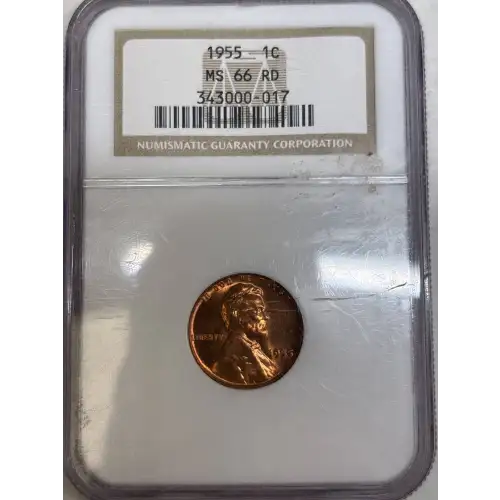
The 1955 Small Cent Lincoln Wheat Ears Reverse represents a pivotal moment in American numismatic history. This exceptional example, graded NGC MS-66 RD (Red), showcases the quality and artistry of mid-20th century U.S. coin production. The MS-66 grade indicates this coin has been carefully preserved, displaying minimal wear and outstanding eye appeal that collectors and investors seek in premium numismatic specimens.

A Transitional Year in U.S. Coinage

The year 1955 marked a significant transition in American penny production. This was the final year of the Lincoln Wheat Ears reverse design, which had graced the reverse of the Lincoln cent since 1909. After 1955, the U.S. Mint would introduce the Lincoln Memorial reverse design, making 1955 an important date for collectors focused on completing their Wheat Ears cent sets. The 1955 Small Cent is particularly sought after by numismatists building comprehensive collections of this iconic series.

The Lincoln Wheat Ears Design Legacy

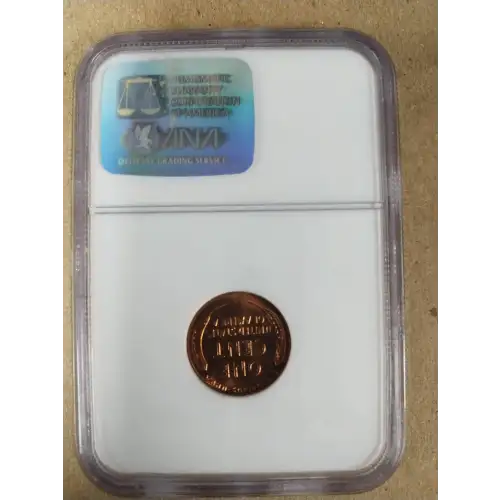
Designed by Victor D. Brenner, the Wheat Ears reverse became one of the most recognizable designs in American coinage history. The reverse features two wheat stalks flanking the word "ONE CENT," symbolizing American agriculture and prosperity. The obverse displays Lincoln's left-facing profile, a design that has appeared on U.S. pennies since 1909. This combination of classical design elements and patriotic symbolism has made the Lincoln cent one of the most collected coins in United States numismatic history.

The Wheat Ears reverse design was not merely decorative; it represented an era of American history and the nation's values during the early and mid-20th century. These coins were actively circulated throughout the American economy, and finding well-preserved examples like this NGC MS-66 RD specimen is increasingly challenging for collectors.

Understanding the NGC MS-66 RD Grade

The NGC (Numismatic Guaranty Company) grading service employs rigorous standards to evaluate coins on a numerical scale from 1 to 70. An MS-66 grade indicates "Gem Mint State" quality, representing a coin that is nearly perfect with only minor imperfections visible under magnification. For a 1955 Small Cent to achieve this grade is notable, as many examples from this era show varying degrees of wear and oxidation.

The "RD" designation in the grade stands for "Red," indicating that this coin maintains its original, vibrant red copper color. This is particularly significant for small cents, as copper coins naturally oxidize and develop brown or brown-red patina over time. An RD coin demonstrates exceptional preservation and storage practices, making it more desirable to collectors seeking original condition specimens.

Copper Composition and Preservation

The 1955 Small Cent is composed of 95% copper and 5% zinc, a composition that remained standard for U.S. pennies from 1909 through 1961. This copper-rich composition gives these coins their distinctive appearance and warm luster. However, copper's reactive nature means that proper storage is essential for maintaining the red color. This NGC MS-66 RD example has clearly been preserved with exceptional care, retaining its original color and brilliance.

The maintenance of red color on a copper coin is a testament to its storage conditions and handling history. Coins stored in acidic materials, exposed to humidity, or handled with bare hands typically develop brown or brown-red toning. The RD designation indicates this coin has been protected from such environmental factors throughout its preservation.

Collector Appeal and Investment Potential

The 1955 Small Cent holds significant appeal for multiple collector categories. Type collectors seek one example of the Lincoln Wheat Ears design for their collections, making this the final year of the series particularly desirable. Date and mint collectors pursuing complete Lincoln cent collections require this date to finish their sets. Additionally, those focusing on high-grade copper coins and Registry Sets find exceptional specimens like this NGC MS-66 RD example essential for their collections.

The combination of the final-year status, exceptional grade, and red color preservation makes this coin an attractive investment piece. As original-condition coins from this era become increasingly scarce, prices for high-grade examples continue to appreciate steadily.

Historical Context of 1955

The year 1955 was a time of prosperity and optimism in the United States. Post-World War II economic growth was in full swing, and American society was experiencing significant cultural and technological advancement. During this period, millions of pennies circulated through American commerce, yet most were spent and used, making well-preserved examples from this era increasingly rare.

The transition from Wheat Ears to Memorial reverse design in 1956 was intended to commemorate the 50th anniversary of the Lincoln cent and to celebrate the completion of the Lincoln Memorial. This change makes 1955 a natural endpoint for collectors of the Wheat Ears series and a significant date in American numismatic history.

Specifications and Technical Details

  • Date: 1955
  • Denomination: One Cent (Penny)
  • Design: Lincoln Wheat Ears Reverse (Final Year)
  • Obverse Designer: Victor D. Brenner
  • Composition: 95% Copper, 5% Zinc
  • Weight: 3.11 grams
  • Diameter: 19.05 millimeters
  • Thickness: 1.52 millimeters
  • NGC Grade: MS-66 RD (Gem Mint State, Red)
  • Certification Number: Assigned by NGC
  • Mint Mark: Determined by strike characteristics
  • Category: United States Small Cents

Why Choose This 1955 Small Cent?

This NGC MS-66 RD graded 1955 Small Cent offers collectors and investors a rare opportunity to acquire a final-year Wheat Ears example in exceptional condition. The combination of significant historical importance, superior grade, and original red color creates a specimen that stands apart from typical examples of this date. Whether you're building a complete Wheat Ears collection, establishing a Registry Set, or seeking investment-grade U.S. coinage, this coin represents an outstanding choice.

The red color designation is particularly important for collectors, as it indicates the coin retains its original appearance as it left the U.S. Mint in 1955. Many examples that survived the decades have developed brown or brown-red toning, making RD coins increasingly difficult to locate in the marketplace.

Numismatic Investment Considerations

High-grade examples of U.S. small cents have demonstrated consistent appreciation over time, particularly coins with exceptional eye appeal and original color preservation. The NGC MS-66 RD grade commands premium pricing due to the rarity of coins in this grade range and the desirability of the red designation. As collector demand for scarce American coinage continues to grow, pieces like this 1955 example tend to outperform market expectations.

Whether acquired as part of a collection, for display purposes, or as a tangible asset investment, this coin represents a genuine numismatic treasure from American coinage history. Its grade, condition, color preservation, and historical significance combine to create an exceptional specimen that will likely appreciate in value over time.

Product ID 561411
Year 1955
Mint Mark
Strike MS
Grade MS-66
Variety -
Grading Agency NGC
Specification properties No
Serial 343000-017
Status Active
Designation RD
Additional Info -

You must be authenticated to write reviews. Click here   to login.

There are no reviews yet. Be the first to write one!

1955 Small Cents Lincoln, Wheat Ears Reverse NGC MS-66 RD

Category: Small Cents Lincoln, Wheat Ears Reverse
Wire / Check Price
+

Description

1955 Small Cent Lincoln Wheat Ears Reverse NGC MS-66 RD

The 1955 Small Cent Lincoln Wheat Ears Reverse represents a pivotal moment in American numismatic history. This exceptional example, graded NGC MS-66 RD (Red), showcases the quality and artistry of mid-20th century U.S. coin production. The MS-66 grade indicates this coin has been carefully preserved, displaying minimal wear and outstanding eye appeal that collectors and investors seek in premium numismatic specimens.

A Transitional Year in U.S. Coinage

The year 1955 marked a significant transition in American penny production. This was the final year of the Lincoln Wheat Ears reverse design, which had graced the reverse of the Lincoln cent since 1909. After 1955, the U.S. Mint would introduce the Lincoln Memorial reverse design, making 1955 an important date for collectors focused on completing their Wheat Ears cent sets. The 1955 Small Cent is particularly sought after by numismatists building comprehensive collections of this iconic series.

The Lincoln Wheat Ears Design Legacy

Designed by Victor D. Brenner, the Wheat Ears reverse became one of the most recognizable designs in American coinage history. The reverse features two wheat stalks flanking the word "ONE CENT," symbolizing American agriculture and prosperity. The obverse displays Lincoln's left-facing profile, a design that has appeared on U.S. pennies since 1909. This combination of classical design elements and patriotic symbolism has made the Lincoln cent one of the most collected coins in United States numismatic history.

The Wheat Ears reverse design was not merely decorative; it represented an era of American history and the nation's values during the early and mid-20th century. These coins were actively circulated throughout the American economy, and finding well-preserved examples like this NGC MS-66 RD specimen is increasingly challenging for collectors.

Understanding the NGC MS-66 RD Grade

The NGC (Numismatic Guaranty Company) grading service employs rigorous standards to evaluate coins on a numerical scale from 1 to 70. An MS-66 grade indicates "Gem Mint State" quality, representing a coin that is nearly perfect with only minor imperfections visible under magnification. For a 1955 Small Cent to achieve this grade is notable, as many examples from this era show varying degrees of wear and oxidation.

The "RD" designation in the grade stands for "Red," indicating that this coin maintains its original, vibrant red copper color. This is particularly significant for small cents, as copper coins naturally oxidize and develop brown or brown-red patina over time. An RD coin demonstrates exceptional preservation and storage practices, making it more desirable to collectors seeking original condition specimens.

Copper Composition and Preservation

The 1955 Small Cent is composed of 95% copper and 5% zinc, a composition that remained standard for U.S. pennies from 1909 through 1961. This copper-rich composition gives these coins their distinctive appearance and warm luster. However, copper's reactive nature means that proper storage is essential for maintaining the red color. This NGC MS-66 RD example has clearly been preserved with exceptional care, retaining its original color and brilliance.

The maintenance of red color on a copper coin is a testament to its storage conditions and handling history. Coins stored in acidic materials, exposed to humidity, or handled with bare hands typically develop brown or brown-red toning. The RD designation indicates this coin has been protected from such environmental factors throughout its preservation.

Collector Appeal and Investment Potential

The 1955 Small Cent holds significant appeal for multiple collector categories. Type collectors seek one example of the Lincoln Wheat Ears design for their collections, making this the final year of the series particularly desirable. Date and mint collectors pursuing complete Lincoln cent collections require this date to finish their sets. Additionally, those focusing on high-grade copper coins and Registry Sets find exceptional specimens like this NGC MS-66 RD example essential for their collections.

The combination of the final-year status, exceptional grade, and red color preservation makes this coin an attractive investment piece. As original-condition coins from this era become increasingly scarce, prices for high-grade examples continue to appreciate steadily.

Historical Context of 1955

The year 1955 was a time of prosperity and optimism in the United States. Post-World War II economic growth was in full swing, and American society was experiencing significant cultural and technological advancement. During this period, millions of pennies circulated through American commerce, yet most were spent and used, making well-preserved examples from this era increasingly rare.

The transition from Wheat Ears to Memorial reverse design in 1956 was intended to commemorate the 50th anniversary of the Lincoln cent and to celebrate the completion of the Lincoln Memorial. This change makes 1955 a natural endpoint for collectors of the Wheat Ears series and a significant date in American numismatic history.

Specifications and Technical Details

  • Date: 1955
  • Denomination: One Cent (Penny)
  • Design: Lincoln Wheat Ears Reverse (Final Year)
  • Obverse Designer: Victor D. Brenner
  • Composition: 95% Copper, 5% Zinc
  • Weight: 3.11 grams
  • Diameter: 19.05 millimeters
  • Thickness: 1.52 millimeters
  • NGC Grade: MS-66 RD (Gem Mint State, Red)
  • Certification Number: Assigned by NGC
  • Mint Mark: Determined by strike characteristics
  • Category: United States Small Cents

Why Choose This 1955 Small Cent?

This NGC MS-66 RD graded 1955 Small Cent offers collectors and investors a rare opportunity to acquire a final-year Wheat Ears example in exceptional condition. The combination of significant historical importance, superior grade, and original red color creates a specimen that stands apart from typical examples of this date. Whether you're building a complete Wheat Ears collection, establishing a Registry Set, or seeking investment-grade U.S. coinage, this coin represents an outstanding choice.

The red color designation is particularly important for collectors, as it indicates the coin retains its original appearance as it left the U.S. Mint in 1955. Many examples that survived the decades have developed brown or brown-red toning, making RD coins increasingly difficult to locate in the marketplace.

Numismatic Investment Considerations

High-grade examples of U.S. small cents have demonstrated consistent appreciation over time, particularly coins with exceptional eye appeal and original color preservation. The NGC MS-66 RD grade commands premium pricing due to the rarity of coins in this grade range and the desirability of the red designation. As collector demand for scarce American coinage continues to grow, pieces like this 1955 example tend to outperform market expectations.

Whether acquired as part of a collection, for display purposes, or as a tangible asset investment, this coin represents a genuine numismatic treasure from American coinage history. Its grade, condition, color preservation, and historical significance combine to create an exceptional specimen that will likely appreciate in value over time.

Specifications

Secure Transactions
Safeguarding Your Investments/Passion in Coins, Currency, or Bullion
We Buy Estates
We buy in-whole or in-part estates in 7 a state area.
Cash for Gold
Convert unwanted jewelry to cash or bullion
Your Cart


Continue to Checkout