- Gold Au $4322.60 $-23.30
- Silver Ag $65.50 $-0.72
- Platinum Pt $1800.50 $-20.54
- Palladium Pd $1333.00 $-13.16
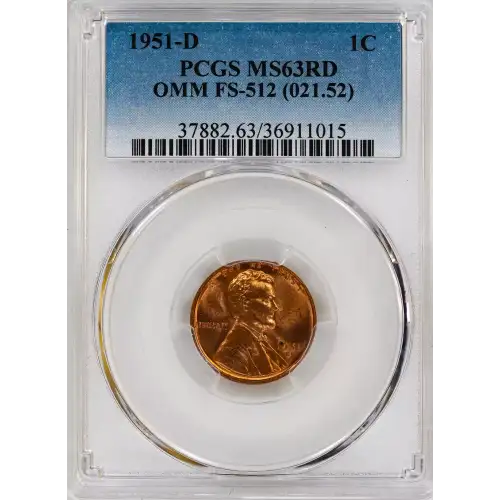
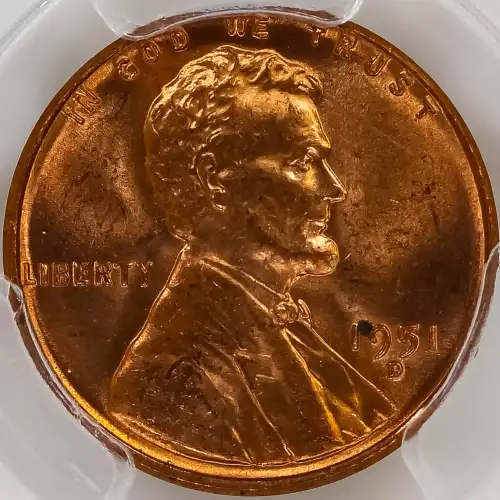
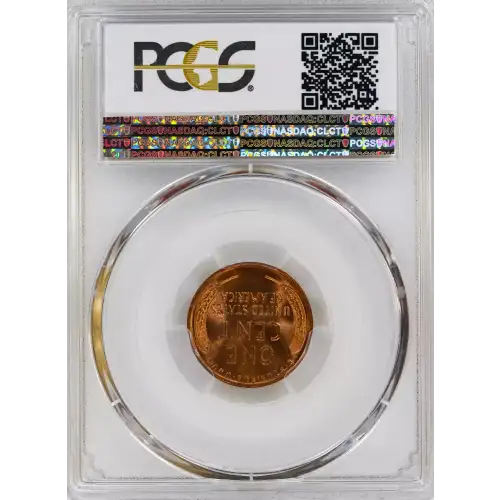
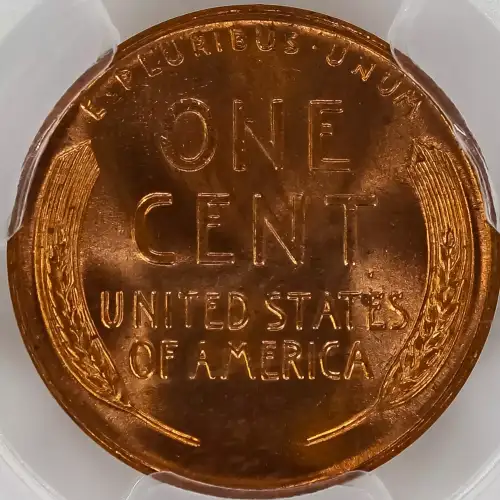
1951-D Small Cents Lincoln, Wheat Ears Reverse PCGS MS-63 RD OMM FS-512
Category: Small Cents Lincoln, Wheat Ears ReverseDescription
1951-D Lincoln Wheat Penny - PCGS MS-63 Red - Scarce Overdate Variety
The 1951-D Lincoln Wheat Ears Reverse penny represents a fascinating piece of American numismatic history. This particular specimen, graded by PCGS as MS-63 Red, showcases the iconic design that has captivated coin collectors for generations. The designation FS-512 OMM indicates this is a notable overdate variety that appeals to serious numismatists seeking rare die variations.
About the 1951-D Lincoln Wheat Cent
Minted during the post-World War II economic boom, the 1951-D penny was produced at the Denver Mint facility. This period of American coinage reflects the nation's strong manufacturing capabilities and growing prosperity. The "D" mint mark indicates this coin was struck in Denver, Colorado, making it distinct from Philadelphia and San Francisco issues of the same year.
The wheat penny series, officially known as the Lincoln Cent with Wheat Ears Reverse, was produced from 1909 through 1958. By 1951, this beloved design had already become an integral part of everyday American commerce, though it would continue for another seven years before the Memorial reverse would take its place.
Understanding the FS-512 Overdate Variety
The FS-512 designation (appearing in the Fivaz-Stanton reference guide for doubled dies and overdates) indicates a notable die variety that distinguishes this coin from standard 1951-D issues. Overdate varieties occur when mint workers reused dies by overdating them—punching a new date digit over the previous year's date. This creates interesting die characteristics that make the coin scarce and highly desirable to variety collectors.
Collectors who specialize in die varieties and overdates consider FS-512 examples to be important pieces for their collections. These coins represent the mechanical processes of the mint during the mid-twentieth century and offer insight into production methods that sometimes resulted in these fascinating variants.
PCGS MS-63 Red Grade Explanation
The PCGS grade of MS-63 indicates this coin is in Mint State condition, meaning it was never circulated. The "Red" designation refers to the coin's color, showing that it retains significant original red luster rather than turning to brown or other colors through oxidation over time. Red-colored Lincoln cents are particularly prized because they demonstrate superior preservation and original mint finish.
In the MS-63 grade range, a coin exhibits light contact marks visible to the naked eye under normal lighting conditions. These marks resulted from the minting process itself or careful handling since production. Despite these minor imperfections, an MS-63 Red example displays excellent eye appeal and represents a well-preserved specimen from over 70 years ago.
Historical Context of 1951 Coinage
The year 1951 falls within an important period of American numismatic history. The nation was recovering from the Korean War's beginning, and the economy remained strong. Penny production during this era reflected the high volume of commerce occurring throughout the United States. The Denver Mint, responsible for this coin's production, maintained rigorous standards while meeting substantial demand for circulating coinage.
During the early 1950s, collectors were beginning to take greater interest in modern coins. While the wheat penny series would eventually be replaced, specimens from this period are now considered part of the classic American numismatic heritage. The 1951-D penny marks the later years of this iconic design's production run.
The Lincoln Cent Design Legacy
Victor David Brenner's original 1909 Lincoln cent design remains one of the most respected and recognizable coin designs in American numismatics. The obverse features Abraham Lincoln's profile facing left, along with his birth and death years (1809-1865). The reverse depicts two wheat stalks flanking a central shield, symbolizing American agriculture and strength.
This wheat ears reverse design, used from 1909 to 1958, has become iconic in its own right. Collectors worldwide recognize the elegant wheat stalks immediately. The design symbolizes America's agricultural heritage and represented the nation's values during its period of use.
Coin Specifications
- Year of Issue: 1951
- Mint Mark: D (Denver Mint)
- Denomination: One Cent (1¢)
- Series: Lincoln Cent, Wheat Ears Reverse
- Metal Composition: 95% copper, 5% zinc
- Diameter: 19.05 millimeters
- Weight: 3.11 grams
- Edge: Plain (smooth edge)
- Obverse Designer: Victor David Brenner
- Reverse Designer: Victor David Brenner
- Grading Company: PCGS (Professional Coin Grading Service)
- Grade: MS-63 (Mint State 63)
- Color Designation: Red (RD)
- Die Variety: FS-512 OMM (Overdate variety)
- Rarity Level: Scarce as a Red overdate variety
Why Collectors Seek This Coin
Numismatists and serious collectors actively pursue 1951-D Lincoln cents in MS-63 Red condition, particularly overdate varieties like FS-512. Several factors make this coin appealing: the scarcity of the overdate variety, the attractive Red color indicating superior preservation, the historical significance of the year 1951, and the Denver Mint provenance.
Die variety collectors, in particular, recognize that FS-512 examples represent important catalog numbers in their collections. The thrill of owning a specific die variety documented in numismatic references appeals to serious collectors who appreciate the mechanical nature of coin production.
Investment and Collecting Perspective
While all coins fluctuate in value based on market conditions and collector demand, scarce date and variety combinations like the 1951-D FS-512 in Red condition have demonstrated sustained collector interest. Red-graded wheat pennies generally command premiums over their brown counterparts due to superior color preservation.
This particular specimen represents an opportunity to acquire a genuine numismatic rarity that combines multiple desirable attributes: the specific date and mint mark, the overdate variety status, the excellent MS-63 grade, and the red color preservation that collectors prize.
Preservation and Care
Housed in its PCGS protective holder, this coin is preserved in stable condition. Proper storage away from moisture, temperature extremes, and direct sunlight will maintain its appearance for future generations. The certified slab provides authentication and grade documentation that protects both the collector's investment and the coin's integrity.
Collectors should handle certified coins by their slabs rather than touching the coin surface directly. This practice prevents oils and acids from human skin from affecting the coin's appearance and value.
The Complete Numismatic Package
When you acquire this 1951-D Lincoln Wheat Cent FS-512 in MS-63 Red, you're obtaining more than a piece of metal—you're acquiring a tangible connection to American history, a documented die variety that numismatists have cataloged and studied, and a well-preserved example of classic twentieth-century coinage. The PCGS certification provides the authentication and grading expertise that serious collectors demand.
Whether you're expanding an established collection, seeking a specific die variety, or discovering the rewards of numismatic collecting, this exceptional 1951-D penny represents a worthwhile acquisition that combines historical significance with documented rarity and superior preservation.
Specifications
Related products