- Gold Au $4667.10 $12.12
- Silver Ag $69.07 $-0.11
- Platinum Pt $1878.50 $-19.41
- Palladium Pd $1373.50 $-18.85
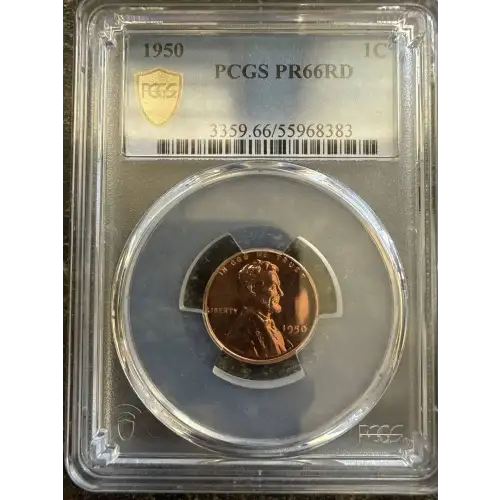
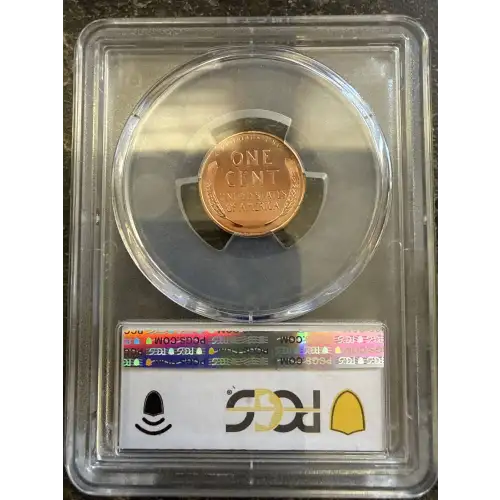
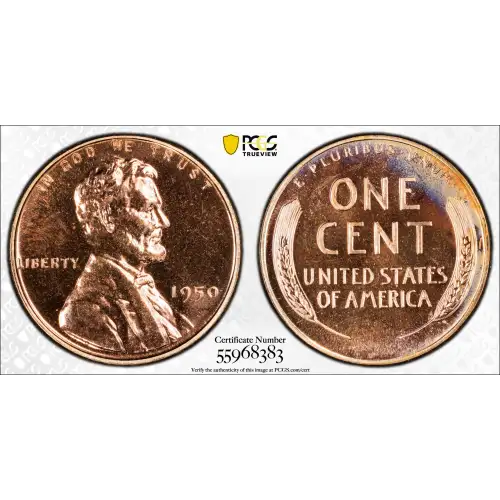
1950 Small Cents Lincoln, Wheat Ears Reverse PCGS PR-66 RD
Category: Small Cents Lincoln, Wheat Ears ReverseDescription
1950 P Small Cents Lincoln Wheat Ears Reverse PCGS PR-66 RD
The 1950 P Small Cents Lincoln Wheat Ears Reverse PCGS PR-66 RD represents an exceptional example of mid-20th century American coinage. This certified proof penny is a highly sought-after collector's item that combines numismatic significance with exceptional preservation. The PCGS certification of PR-66 RD (Proof-66 Red) indicates that this coin maintains excellent eye appeal with vibrant original mint luster, making it a premium acquisition for serious collectors and numismatic enthusiasts.
Historical Significance of the Lincoln Cent
The Lincoln Cent, first introduced in 1909, revolutionized American coinage by being the first circulating U.S. coin to feature a real historical figure rather than an allegorical representation. The 1950 P Small Cents represents a pivotal moment in this storied series, coming at a time when post-World War II America was experiencing unprecedented prosperity and optimism.
The Wheat Ears reverse design, which appears on this 1950 penny, was the iconic design element used on all Lincoln cents from 1909 through 1958. This distinctive reverse features two stalks of wheat flanking the denomination, symbolizing American agriculture and prosperity. The Wheat Ears design became one of the most recognizable and beloved coin designs in numismatic history.
The 1950 Proof Penny: A Key Date for Collectors
Proof coins are specially struck coins produced for collectors and numismatists, featuring enhanced detail and mirror-like fields. The 1950 P proof pennies were manufactured in limited quantities exclusively for sale to collectors, making them considerably scarcer than their circulated counterparts. These coins were produced with specially prepared dies and blank planchets, resulting in sharper strikes and superior finish.
The 1950 date represents an important transitional year in the Lincoln cent series. Production numbers for proof coins in this era were significantly lower than modern proof production, contributing to their collectible status. Finding a well-preserved example of a 1950 proof penny is increasingly challenging as time passes and examples succumb to improper storage or handling.
Understanding PCGS Grading: PR-66 RD
The PCGS (Professional Coin Grading Service) certification on this coin provides independent verification of its grade and authenticity. The designation PR-66 RD places this coin at a high level on the Sheldon scale, indicating "Gem Proof" quality with only minor imperfections visible under magnification.
The "RD" designation is particularly important for Lincoln cents, as it refers to "Red" color—indicating that the coin retains its original brilliant copper coloring with minimal oxidation or toning. Copper-colored proof cents in this grade are increasingly scarce, as many examples have toned to brown or red-brown over the decades due to environmental exposure. The retention of full original red coloring in a coin of this age is a testament to superior storage conditions and handling practices.
At the PR-66 level, this penny exhibits:
- Sharp, well-defined strike details throughout both obverse and reverse
- Brilliant mirror-like fields characteristic of quality proof production
- Minimal post-mint contact marks visible only under close examination
- Excellent eye appeal and visual quality
- Full original red coloring and patina
Obverse Design: Lincoln Portrait
The obverse of this coin features Victor David Brenner's iconic portrait of Abraham Lincoln, one of the most admired and recognizable designs in American numismatic history. The portrait captures Lincoln in profile, facing left, with meticulous attention to detail that becomes especially apparent in high-grade proof examples like this 1950 specimen.
The inscriptions on the obverse include "LIBERTY" along the left side and "IN GOD WE TRUST" along the lower left portion of the coin. The date "1950" appears at the lower right of the obverse, and the mintmark "P" (indicating Philadelphia Mint production) is located below the date.
Reverse Design: Wheat Ears
The reverse of this penny showcases the beloved Wheat Ears design, featuring two wheat stalks positioned vertically and flanking the central denomination. This design, also created by Victor David Brenner, remained virtually unchanged throughout its 50-year run on the Lincoln cent series.
The reverse includes the inscriptions "UNITED STATES OF AMERICA" along the upper rim, "ONE CENT" in the center, and "E PLURIBUS UNUM" along the lower portion. The proof version of this design shows exceptional detail in the wheat stalks, with each kernel and stem clearly delineated—a feature that is especially appreciated by wheat cent collectors.
Specifications and Technical Details
- Date: 1950
- Mint: Philadelphia (P mintmark)
- Denomination: One Cent
- Obverse Designer: Victor David Brenner
- Type: Lincoln Cent, Wheat Ears Reverse
- Grade: PCGS PR-66 RD
- Certification Number: Available upon request
- Composition: 95% Copper, 5% Zinc (standard for pre-1982 cents)
- Weight: 3.11 grams
- Diameter: 19.05 mm
- Edge: Plain
- Variety: Small Date Obverse
Rarity and Collector Appeal
The 1950 P proof penny is particularly notable for its production context. The early 1950s saw relatively modest proof coin production compared to later decades, making original proof coins from this era increasingly difficult to locate. Proof coins were only produced for those collectors and numismatists who specifically requested them, resulting in far fewer examples entering the market compared to regular circulation strikes.
In the PR-66 RD grade with full original red coloring, this coin represents an exceptional acquisition. Many 1950 proof cents that have survived the decades have developed brown or red-brown toning due to improper storage or environmental exposure. Finding an example that has retained its brilliant original copper coloring while maintaining gem-level preservation is a significant achievement in Lincoln cent collecting.
Why Collectors Seek 1950 Wheat Cent Proof Pennies
Collectors pursue high-grade proof examples of 1950 wheat cents for numerous compelling reasons. First, the 1950 date marks an important era in American post-war history, and collecting coins from this period provides a tangible connection to that pivotal time. Second, proof coins represent the pinnacle of mint craftsmanship and were created with the express intention of being collected rather than circulated.
Third, the Wheat Ears reverse design enjoys tremendous nostalgia and historical reverence among numismatists. Many collectors specialize in wheat cents exclusively, viewing them as the "classic" period of Lincoln cent production. The wheat series ended in 1958, making these coins now over 60 years old and representing a distinct era in American coinage that ended decades ago.
Fourth, examples in PR-66 RD grade represent the upper echelon of preservation and color retention. These are display-quality coins that showcase the beauty and artistry of Brenner's designs in a way that worn circulated examples simply cannot match.
Preservation and Storage Considerations
For collectors acquiring this piece, proper storage and handling are essential to maintaining its exceptional condition. This proof penny should be stored in a cool, dry location away from direct sunlight, humidity fluctuations, and environmental contaminants. The PCGS certification holder provides excellent protection and should not be removed unless absolutely necessary.
Handling should be minimized, and if the coin must be handled, this should only be done with clean, dry hands, preferably with cotton gloves to prevent the transfer of oils and salts that could damage the delicate surfaces. Proof coins are far more susceptible to damage than circulated examples due to their mirror-like fields and lack of circulation wear.
Investment and Numismatic Value
Beyond its aesthetic and historical appeal, the 1950 P Small Cents Lincoln Wheat Ears Reverse in PCGS PR-66 RD grade represents a solid addition to a numismatic collection. Rare date proof coins, particularly those in exceptional preservation and original color, have demonstrated consistent collector demand over time. The scarcity of 1950 proof cents combined with their historical significance creates enduring numismatic value.
This coin appeals to multiple collector demographics: wheat cent specialists seeking high-grade examples, proof coin collectors pursuing series runs, mid-20th century specialists, and general Lincoln cent enthusiasts. This broad appeal base supports the desirability and long-term collectibility of this piece.
Conclusion
The 1950 P Small Cents Lincoln Wheat Ears Reverse PCGS PR-66 RD represents an outstanding numismatic specimen. Combining historical significance, exceptional preservation, original brilliant coloring, and professional certification, this proof penny exemplifies the quality and artistry that made the Lincoln cent America's most beloved circulating coin. Whether building a specialized wheat cent collection, assembling a proof coin series, or seeking an exceptional example of mid-20th century American coinage, this 1950 proof penny merits serious consideration.
Specifications