- Gold Au $4458.60 $0.00
- Silver Ag $66.71 $0.00
- Platinum Pt $1845.50 $0.00
- Palladium Pd $1461.00 $0.00
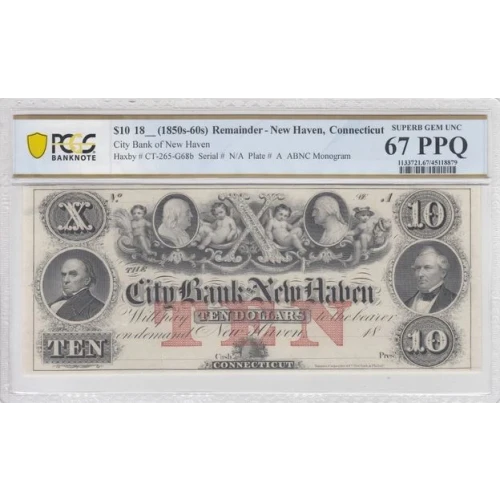
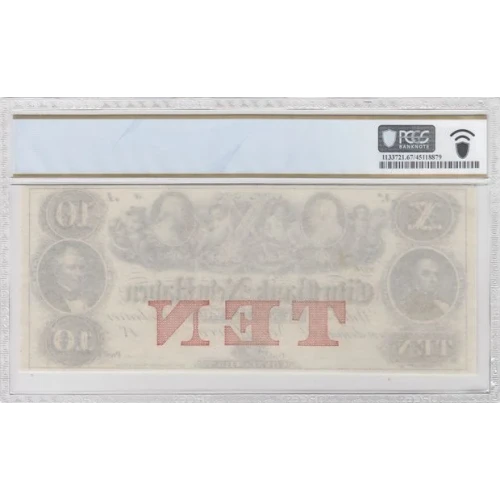
$10 1850s New Haven Connecticut Remainder
Description
$10 1850s New Haven Connecticut Remainder Collectible Paper Money
This exceptional $10 1850s New Haven Connecticut Remainder represents a fascinating piece of American numismatic history. Collectible paper money from this era offers investors and historians alike a tangible connection to the vibrant banking history of 19th-century New England. The New Haven Connecticut remainder notes are particularly sought-after by serious collectors due to their scarcity, historical significance, and beautiful design elements that showcase the craftsmanship of early American currency.
Overview of This Historic $10 Note
The $10 1850s New Haven Connecticut Remainder is an unissued or remainder note from the mid-19th century, representing currency that was never placed into circulation. These remainder notes have become increasingly rare and valuable as time passes, making them an attractive addition to any collection of United States paper money. Collectors prize these notes for their pristine condition, historical context, and the unique story they tell about Connecticut's banking heritage.
Historical Significance
New Haven, Connecticut was a thriving commercial hub during the 1850s, and local banks played a crucial role in the economic development of the region. The $10 denomination was one of the most practical and commonly produced values during this period, as it represented a substantial amount of currency suitable for significant transactions. This particular remainder note provides a window into the banking practices and financial systems of mid-19th-century Connecticut.
Key Historical Points About This Collectible Currency
- Era of Production: 1850s - A pivotal decade in American banking history before the Civil War
- Denomination: $10 - A significant value in mid-19th-century commerce
- Origin: New Haven, Connecticut - An important financial center in New England
- Note Type: Remainder note - Currency never placed into circulation
- Rarity: Increasingly scarce as original holdings continue to diminish over time
- Condition: Typically found in exceptional condition due to its unissued status
- Collectibility: High demand among serious numismatists and paper money specialists
- Historical Period: Pre-Civil War era, representing antebellum American banking
Understanding Remainder Notes
Remainder notes are bank notes that were never issued or circulated by the banking institution. These notes were typically produced but remained in storage or were eventually disposed of when a bank ceased operations or changed printers. The survival of remainder notes is particularly important to collectors because these pieces represent the original quality and design vision of the issuing bank without wear from circulation. A $10 1850s New Haven Connecticut Remainder maintains the crisp appearance and vibrant details that make 19th-century currency so visually striking.
Design and Artistic Features
Paper currency from the 1850s was renowned for its intricate engraving, detailed artwork, and sophisticated security features. The $10 New Haven Connecticut note would feature elaborate vignettes, fine line work, and bank-specific designs that reflected both artistic achievement and practical security measures. These design elements make collectible paper money from this period highly valued not only as currency but as works of art. The engraving techniques of the era required exceptional skill, and the results are evident in the clarity and complexity of authentic period notes.
Condition and Preservation
One of the significant advantages of acquiring a remainder note is the likelihood of finding it in superior condition. Since this $10 1850s New Haven Connecticut note was never handled in commerce, it typically exhibits the characteristics of original, pristine paper money. The colors remain vibrant, the printing is sharp and clear, and the paper maintains its structural integrity. For collectors seeking examples of 19th-century American currency at their finest, remainder notes offer unparalleled quality and visual appeal.
Investment and Collectibility Appeal
Collectible paper money has demonstrated consistent appreciation over decades, particularly rare and historically significant pieces like this $10 New Haven Connecticut Remainder. As original supplies become increasingly difficult to locate, values tend to appreciate. Serious collectors understand that 1850s Connecticut banking notes represent a specific moment in American economic history and are finite in number. The combination of scarcity, historical importance, and aesthetic appeal makes this note a worthwhile addition to numismatic collections.
Connecticut Banking History and Context
New Haven's banking sector was instrumental in supporting Connecticut's thriving commercial activities during the antebellum period. Banks issued their own currency, creating a diverse array of notes that represented both the aspirations and identity of local financial institutions. The $10 denomination was particularly important in local commerce, facilitating larger transactions between merchants and businesses. Understanding the role of local banks in 1850s Connecticut provides valuable context for appreciating the historical significance of this remainder note.
Why Collectors Seek 1850s Connecticut Notes
Paper money collectors are drawn to 1850s Connecticut notes for several compelling reasons. First, they represent a era before federal currency standardization, when banking was a highly localized activity with tremendous regional character. Second, the artistic quality of notes from this period is exceptional, offering visual interest and educational value. Third, Connecticut notes, and New Haven notes in particular, have a strong collector following, meaning they maintain robust market demand. Finally, the 1850s represents the twilight of state banking before the Civil War fundamentally altered American financial systems.
Rarity and Supply Considerations
The $10 1850s New Haven Connecticut Remainder is genuinely scarce. Each passing year results in the loss of additional examples through deterioration, accidental disposal, or other factors. Serious collectors understand that acquiring quality examples of 19th-century paper money becomes increasingly difficult as time progresses. This scarcity, combined with steady collector demand, supports long-term value appreciation for well-preserved examples like this remainder note.
Authentication and Expertise
Authentic 1850s Connecticut paper money requires expertise to evaluate properly. Professional graders and numismatists can assess the note's printing, paper characteristics, inking, and design elements to confirm authenticity. A $10 1850s New Haven Connecticut Remainder from a reputable dealer comes with the assurance of expert authentication, ensuring that collectors receive a genuine piece of numismatic history. Understanding the authentication process and working with knowledgeable dealers is essential when collecting rare paper money.
Display and Collection Value
Beyond investment considerations, collectible paper money like this $10 note offers significant aesthetic and educational display value. Whether framed in a collector's display case or preserved in archival-quality storage, 19th-century notes serve as beautiful reminders of American economic heritage. The superior condition of remainder notes makes them particularly suitable for display, allowing collectors to appreciate the full artistic vision of the original designers without the visual degradation of circulated notes.
Historical Connections and Stories
Each piece of 1850s paper money carries implicit historical connections to the people, places, and events of the era. A $10 New Haven Connecticut note represents the aspirations of local banks, the confidence of regional merchants, and the economic vitality of mid-19th-century New England. For collectors interested in American history, numismatics, or Connecticut heritage, these notes provide tangible artifacts that make history personal and immediate.
Conclusion
The $10 1850s New Haven Connecticut Remainder represents an exceptional opportunity to own a genuine piece of American banking history. As an unissued remainder note, it offers the superior condition, rarity, and historical significance that serious collectors seek. Whether motivated by historical interest, artistic appreciation, or investment potential, acquiring this collectible paper money from New Haven, Connecticut connects you to a vibrant chapter of American economic heritage. This note serves as both a valuable collectible and a beautiful artifact of 19th-century American craftsmanship and ingenuity.
Specifications