$2 Obsolete

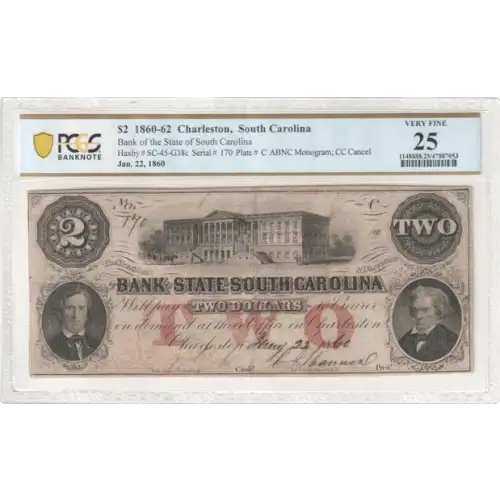
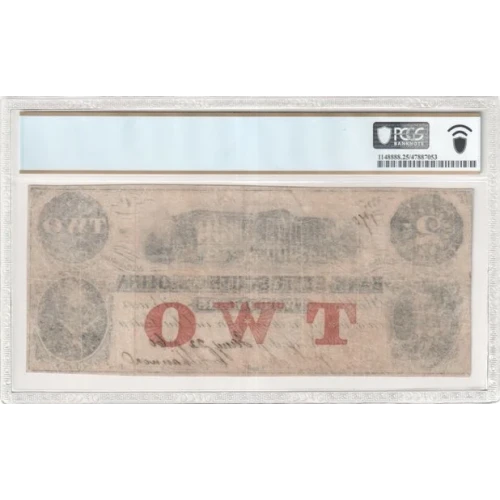
Discover the historical significance and numismatic value of this $2 Obsolete Charleston, South Carolina PCGS 25 Collectible Paper Money. This rare United States currency note represents a fascinating chapter in American banking history, featuring exceptional craftsmanship and distinctive design elements that appeal to serious collectors and history enthusiasts alike.

About This Obsolete Currency Note

Obsolete currency holds a special place in the world of numismatics, representing money issued by banks and financial institutions that no longer exist or have ceased their banking operations. This $2 Charleston, South Carolina note is a prime example of such historical paper money, offering collectors a tangible connection to 19th-century American commerce and financial systems. The PCGS grade of 25 indicates this note has been professionally authenticated and graded by the Professional Coin Grading Service, one of the most trusted certification companies in the numismatic industry.

Historical Background and Origin

Charleston, South Carolina holds tremendous historical importance in American history. As one of the most significant colonial cities and a major port on the Atlantic coast, Charleston played a crucial role in the development of American commerce, culture, and politics. The banking institutions that issued this currency were instrumental in facilitating trade, supporting local businesses, and driving economic growth throughout the Low Country region of South Carolina during the 19th century.

Key Features of Obsolete Currency

  • Denomination: $2 face value - an unusual denomination that makes this note particularly collectible and distinctive
  • Issuer: Charleston, South Carolina banking institution - representing local economic history
  • Certification: PCGS Grade 25 - professionally authenticated and graded for authenticity and condition
  • Type: Obsolete United States paper money - currency no longer in circulation
  • Rarity: Highly sought-after by collectors due to limited surviving examples and historical significance
  • Collectibility: Investment-grade piece for serious numismatists and history buffs

The Era of Obsolete Currency in America

Before the establishment of the Federal Reserve System and standardized national currency, individual banks throughout the United States were authorized to issue their own paper money. This system led to the creation of thousands of different notes, each reflecting the character, artistry, and financial standing of the issuing institution. Charleston's banking institutions took pride in producing notes with high-quality engraving and distinctive design elements that showcased local pride and civic identity.

The period during which these notes were printed saw significant economic development in Charleston and throughout South Carolina. The city's position as a major commercial hub meant that its currency notes circulated widely, making them important artifacts of the American financial system's evolution.

Printing History and Production

While the specific dates of production for this particular note are tied to Charleston's banking era, obsolete currency from this region typically dates to the mid-to-late 1800s. The exact years this $2 note was printed reflect a period of significant banking activity in Charleston, when financial institutions competed to issue notes with increasingly sophisticated designs and security features.

The printing processes used during this era required exceptional craftsmanship. Skilled engravers created detailed plates, and master printers produced notes using advanced printing technology for the time. The quality of engraving and printing on obsolete notes often surpassed modern currency production in terms of artistic detail and anti-counterfeiting measures.

Design Elements and Artistic Value

Obsolete currency notes are renowned among collectors not only for their historical significance but also for their exceptional artistic merit. The $2 Charleston note features intricate engraving work, allegorical figures, ornamental borders, and detailed vignettes that reflect the artistic standards of the era. These design elements served both practical and aesthetic purposes—they showcased the issuing bank's sophistication while also incorporating security features designed to prevent counterfeiting.

The artistry on these notes often included portraits of important historical figures, representations of local landmarks, and symbolic imagery related to commerce, agriculture, and industry. Each design element tells a story about the values, achievements, and aspirations of Charleston's business community during the 19th century.

Why Collectors Value Obsolete Currency

Serious numismatists and collectors highly value obsolete currency for multiple reasons:

  • Historical Documentation: Each note serves as a historical document, providing insights into local banking practices, economic conditions, and the financial institutions that shaped American commerce
  • Rarity and Scarcity: Many obsolete notes have become increasingly difficult to find in quality condition, making them valuable additions to any collection
  • Artistic Appreciation: The exceptional engraving and design work on obsolete notes represents a pinnacle of currency artistry that modern production cannot replicate
  • Regional Significance: Charleston notes are particularly valued by collectors interested in South Carolina history, Southern history, and colonial American commerce
  • Investment Potential: Rare obsolete notes in quality condition have demonstrated appreciation over time, making them both collectible and potentially valuable investments
  • Authenticity and Certification: PCGS certification ensures that collectors can purchase with confidence, knowing the note has been professionally verified and graded

PCGS Certification and Grading

Professional certification by PCGS is essential when collecting obsolete currency. The grade of 25 on the PCGS scale indicates this note has been carefully examined by expert numismatists and assigned a standardized grade that reflects its condition, eye appeal, and overall quality. This grading system allows collectors to understand exactly what they are purchasing and provides assurance that the note is genuine and accurately represented.

PCGS encapsulation protects the note from further deterioration while allowing for easy display and examination. The holder includes detailed information about the note's certification, making it an important reference document for future buyers and collectors.

Building Your Obsolete Currency Collection

Whether you are an experienced numismatist or a history enthusiast just beginning your collecting journey, obsolete currency offers exceptional opportunities for building a meaningful collection. This $2 Charleston note would serve as an excellent centerpiece or addition to a collection focused on:

  • South Carolina history and regional banking
  • 19th-century American currency and financial systems
  • Rare and unusual denominations
  • Engraving and currency design artistry
  • Colonial and antebellum American commerce

Investment Considerations

Beyond their collectible appeal, rare obsolete notes have demonstrated consistent value appreciation. The scarcity of well-preserved examples, combined with growing interest in numismatics and historical artifacts, has made obsolete currency an attractive investment option. A PCGS-certified $2 Charleston note represents both a collectible treasure and a tangible investment in American history.

Care and Preservation

Proper care and preservation of your obsolete currency collection is essential. The PCGS holder provides excellent protection, but collectors should store notes in a climate-controlled environment, away from direct sunlight, moisture, and excessive handling. Preserving these historical documents ensures their value and significance for future generations.

A Window into American Financial History

This $2 Obsolete Charleston, South Carolina PCGS 25 note represents far more than just currency—it is a window into a fascinating period of American financial history. It connects collectors to Charleston's prominent role in colonial and 19th-century commerce, to the skilled artisans who designed and printed the note, and to the everyday transactions that built a nation. For collectors seeking authentic historical artifacts with both aesthetic appeal and investment potential, this obsolete currency note offers an exceptional opportunity to own a significant piece of American monetary history.

Whether displayed in a collection, studied by history enthusiasts, or appreciated by those who understand the artistry and craftsmanship of historic currency, this Charleston $2 note stands as a testament to American ingenuity and the enduring appeal of numismatic collecting.

Product ID 562156
Series Year 1860-62
Country United States
Denomination $2
Grading Agency PCGS
Grade 25
Signature -
Category Obsolete Currency
Serial No 170
Status Active
Seal -
Fr / Pick # Various
Additional Info -

You must be authenticated to write reviews. Click here   to login.

There are no reviews yet. Be the first to write one!

$2 Obsolete Charleston, South Carolina PCGS 25

+

Description

Discover the historical significance and numismatic value of this $2 Obsolete Charleston, South Carolina PCGS 25 Collectible Paper Money. This rare United States currency note represents a fascinating chapter in American banking history, featuring exceptional craftsmanship and distinctive design elements that appeal to serious collectors and history enthusiasts alike.

About This Obsolete Currency Note

Obsolete currency holds a special place in the world of numismatics, representing money issued by banks and financial institutions that no longer exist or have ceased their banking operations. This $2 Charleston, South Carolina note is a prime example of such historical paper money, offering collectors a tangible connection to 19th-century American commerce and financial systems. The PCGS grade of 25 indicates this note has been professionally authenticated and graded by the Professional Coin Grading Service, one of the most trusted certification companies in the numismatic industry.

Historical Background and Origin

Charleston, South Carolina holds tremendous historical importance in American history. As one of the most significant colonial cities and a major port on the Atlantic coast, Charleston played a crucial role in the development of American commerce, culture, and politics. The banking institutions that issued this currency were instrumental in facilitating trade, supporting local businesses, and driving economic growth throughout the Low Country region of South Carolina during the 19th century.

Key Features of Obsolete Currency

  • Denomination: $2 face value - an unusual denomination that makes this note particularly collectible and distinctive
  • Issuer: Charleston, South Carolina banking institution - representing local economic history
  • Certification: PCGS Grade 25 - professionally authenticated and graded for authenticity and condition
  • Type: Obsolete United States paper money - currency no longer in circulation
  • Rarity: Highly sought-after by collectors due to limited surviving examples and historical significance
  • Collectibility: Investment-grade piece for serious numismatists and history buffs

The Era of Obsolete Currency in America

Before the establishment of the Federal Reserve System and standardized national currency, individual banks throughout the United States were authorized to issue their own paper money. This system led to the creation of thousands of different notes, each reflecting the character, artistry, and financial standing of the issuing institution. Charleston's banking institutions took pride in producing notes with high-quality engraving and distinctive design elements that showcased local pride and civic identity.

The period during which these notes were printed saw significant economic development in Charleston and throughout South Carolina. The city's position as a major commercial hub meant that its currency notes circulated widely, making them important artifacts of the American financial system's evolution.

Printing History and Production

While the specific dates of production for this particular note are tied to Charleston's banking era, obsolete currency from this region typically dates to the mid-to-late 1800s. The exact years this $2 note was printed reflect a period of significant banking activity in Charleston, when financial institutions competed to issue notes with increasingly sophisticated designs and security features.

The printing processes used during this era required exceptional craftsmanship. Skilled engravers created detailed plates, and master printers produced notes using advanced printing technology for the time. The quality of engraving and printing on obsolete notes often surpassed modern currency production in terms of artistic detail and anti-counterfeiting measures.

Design Elements and Artistic Value

Obsolete currency notes are renowned among collectors not only for their historical significance but also for their exceptional artistic merit. The $2 Charleston note features intricate engraving work, allegorical figures, ornamental borders, and detailed vignettes that reflect the artistic standards of the era. These design elements served both practical and aesthetic purposes—they showcased the issuing bank's sophistication while also incorporating security features designed to prevent counterfeiting.

The artistry on these notes often included portraits of important historical figures, representations of local landmarks, and symbolic imagery related to commerce, agriculture, and industry. Each design element tells a story about the values, achievements, and aspirations of Charleston's business community during the 19th century.

Why Collectors Value Obsolete Currency

Serious numismatists and collectors highly value obsolete currency for multiple reasons:

  • Historical Documentation: Each note serves as a historical document, providing insights into local banking practices, economic conditions, and the financial institutions that shaped American commerce
  • Rarity and Scarcity: Many obsolete notes have become increasingly difficult to find in quality condition, making them valuable additions to any collection
  • Artistic Appreciation: The exceptional engraving and design work on obsolete notes represents a pinnacle of currency artistry that modern production cannot replicate
  • Regional Significance: Charleston notes are particularly valued by collectors interested in South Carolina history, Southern history, and colonial American commerce
  • Investment Potential: Rare obsolete notes in quality condition have demonstrated appreciation over time, making them both collectible and potentially valuable investments
  • Authenticity and Certification: PCGS certification ensures that collectors can purchase with confidence, knowing the note has been professionally verified and graded

PCGS Certification and Grading

Professional certification by PCGS is essential when collecting obsolete currency. The grade of 25 on the PCGS scale indicates this note has been carefully examined by expert numismatists and assigned a standardized grade that reflects its condition, eye appeal, and overall quality. This grading system allows collectors to understand exactly what they are purchasing and provides assurance that the note is genuine and accurately represented.

PCGS encapsulation protects the note from further deterioration while allowing for easy display and examination. The holder includes detailed information about the note's certification, making it an important reference document for future buyers and collectors.

Building Your Obsolete Currency Collection

Whether you are an experienced numismatist or a history enthusiast just beginning your collecting journey, obsolete currency offers exceptional opportunities for building a meaningful collection. This $2 Charleston note would serve as an excellent centerpiece or addition to a collection focused on:

  • South Carolina history and regional banking
  • 19th-century American currency and financial systems
  • Rare and unusual denominations
  • Engraving and currency design artistry
  • Colonial and antebellum American commerce

Investment Considerations

Beyond their collectible appeal, rare obsolete notes have demonstrated consistent value appreciation. The scarcity of well-preserved examples, combined with growing interest in numismatics and historical artifacts, has made obsolete currency an attractive investment option. A PCGS-certified $2 Charleston note represents both a collectible treasure and a tangible investment in American history.

Care and Preservation

Proper care and preservation of your obsolete currency collection is essential. The PCGS holder provides excellent protection, but collectors should store notes in a climate-controlled environment, away from direct sunlight, moisture, and excessive handling. Preserving these historical documents ensures their value and significance for future generations.

A Window into American Financial History

This $2 Obsolete Charleston, South Carolina PCGS 25 note represents far more than just currency—it is a window into a fascinating period of American financial history. It connects collectors to Charleston's prominent role in colonial and 19th-century commerce, to the skilled artisans who designed and printed the note, and to the everyday transactions that built a nation. For collectors seeking authentic historical artifacts with both aesthetic appeal and investment potential, this obsolete currency note offers an exceptional opportunity to own a significant piece of American monetary history.

Whether displayed in a collection, studied by history enthusiasts, or appreciated by those who understand the artistry and craftsmanship of historic currency, this Charleston $2 note stands as a testament to American ingenuity and the enduring appeal of numismatic collecting.

Specifications

Secure Transactions
Safeguarding Your Investments/Passion in Coins, Currency, or Bullion
We Buy Estates
We buy in-whole or in-part estates in 7 a state area.
Cash for Gold
Convert unwanted jewelry to cash or bullion
Your Cart


Continue to Checkout