- Gold Au $4382.90 $30.19
- Silver Ag $65.03 $0.41
- Platinum Pt $1770.30 $34.28
- Palladium Pd $1356.00 $10.93
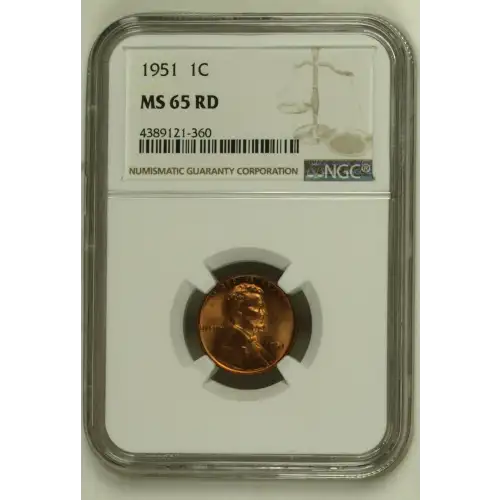
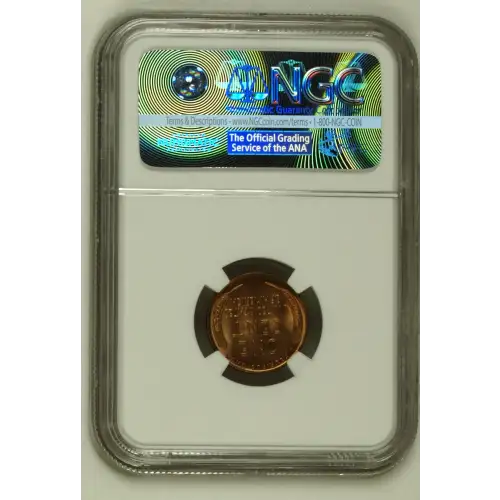
1951 Small Cents Lincoln, Wheat Ears Reverse NGC MS-65 RD
Category: Small Cents Lincoln, Wheat Ears ReverseCall us at 563.332.9189 or email us at info@qccoin.com for more information.
Description
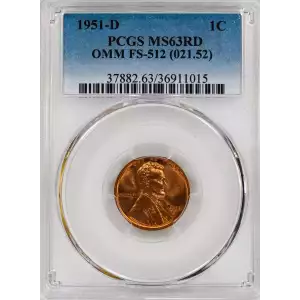
The 1951 Small Cents Lincoln, Wheat Ears Reverse NGC MS-65 RD represents a highly sought-after piece of American numismatic history. This exceptional coin, graded MS-65 Red (MS-65 RD) by the prestigious Numismatic Guaranty Company, exemplifies both the artistry and historical significance of mid-20th century United States coinage. Whether you're a seasoned collector, investment-minded buyer, or someone interested in American history, this 1951 Lincoln cent deserves serious consideration.
Product Overview
The 1951 Lincoln cent with Wheat Ears reverse is one of the most recognizable coins in American numismatic history. Minted in the post-World War II era, this particular specimen demonstrates exceptional preservation and eye appeal. The NGC MS-65 RD grade indicates that this coin has retained its original red luster, a crucial factor in determining value and desirability among collectors. The MS-65 grade signifies near-gem quality with minimal imperfections visible only under magnification.
Coin Specifications
- Year of Mint: 1951
- Denomination: One Cent (Penny)
- Design: Lincoln, Wheat Ears Reverse
- Composition: 95% Copper, 5% Zinc
- Weight: 3.11 grams
- Diameter: 19.05 millimeters
- Grading Service: NGC (Numismatic Guaranty Company)
- Grade: MS-65 RD (Mint State 65, Red)
- Mint Mark: Varies by location (Philadelphia, Denver, or San Francisco)
- Obverse Design: Profile of Abraham Lincoln facing left
- Reverse Design: Two wheat stalks flanking denomination and country of origin
- Edge: Plain
Historical Significance
The 1951 Lincoln cent occupies a unique position in American coinage history. This year falls within the golden age of the Lincoln cent series, which began in 1909 with Victor David Brenner's iconic design. The Wheat Ears reverse, which graced the Lincoln cent from 1909 through 1958, has become one of the most beloved and recognizable reverse designs in United States coinage.
The year 1951 marked a period of post-war economic growth and optimism in America. The nation was rebuilding after World War II, and the economy was booming. This prosperity was reflected in the robust mintage figures for Lincoln cents that year. However, like many coins from this era, high-grade examples with original red luster have become increasingly difficult to locate, making them more valuable to collectors.
The Lincoln Cent Series
Abraham Lincoln became the first historical figure to appear on a circulating United States coin when the Lincoln cent was introduced in 1909 to commemorate the centennial of his birth. Designer Victor David Brenner's portrait of Lincoln has become iconic, representing one of the finest examples of numismatic art ever produced. The reverse design featuring two wheat stalks symbolized America's agricultural prosperity and heritage during the early 20th century.
The Wheat Ears reverse design remained largely unchanged for nearly 50 years, making any Lincoln cent from this period part of a continuous artistic and historical narrative. The 1951 example you're considering is part of this grand tradition, carrying the artistic legacy of one of America's greatest presidents.
Understanding the NGC MS-65 RD Grade
The grade MS-65 RD is significant for several reasons. "MS" stands for "Mint State," indicating that the coin has never been in circulation and has maintained its original condition. A grade of 65 places the coin in the near-gem category, meaning it exhibits exceptional eye appeal with only minor imperfections visible under magnification.
The "RD" designation is crucial for copper coins like the 1951 Lincoln cent. This abbreviation stands for "Red," indicating that the coin has retained its original red or reddish-brown copper color. Over time, copper coins can develop a brown or dark patina. Coins that have maintained their original red luster are significantly more valuable than those that have toned to brown, as the red color is more aesthetically pleasing and demonstrates superior preservation.
Why Collectors Seek 1951 Lincoln Cents
Collectors pursue high-grade 1951 Lincoln cents for multiple reasons. First, the 1951 represents a key date within the broader Lincoln cent series, particularly in MS-65 and higher grades. Second, coins with original red luster from this era have become increasingly scarce, as many examples have succumbed to oxidation over the decades. Third, the historical context of the 1951 date holds appeal for those interested in mid-20th century American numismatics.
The 1951 small cent is also part of the type set that many serious numismatists assemble. Collectors building a complete type set of Lincoln cents often prioritize acquiring high-quality examples from the Wheat Ears period, and 1951 is a particularly desirable selection.
Composition and Physical Characteristics
The 1951 Lincoln cent is composed of 95% copper and 5% zinc, giving it the warm, distinctive copper color that collectors prize. This composition was standard for Lincoln cents during this era and contributed to the coin's natural ability to develop attractive patina over time. The coin weighs exactly 3.11 grams and measures 19.05 millimeters in diameter, dimensions that have remained consistent throughout the Lincoln cent series.
The plain edge of the cent contrasts sharply with the reeded edges found on higher-denomination U.S. coins. This design feature has been consistent throughout the cent's history and reflects the coin's place in the monetary hierarchy as a one-cent piece.
Investment and Collector Value
The 1951 Lincoln cent in MS-65 RD condition represents a solid investment piece for numismatists at all levels. High-grade examples of early-to-mid series Lincoln cents with original red luster have demonstrated stable or appreciating values over time. As these coins continue to age and existing high-grade specimens are removed from the market by long-term collectors, scarcity factors may contribute to increased demand.
Unlike bullion coins, which derive value primarily from precious metal content, the 1951 Lincoln cent's value stems from its numismatic qualities: rarity, grade, eye appeal, and historical significance. The NGC certification provides independent verification of the coin's authenticity and grade, offering collectors confidence in their purchase.
Preservation and Care
For collectors fortunate enough to acquire this specimen, proper preservation is essential. The coin's MS-65 RD grade represents exceptional preservation that should be maintained. Storage in a cool, dry environment away from fluctuating humidity is recommended. The NGC holder in which the coin is encapsulated is specifically designed to protect the coin from environmental damage while allowing visual inspection.
Collectors should never attempt to clean or alter a certified coin, as doing so would destroy its numismatic value and potentially violate the coin's certification. The beauty of acquiring an NGC-graded coin is that the professional preservation work has already been completed by experts.
Building Your Collection
The 1951 Small Cents Lincoln, Wheat Ears Reverse NGC MS-65 RD is an excellent addition to several types of collections. Whether you're focusing on complete Lincoln cent type sets, building a collection of a specific decade, or assembling examples of the Wheat Ears design, this coin fills an important role. Its high grade and original red luster make it a conversation piece that will impress fellow collectors and enhance the overall quality of any numismatic collection.
For those new to collecting, the 1951 Lincoln cent serves as an excellent introduction to United States coinage and the grading system. Its affordability compared to higher-grade rarities makes it accessible to collectors with modest budgets, while its quality appeals to experienced numismatists.
Final Thoughts
The 1951 Small Cents Lincoln, Wheat Ears Reverse NGC MS-65 RD is more than just a one-cent piece—it is a tangible connection to American history, artistry, and numismatic tradition. With its exceptional preservation, original red luster, and professional NGC certification, this coin represents an outstanding opportunity for collectors seeking quality examples of classic United States coinage. Whether you're drawn to it for historical significance, aesthetic appeal, or investment potential, this 1951 Lincoln cent deserves serious consideration as part of your collection.
Specifications