- Gold Au $4383.00 $30.19
- Silver Ag $65.03 $0.41
- Platinum Pt $1770.10 $34.11
- Palladium Pd $1356.50 $11.32
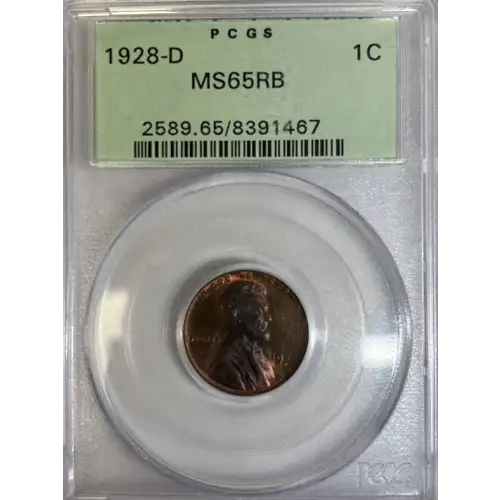
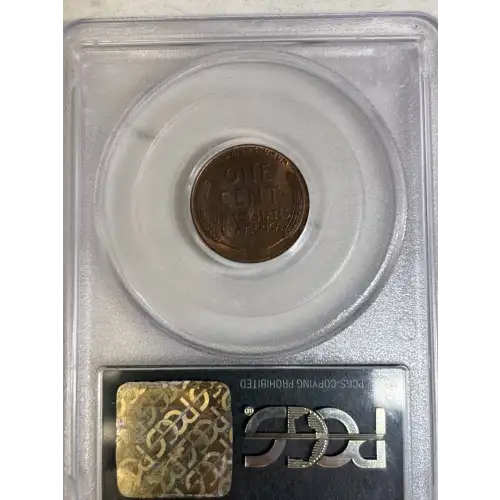
1928-D Small Cents Lincoln, Wheat Ears Reverse PCGS MS-65 RB
Category: Small Cents Lincoln, Wheat Ears ReverseCall us at 563.332.9189 or email us at info@qccoin.com for more information.
Description
1928 D Small Cents Lincoln Wheat Ears Reverse PCGS MS-65 RB
The 1928 D Small Cents Lincoln Wheat Ears Reverse represents a significant piece of American numismatic history. This exceptional specimen, graded by PCGS at MS-65 RB (Red-Brown), offers collectors a remarkable example of early 20th-century United States coinage. The 1928 Denver mint issue is particularly sought after by serious numismatists and investors alike, making this high-grade example an outstanding addition to any collection.
Historical Context of the Lincoln Wheat Cent
The Lincoln Wheat Ears Reverse cent, commonly known as the "Wheat Penny," was first introduced in 1909 to commemorate the 100th anniversary of President Abraham Lincoln's birth. This revolutionary design marked a significant departure from previous cent issues and became one of the most iconic and beloved coins in American history. The reverse design, featuring two wheat stalks, remained in use from 1909 until 1958, making the Wheat cent one of the longest-running designs in United States coinage.
Victor David Brenner, the renowned sculptor and medalist, designed both the obverse portrait of Lincoln and the reverse wheat ears design. The artistic merit and historical significance of this design contributed to its enduring popularity among collectors throughout generations.
The 1928 Minting Year: Historical Significance
The year 1928 holds particular importance in American history and numismatics. This was the final year of the "Roaring Twenties," a period of significant economic prosperity and cultural change in the United States. Produced during the height of this economic boom, coins from 1928 represent a snapshot of pre-Great Depression America. Just one year later, the stock market crash of 1929 would usher in a decade of economic hardship, making coins from 1928 particularly significant historical artifacts.
The Denver mint produced a relatively modest number of cents in 1928, with a mintage of 17,266,000 coins. While this may seem like a large number, many of these coins entered circulation and were subject to years of wear and damage. Finding examples in high grades like this MS-65 RB specimen is considerably more challenging than finding lower-grade specimens.
Denver Mint Mark Significance
The "D" mint mark indicates this penny was produced at the Denver Mint, one of the most important facilities in the United States Mint system. The Denver facility has been instrumental in producing American coinage since it began operations in 1906. Coins bearing the Denver mint mark are often distinguishable to collectors and frequently command premium prices, particularly in higher grades and scarcer years like 1928.
Understanding PCGS MS-65 RB Grade
The PCGS (Professional Coin Grading Service) grade of MS-65 RB provides important information about this coin's condition and appearance. The "MS" designation indicates Mint State, meaning the coin has never circulated and shows no wear from hand-to-hand transactions. MS-65 specifically represents a coin with exceptional eye appeal and only minor imperfections that require magnification to observe.
The "RB" notation stands for "Red-Brown," a critical designation for copper coins like the Lincoln cent. This color description indicates the coin displays a pleasing blend of original red coloring combined with natural brown toning. The presence of original red on a cent from 1928 is particularly significant, as it demonstrates that the coin has been well-preserved over its nearly century-long existence. The balance of red and brown in an MS-65 RB coin creates an aesthetically pleasing appearance that appeals to both serious collectors and investors.
Detailed Coin Specifications
- Denomination: One Cent (1¢)
- Year of Issue: 1928
- Mint of Origin: Denver Mint (marked with "D")
- Design Type: Lincoln Wheat Ears Reverse
- Obverse Designer: Victor David Brenner
- Reverse Designer: Victor David Brenner
- Metal Composition: 95% Copper, 5% Zinc
- Weight: 3.11 grams
- Diameter: 19.05 millimeters
- Edge: Plain
- Mint Production: 17,266,000 coins
- Certification Service: PCGS (Professional Coin Grading Service)
- Grade Assigned: MS-65 RB
- Color Designation: Red-Brown (RB)
- Mint State: Uncirculated
The Copper Composition and Preservation
The composition of copper and zinc used in the 1928 cent is significant to understanding its current appearance and preservation. The 95% copper content gives the coin its distinctive warm metallic hue and is responsible for the development of the patina and toning seen in older specimens. The 5% zinc alloy provides durability and prevents excessive oxidation under normal storage conditions.
The preservation of original red coloring on a copper cent over more than ninety years is a testament to proper storage and careful handling. The owner of this coin clearly understood the importance of protecting its surface from environmental exposure, chemical contamination, and excessive handling. The MS-65 RB grade reflects this commitment to preservation.
Collectibility and Investment Potential
The 1928 D cent in MS-65 RB condition is highly desirable among numismatic collectors for several reasons. First, the Denver mint mark identifies it as a coin from a specific facility, which many collectors actively seek. Second, the high grade and quality of preservation make this specimen exceptional compared to the vast majority of 1928 cents still in existence. Third, the preservation of original red coloring adds significantly to the coin's visual appeal and market value.
Collectors pursuing complete sets of Lincoln cents by year and mint mark often prioritize acquiring high-grade examples like this 1928 D specimen. The scarcity of well-preserved Wheat cents from this era makes them valuable components of serious collections. As interest in American numismatics continues to grow, the demand for key-date coins in exceptional condition remains consistently strong.
The Lincoln Cent Legacy
The Lincoln cent remains one of the most recognizable coins in American currency. From its introduction in 1909 through the modern era, the cent has played an important role in American commerce and has become deeply embedded in American culture. The phrase "an honest Abe" and references to "penny wisdom" reflect the enduring symbolic importance of Lincoln and his representation on the cent.
Wheat cents from the 1920s represent a particularly important era in American coinage history. These coins were produced during a distinctive period of American development and stand as tangible connections to the era in which they were minted. Collectors who acquire examples like this 1928 D cent are preserving important pieces of American heritage for future generations.
Why This Specimen Stands Out
This particular 1928 D Small Cents Lincoln Wheat Ears Reverse in PCGS MS-65 RB condition stands out from typical examples for several compelling reasons. The superior preservation, exceptional eye appeal, and authentication by a recognized third-party grading service make this coin a premium acquisition. Whether you are an experienced numismatist seeking to complete a collection, a history enthusiast interested in tangible artifacts from early 20th-century America, or an investor recognizing the intrinsic and collectible value of rare coins, this specimen merits serious consideration.
The combination of its historical significance, exceptional condition, and investment potential makes the 1928 D cent in MS-65 RB grade one of the most rewarding acquisitions available to collectors in the numismatic market today.
Specifications