- Gold Au $4434.70 $1.77
- Silver Ag $66.49 $0.03
- Platinum Pt $1840.50 $-0.18
- Palladium Pd $1425.00 $0.55
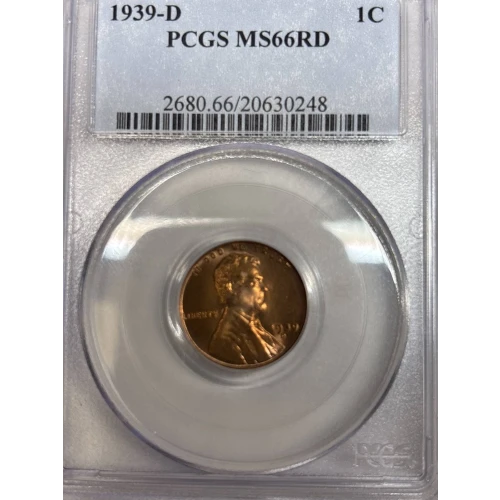
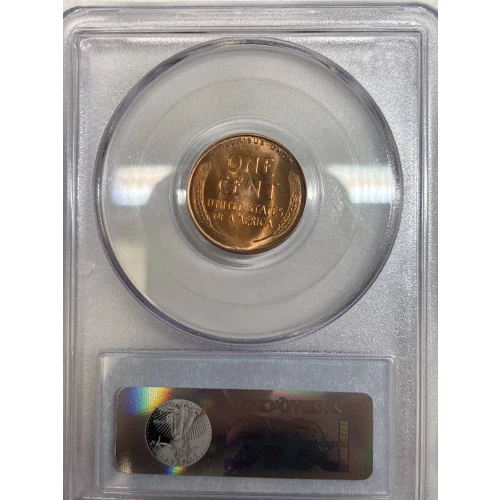
1939-D Small Cents Lincoln, Wheat Ears Reverse PCGS MS-66 RD
Category: Small Cents Lincoln, Wheat Ears ReverseDescription
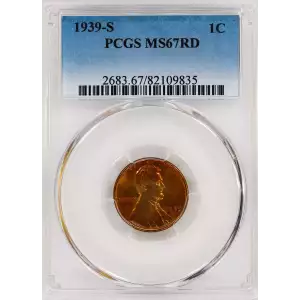
1939 D Small Cents Lincoln Wheat Ears Reverse PCGS MS-66 RD
The 1939 D Small Cents Lincoln Wheat Ears Reverse is a highly sought-after numismatic specimen that represents a significant piece of American coinage history. This exceptional example, graded PCGS MS-66 RD (Red), showcases the brilliance and luster characteristic of premium early-date Lincoln cents. Whether you're a seasoned collector or a newcomer to numismatics, this coin offers both historical significance and impressive eye appeal.
A Glimpse Into American History
The year 1939 occupies a unique position in American history, falling just as the nation emerged from the Great Depression and world tensions began to rise. The Lincoln cent, first minted in 1909 to commemorate the 100th anniversary of Abraham Lincoln's birth, had become a cornerstone of American currency. The 1939 D Small Cents represent coins minted during a period of industrial recovery and renewed optimism in the United States.
The Denver Mint, indicated by the "D" mintmark, produced this particular penny during a time when the facility was a crucial part of America's monetary system. Denver Mint coins from this era are particularly valued by collectors for their historical context and relative scarcity.
Understanding the Wheat Ears Reverse Design
The reverse design featuring wheat ears, which gave these Lincoln cents their distinctive "Wheat Ears Reverse" designation, graced American pennies from 1909 to 1958. Designed by Victor David Brenner, this iconic design symbolized America's agricultural heritage and the nation's bounty.
The wheat ears design is instantly recognizable, featuring two stalks of wheat flanking the denomination and "ONE CENT" inscription. This artistic motif connected everyday Americans to their country's agricultural roots, making it one of the most beloved designs in U.S. coinage history.
The Small Cents Classification
The term "Small Cents" refers to the standard-sized penny, which measures 19.05 millimeters in diameter. This classification distinguishes these coins from the larger "Large Cents" that were minted prior to 1857. The Small Cents series represents the majority of Lincoln cent production throughout the 20th century, making them fundamental to American numismatic collections.
Coin Specifications and Technical Details
- Year of Issue: 1939
- Mintmark: D (Denver Mint)
- Denomination: One Cent
- Obverse Design: Lincoln profile facing left, designed by Victor David Brenner
- Reverse Design: Wheat ears flanking "ONE CENT"
- Diameter: 19.05 millimeters
- Thickness: 1.52 millimeters
- Weight: 3.11 grams
- Composition: 95% Copper, 5% Zinc and Tin
- Edge: Plain
- PCGS Grade: MS-66 RD
- Certification Number: Professional grading by Numismatic Guaranty Company
Understanding the MS-66 RD Grade
The PCGS MS-66 RD grade represents an exceptionally high standard of preservation for a coin of this age. "MS" stands for Mint State, indicating that this penny has never circulated and retains the original luster from the moment it left the Denver Mint over 80 years ago.
The numerical grade of 66 on the Sheldon scale (which ranges from 1 to 70) indicates a coin that is nearly perfect in appearance. At this grade level, the coin exhibits full original mint luster, sharp detail, and only minor imperfections that are virtually imperceptible to the naked eye. MS-66 coins are considered premium examples that collectors actively seek.
The "RD" designation stands for "Red," indicating that the coin retains its original copper color with exceptional vibrancy. Over time, copper pennies often oxidize and turn brown (BN for "Brown"). Coins that retain their red color are far more scarce and desirable. The RD designation on this 1939 D Small Cents demonstrates that this particular example has been expertly preserved and maintained in exceptional condition.
Rarity and Collector Value
The 1939 D Small Cents is not considered a rare date in terms of total mintage, as the Denver Mint produced substantial quantities that year. However, finding an example in MS-66 RD condition is considerably more difficult. Most pennies from this era either circulated or were carelessly stored, leading to discoloration and damage. This particular specimen represents the top tier of preservation for its date and mintmark combination.
Collectors of early-date Lincoln cents understand that condition is paramount. A well-preserved 1939 D can command significant premiums over lower-grade examples, making this MS-66 RD specimen a particularly valuable addition to any collection.
The Denver Mint Connection
The Denver Mint, established in 1906, became one of the most prolific facilities in U.S. coinage production. Coins bearing the "D" mintmark are immediately recognizable and often preferred by collectors for their historical significance. The Denver Mint has continued operations for over a century, and early production examples like this 1939 penny are valued for their connection to the facility's rich heritage.
Investment and Collectibility
Early-date Lincoln cents in premium grades represent a tangible segment of numismatic investment. Unlike bullion coins whose value fluctuates primarily with spot precious metal prices, numismatic coins derive value from rarity, condition, historical significance, and collector demand. The 1939 D Small Cents MS-66 RD occupies an attractive position in the numismatic marketplace, being old enough to possess historical character while remaining accessible compared to rarer dates.
Display and Preservation
This coin arrives in a PCGS holder, which provides both protection and authentication verification. The archival-quality holder preserves the coin's condition and makes display straightforward. Whether you're building a Lincoln cent collection, focusing on Denver Mint coins, or assembling a date set, this coin integrates seamlessly into any serious collection.
Perfect for Collectors and Enthusiasts
Whether you're an established numismatist or exploring early-date American coinage for the first time, the 1939 D Small Cents Lincoln Wheat Ears Reverse PCGS MS-66 RD represents an opportunity to own a piece of American heritage in spectacular condition. This coin tells the story of Depression-era America through the artistry of Victor David Brenner's timeless design and the manufacturing excellence of the Denver Mint.
Don't miss the opportunity to add this exceptional numismatic specimen to your collection today.
Specifications