- Gold Au $4093.50 $2.45
- Silver Ag $59.47 $0.08
- Q Platinum1 Pt $1639.10 $3.06
- Q Palladium1 Pd $1247.00 $0.00
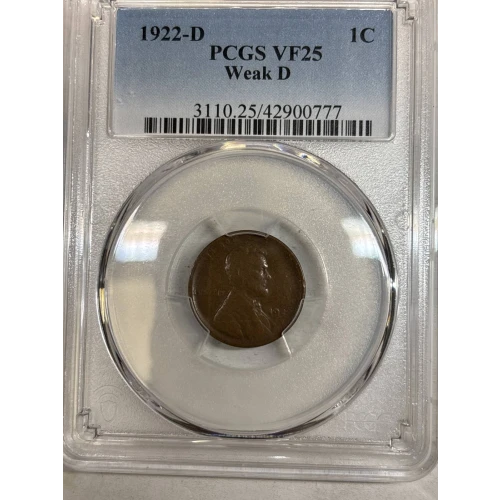
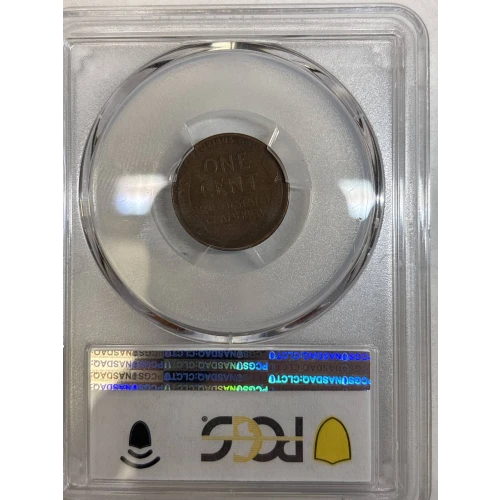
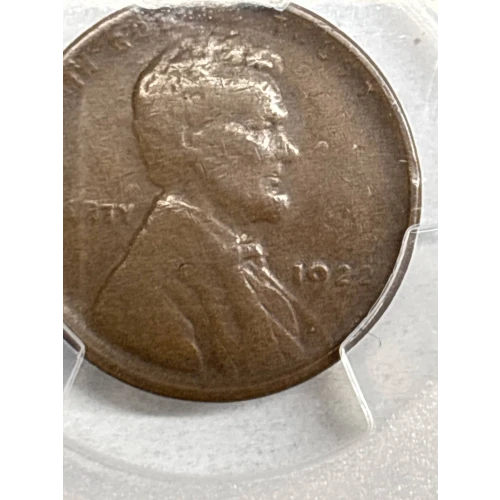
1922-D Small Cents Lincoln, Wheat Ears Reverse PCGS VF-25 BN Weak D
Category: Small Cents Lincoln, Wheat Ears ReverseDescription
1922 D Small Cents Lincoln Wheat Ears Reverse PCGS VF-25 Weak D BN
This exceptional 1922 D Small Cents Lincoln Wheat Ears Reverse coin represents a significant piece of American numismatic history. Graded by PCGS at VF-25 with a "Weak D" designation and Brown (BN) patina, this cent offers collectors an outstanding opportunity to own a key-date Lincoln cent from the early 1920s era. The 1922 Denver mint cent is particularly sought after by serious collectors due to its limited mintage and notable die varieties, making this graded example an excellent addition to any collection.
Coin Specifications and Details
- Date: 1922
- Mint Mark: D (Denver Mint)
- Denomination: One Cent (Penny)
- Type: Lincoln Wheat Ears Reverse
- PCGS Grade: VF-25 (Very Fine-25)
- Variety: Weak D
- Color Designation: BN (Brown)
- Composition: 95% Copper, 5% Zinc
- Weight: 3.11 grams
- Diameter: 19.05 millimeters
- Edge: Plain
Historical Significance of the 1922 D Lincoln Cent
The 1922 Denver mint cents hold a special place in American coin collecting history. This particular year is notable for the production of the famous 1922 D "Weak D" variety, which has become one of the most discussed and collected Lincoln cent varieties among numismatists. The weak mint mark occurred when the Denver Mint used a worn die to strike these coins, resulting in a faint or nearly imperceptible "D" mint mark on the reverse side.
The Denver Mint produced fewer Lincoln cents in 1922 compared to other mints that year, with a total mintage of 7,160,000 pieces. However, the Weak D variety represents an even smaller subset of this already limited production, making it considerably more scarce and desirable to collectors seeking a comprehensive Lincoln cent collection.
The Lincoln Wheat Ears Reverse Design
Victor David Brenner's iconic Lincoln Wheat Ears Reverse design, which adorned American one-cent pieces from 1909 to 1958, represents one of the most beloved and recognizable designs in U.S. coinage. The reverse of this coin features two stalks of wheat flanking the denomination "ONE CENT," symbolizing America's agricultural heritage and prosperity.
The obverse side displays the left-facing profile of President Abraham Lincoln, commemorating his birth and achievements. Brenner's artistic skill is evident in every detail, from the careful rendering of Lincoln's features to the elegant lettering and composition. This design era captures an important period in American history and artistry, making every example valuable to collectors and history enthusiasts alike.
Understanding the VF-25 Grade
A PCGS VF-25 (Very Fine-25) grade indicates that this coin displays excellent eye appeal with well-preserved details despite moderate circulation. At this grade level, the coin shows clear and distinct features, with most design elements remaining sharp and visible. The obverse portrait shows good definition in Lincoln's facial features and hair, while the reverse wheat ears remain clearly outlined.
The VF-25 grade represents a sweet spot for many collectors, offering substantially better eye appeal and preservation than lower grades while remaining more affordable than higher-grade examples. Coins graded at this level typically show light to moderate wear on the highest points of the design, such as Lincoln's cheekbone and the tips of the wheat ears, with the fields showing evidence of circulation.
The Weak D Variety Explained
The "Weak D" designation refers to a specific die characteristic that resulted in an exceptionally faint mint mark. During the striking process at the Denver Mint in 1922, the die punch used to create the "D" mint mark became worn or improperly positioned, resulting in many coins with an almost invisible or completely missing "D" designation.
This variety has intrigued collectors for decades, as it can be difficult to distinguish from non-mintmarked Philadelphia cents without careful examination under magnification. The Weak D variety represents a significant portion of Denver's 1922 cent production, yet it remains highly sought after due to its historical interest and the challenge of identifying genuine examples.
Brown Patina and Coloration
The BN (Brown) designation indicates that this coin displays the natural brown coloration that develops on copper coins over time. Unlike Red (RD) cents that retain their original reddish luster, or Red-Brown (RB) examples showing mixed coloration, this coin exhibits predominantly brown tones throughout.
The brown patina that develops on older copper coins is a natural result of oxidation and toning. For coins of this age and grade, brown coloration is typical and expected. Many collectors appreciate the character and historical authenticity that natural brown patina brings to vintage copper coins. The even tone visible on this example suggests proper storage and handling throughout its numismatic life.
Collecting Lincoln Cents from the 1920s
The early 1920s represent a particularly interesting period for Lincoln cent collectors. Production volumes, mint mark variations, and die characteristics all contribute to making coins from this era highly collectible. The 1922 Denver issue, especially with the Weak D variety, stands out as a key date that serious collectors actively pursue.
Building a complete Lincoln cent collection requires acquiring examples from all mints and years. The 1922 D represents one of the more challenging pieces needed for a comprehensive set, making this PCGS-graded example an excellent opportunity for collectors working toward completion of their collections or seeking quality key-date pieces.
Investment and Long-Term Value
Lincoln cents from the 1920s, particularly key dates like the 1922 D variety, have demonstrated consistent appreciation over time. As the population of these coins decreases through attrition and loss, the remaining examples continue to gain in value. PCGS certification provides assurance of grade accuracy and authenticity, factors that significantly impact long-term value retention.
Collectors and investors alike recognize the enduring appeal of early Lincoln cents. These coins represent an accessible entry point into serious numismatic collecting while offering genuine scarcity and investment potential. The combination of historical significance, design beauty, and limited availability makes early Lincoln cents a sound addition to any diversified numismatic portfolio.
Why Choose This 1922 D Lincoln Cent
- Key-date variety sought by serious collectors worldwide
- PCGS certification guarantees authenticity and grade accuracy
- VF-25 grade offers excellent balance of quality and affordability
- Weak D variety represents significant historical die variation
- Natural brown patina demonstrates age and authenticity
- Perfect addition to Lincoln cent type collections
- Investment potential with established collector demand
- Exceptional eye appeal for the assigned grade
This 1922 D Small Cents Lincoln Wheat Ears Reverse PCGS VF-25 Weak D BN coin represents an outstanding numismatic specimen that combines historical significance, collector appeal, and investment potential. Whether you're an experienced collector seeking a key-date variety or a newer enthusiast beginning your numismatic journey, this certified example offers exceptional value and the assurance that comes with professional third-party grading.
Specifications