- Gold Au $4434.70 $1.77
- Silver Ag $66.49 $0.03
- Platinum Pt $1840.50 $-0.18
- Palladium Pd $1425.00 $0.55
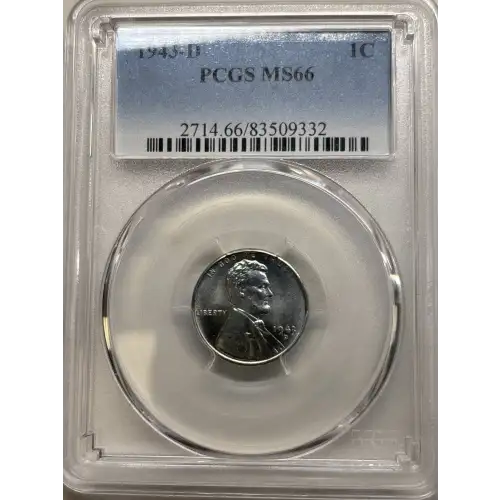
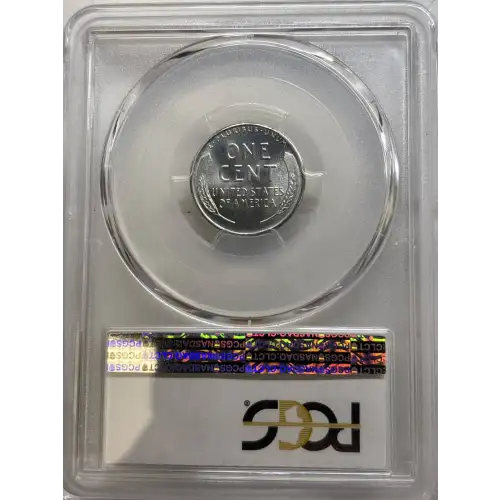
1943-D Small Cents Lincoln, Wheat Ears Reverse PCGS MS-66
Category: Small Cents Lincoln, Wheat Ears ReverseDescription
1943 D Small Cents Lincoln Wheat Ears Reverse PCGS MS-66
The 1943 D Small Cents Lincoln Wheat Ears Reverse represents a fascinating piece of American numismatic history. This expertly graded PCGS MS-66 specimen offers collectors an exceptional opportunity to own a coin from one of the most unique and historically significant years in U.S. coinage. The 1943 cent holds a special place in the hearts of collectors and history enthusiasts alike, making this PCGS MS-66 example a truly desirable addition to any collection.
Historical Significance of 1943 Cents
The year 1943 marked an extraordinary chapter in American coin production during World War II. Due to the critical need for copper to support the war effort, the United States Mint made the unprecedented decision to suspend the use of copper in cent production. Instead, the 1943 cent was struck on zinc-coated steel planchets, creating a distinctive composition that set these coins apart from all other Lincoln cents. This wartime emergency measure resulted in coins that were silver-gray in appearance rather than the traditional copper color, making them instantly recognizable to even novice collectors.
The decision to switch to zinc-coated steel was not merely a practical measure—it was a patriotic response to the nation's wartime needs. Every copper atom saved could contribute to the production of shells, wiring, and other critical military equipment. This single-year composition change has since become one of the most collected and sought-after varieties in numismatic circles, with collectors actively pursuing examples from all three mints that produced cents that year.
About the 1943-D Mint Mark
The "D" mint mark on this specimen indicates that the coin was struck at the Denver Mint facility, located in Colorado. The Denver Mint produced a significant portion of the 1943 cent coinage, and these Denver-minted examples remain popular among collectors. The placement of the mint mark, located just below the date on the obverse side of the coin, allows for easy identification of its origin.
Of the three mints that produced 1943 cents (Philadelphia, Denver, and San Francisco), the Denver Mint's production contributed substantially to the total coinage of that year. Today, 1943-D cents are widely available to collectors at reasonable prices, though high-grade examples like this PCGS MS-66 specimen command premium valuations due to their superior preservation and eye appeal.
The Lincoln Wheat Ears Reverse Design
This coin features the iconic Wheat Ears reverse design that graced American cents from 1909 through 1958. Designed by engraver Victor D. Brenner, the reverse features two stalks of wheat flanking the word "ONE CENT." This elegant design has become one of the most recognizable reverse images in United States coinage history. The wheat design was deeply symbolic, representing America's agricultural heritage and the nation's strength and prosperity.
The obverse of this coin displays the profile of President Abraham Lincoln, also designed by Victor D. Brenner. Lincoln's portrait on the cent was groundbreaking at the time, as it marked the first time a real historical figure (rather than an allegorical representation) appeared on a regularly circulating U.S. coin. The combination of Lincoln's dignified profile and the agricultural symbolism of the wheat ears creates a design that has endured in the hearts of collectors for generations.
PCGS MS-66 Grade Explanation
The PCGS MS-66 grade indicates that this coin is in Mint State condition with exceptional eye appeal. In the Sheldon grading scale, MS-66 represents a coin that is nearly perfect, with only light surface marks visible under close examination. This grade demonstrates that the coin has been extraordinarily well-preserved since it left the mint over 80 years ago. At this elevated grade level, the coin exhibits full luster, sharp strike details, and minimal imperfections.
The MS-66 designation places this specimen in the upper echelon of 1943-D cent preservation. Coins of this grade are highly sought after by both type collectors and date/mint specialists. The Professional Coin Grading Service (PCGS) holder provides third-party authentication and encapsulation in an industry-standard tamper-evident slab, offering collectors peace of mind regarding the coin's authenticity and grade.
Composition and Physical Specifications
- Year of Minting: 1943
- Mint Mark: D (Denver Mint)
- Denomination: One Cent
- Obverse Design: Profile of President Abraham Lincoln
- Reverse Design: Wheat Ears flanking "ONE CENT"
- Composition: Zinc-coated steel (97% zinc, 3% copper coating)
- Diameter: 19.05 millimeters
- Weight: Approximately 2.70 grams
- Edge: Plain
- Designer: Victor D. Brenner
- Certification: PCGS MS-66
Collector Appeal and Value
The 1943-D Small Cents Lincoln cent continues to attract collectors of all experience levels. For novice collectors, the 1943 cent serves as an excellent entry point into numismatics, offering historical significance at an affordable price point. Experienced collectors appreciate the challenge of assembling complete sets of 1943 cents from all three mints, or pursuing high-grade examples like this MS-66 specimen.
The unique composition of 1943 cents makes them instantly distinguishable in any collection. Visitors to your collection will immediately recognize the distinctive steel-gray appearance and appreciate the historical context of wartime coinage. The rarity of high-grade examples means that an MS-66 specimen represents a genuine treasure—a coin that has survived 80+ years with virtually no wear or damage.
Investment Potential
High-grade 1943 cents, particularly those graded MS-65 and above, have demonstrated consistent collector demand and stable to appreciating values over time. The MS-66 grade positions this coin at a premium level where rarity and preservation command substantial valuations. As the population of high-grade examples remains limited, coins of this caliber become increasingly difficult to locate.
Whether you're building a collection of wartime coins, assembling a complete date and mint set of Lincoln cents, or simply seeking an exceptional example of numismatic history, this 1943-D cent in PCGS MS-66 condition represents a sound and satisfying acquisition.
Perfect for Your Collection
This 1943 D Small Cents Lincoln Wheat Ears Reverse PCGS MS-66 coin is an outstanding numismatic specimen that combines historical significance, iconic design, and superior preservation. The PCGS MS-66 grade assures you of its authenticity and exceptional condition. Add this remarkable piece of World War II-era American coinage to your collection today and own a tangible piece of history from one of the most unique years in United States mint production.
Specifications