- Gold Au $4337.10 $40.70
- Silver Ag $65.09 $1.21
- Platinum Pt $1817.20 $16.44
- Palladium Pd $1354.00 $15.85
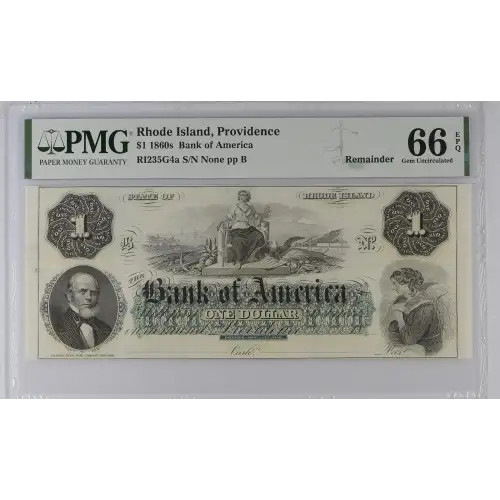
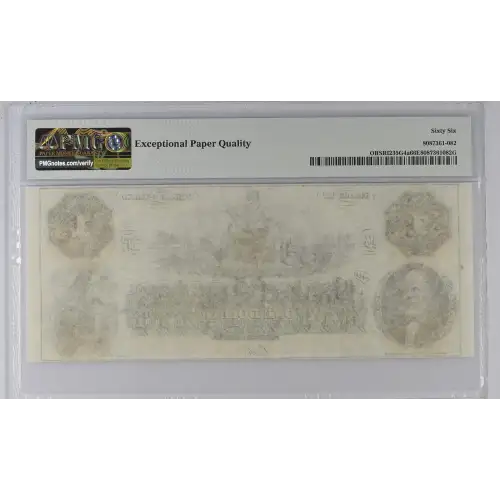
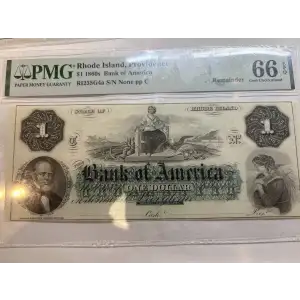
$1 Rhode Island, Providence Remainder
Description
The $1 Rhode Island Providence Remainder note represents a fascinating piece of early American currency history. This collectible paper money item offers numismatists and history enthusiasts a tangible connection to colonial and early Federal monetary systems. The $1 Rhode Island Providence Remainder is a distinctive denomination that captures the essence of regional banking during a transformative period in United States financial development.
Historical Significance
The $1 Rhode Island Providence Remainder note is an exceptional example of obsolete American currency. During the 18th and 19th centuries, individual states and private banks issued their own paper money before the establishment of a unified national currency system. The Providence remainder notes exemplify this decentralized approach to currency, reflecting the economic independence and financial autonomy of Rhode Island merchants and banking institutions.
Rhode Island played a crucial role in early American commerce and finance. Providence, as the state's most prominent commercial hub, was a natural center for banking operations and currency issuance. The $1 denomination served as an essential medium of exchange for everyday transactions, making these notes integral to the daily economic life of Rhode Island residents and trading partners throughout the region.
Production Years and Timeline
- Era of Issue: These notes were primarily issued during the late 18th and early 19th centuries
- Peak Production: Circulation peaked during the period following American independence through the pre-Civil War era
- Circulation Period: These notes remained in active use until the implementation of national banking standards and the introduction of United States currency
- Rarity Development: The passing of time and the transition to federal currency made surviving examples increasingly scarce
Key Characteristics of the Note
The $1 Rhode Island Providence Remainder note features distinctive design elements characteristic of its era. The printing quality, paper composition, and artistic elements reflect the technological capabilities and aesthetic preferences of early American banking institutions.
- Denomination: $1 (One Dollar)
- Issuing Authority: Rhode Island banking institutions, specifically Providence-based entities
- Note Type: Remainder note (unissued or leftover stock from original printing)
- Rarity Status: Collectible and increasingly difficult to find in the marketplace
- Condition Variations: Examples range from well-preserved to heavily circulated, affecting value
What Makes Remainder Notes Special
Remainder notes hold particular appeal for serious collectors. These are notes that were never actually circulated or were leftover stock from original print runs. The $1 Rhode Island Providence Remainder represents an interesting subcategory within obsolete currency collecting. Remainder notes often provide superior preservation compared to their circulated counterparts, as they were never exposed to the wear and tear of commercial exchange.
The existence of remainder notes provides numismatists with an opportunity to study the original design intent of currency designers without the obscuring effects of circulation damage. This makes these notes valuable both for their historical documentation and their aesthetic appeal.
Collecting Appeal and Investment Value
The $1 Rhode Island Providence Remainder attracts several categories of collectors: those interested in regional American history, obsolete currency specialists, Rhode Island historical society members, and general numismatists seeking examples of pre-federal American money. The combination of historical significance, scarcity, and aesthetic qualities makes this note a worthwhile addition to any serious collection.
Collectors value these notes for their tangible connection to American financial evolution. Holding a $1 Rhode Island Providence Remainder note provides a direct link to the economic transactions of early American commerce, offering insights into how money functioned in colonial and early Federal communities.
Condition and Authentication
When acquiring a $1 Rhode Island Providence Remainder note, condition is paramount. Professional grading services evaluate notes based on numerous factors including paper quality, color preservation, centering, printing clarity, and signs of handling. The remarkable preservation often found in remainder notes contributes significantly to their desirability and market value.
Authentication by reputable numismatic experts is recommended for serious collectors. Verified authenticity ensures that you're acquiring a genuine piece of American monetary history rather than a reproduction or altered specimen.
Historical Context of Rhode Island Banking
Rhode Island's banking history is particularly important to American financial development. As one of the earliest centers of commercial banking in the United States, Providence served as a hub for financial innovation and merchant activity. The $1 notes issued by Providence institutions facilitated trade, commerce, and everyday transactions that powered the early American economy.
The transition from state-issued currency to federal money marked a watershed moment in American history. The $1 Rhode Island Providence Remainder represents the end of an era when local and regional banks maintained the authority to issue their own currency denominations.
Why Invest in Obsolete Currency
Obsolete currency collecting has gained increasing recognition among numismatists and historians. These notes offer educational value, aesthetic appeal, and historical documentation that traditional currency cannot match. The $1 Rhode Island Providence Remainder is particularly significant because it represents a specific geographic and temporal point in American financial history.
- Educational value regarding early American banking practices
- Tangible historical artifacts with documented provenance
- Aesthetic qualities of period design and printing techniques
- Scarcity that increases value as surviving examples diminish
- Regional significance for Rhode Island history enthusiasts
- Portfolio diversification through alternative collectibles
Care and Preservation
Proper care of your $1 Rhode Island Providence Remainder note ensures preservation for future enjoyment and collection value. These historical documents require protection from environmental factors including humidity fluctuations, direct sunlight, and temperature extremes. Storage in archival-quality holders, away from acidic materials and reactive substances, maintains the note's integrity over time.
Professional conservation should be considered only when absolutely necessary and only by qualified experts, as improper restoration can diminish both historical authenticity and monetary value.
Building Your Obsolete Currency Collection
The $1 Rhode Island Providence Remainder serves as an excellent entry point or valuable addition to an obsolete currency collection. Whether you're focusing on New England banking history, early American finance, or general numismatic collecting, this note offers genuine historical significance combined with relative accessibility compared to some rarer alternatives.
Collectors often organize their obsolete currency by state, denomination, bank, or historical period. The Rhode Island Providence remainder fits naturally into several organizational frameworks, making it a versatile addition to developing collections.
Conclusion
The $1 Rhode Island Providence Remainder collectible paper money represents more than simply an alternative to modern currency. It embodies the independent financial spirit of early America, the commercial importance of Rhode Island's historic port cities, and the remarkable transition from decentralized banking to national monetary systems. For collectors, historians, and those interested in American numismatic heritage, this note offers an extraordinary connection to the nation's financial past.
Specifications
Related products