- Gold Au $4337.10 $40.70
- Silver Ag $65.09 $1.21
- Platinum Pt $1817.20 $16.44
- Palladium Pd $1354.00 $15.85
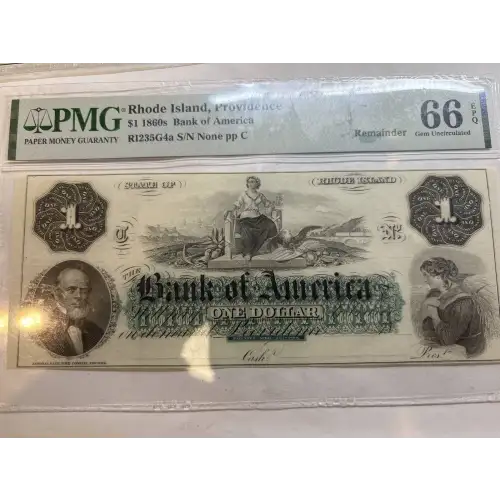
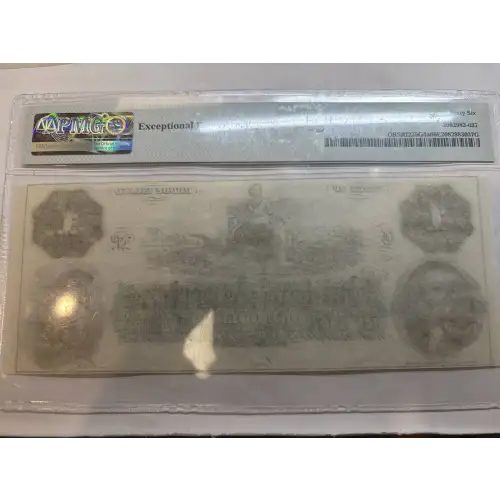
$1 Rhode Island, Providence Obsolete Remainder
Description
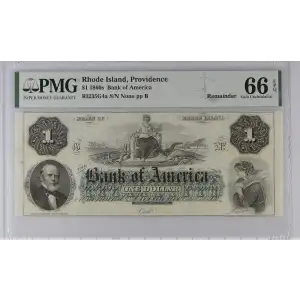
$1 1860 Rhode Island, Providence Remainder Collectible Paper Money
Discover an exceptional piece of American monetary history with this $1 1860 Rhode Island, Providence Remainder collectible paper money. This rare note represents a fascinating chapter in the United States' banking heritage, specifically from the era of private bank note issuance that predated the establishment of the Federal Reserve System. Whether you're an experienced numismatist or a beginning collector of vintage currency, this Rhode Island obsolete bank note offers significant historical value and aesthetic appeal.
About This Historic Currency
This $1 bill originates from the Providence banking system of Rhode Island during the mid-19th century. The "Remainder" designation indicates that this note was never issued into regular circulation but was instead retained from the original printing. Remainder notes are particularly sought after by collectors because they represent pristine examples of the original currency design and printing, often preserved in remarkably well-kept condition compared to notes that saw actual circulation.
Historical Context and Significance
The year 1860 marks a pivotal moment in American banking history. This was during the height of the private bank note era in the United States, when individual banks had the authority to issue their own currency. Before the establishment of a unified national currency system, hundreds of state-chartered banks across America, including those in Rhode Island, printed their own denominated bills. These notes were backed by the reputation and assets of the individual banking institutions that issued them, making them inherently risky and creating a complex monetary landscape for American commerce.
Rhode Island, as one of the original thirteen states and a significant commercial hub of New England, had a vibrant banking community. Providence, the state capital, was home to numerous financial institutions that contributed to the state's economic prominence during this era.
The Era of Obsolete Bank Notes (1800s-1860s)
- Private Banking Dominance: During this period, private banks had the authority to issue their own currency notes, leading to thousands of different bill designs circulating throughout the United States.
- Security Features: Banks incorporated ornate designs, intricate engravings, and various anti-counterfeiting measures to protect their notes from forgery, creating visually stunning currency specimens.
- Regional Variation: Each state's banking system produced unique notes, making them highly collectible as representations of regional American commerce and design artistry.
- Pre-Federal Currency: These notes existed before the National Currency Act of 1863 and the subsequent establishment of nationally-standardized Federal Reserve notes in 1913.
About "Remainder" Notes
Remainder notes occupy a special position in the collectible currency market. Unlike notes that circulated in the hands of merchants and consumers, remainders represent inventory that banks retained but never put into circulation. This unique status means that remainder notes often display exceptional preservation characteristics. The paper maintains its original color and texture, inks remain vibrant, and the overall appearance is frequently superior to circulated examples of the same note.
When banks ceased operations or updated their currency designs, remainder notes were sometimes sold at reduced prices to collectors and speculators. Other times, banks held onto these notes as emergency reserves or simply discarded them. The fact that this particular $1 note survived to the present day makes it a remarkable artifact of 19th-century American commerce.
Key Details About This Note
- Denomination: $1 (One Dollar)
- Origin: Providence, Rhode Island
- Year Printed: 1860
- Type: Obsolete Bank Note / Remainder Note
- Period: Pre-Civil War / Antebellum Era
- Rarity: Remainder notes are scarcer than circulated notes, with limited quantities surviving to present day
- Collectibility: High appeal to numismatists, American history collectors, and antiquarian dealers
Historical Printing Information
The 1860 production year places this note at a critical juncture in American history. The nation was on the verge of the Civil War, which would dramatically reshape the American financial system. Just three years after this note was printed, the National Currency Act of 1863 would fundamentally alter the landscape of American currency by establishing a national banking system and eventually phasing out private bank note issuance.
Rhode Island's banking institutions were among the most reputable in the nation, and the quality of their currency production reflected this standing. The engraving, printing, and paper quality of this $1 note demonstrate the sophisticated printing techniques available in the 1860s.
Why Collect Obsolete Bank Notes?
Historical Documentation: Obsolete bank notes provide tangible evidence of how American commerce functioned in the 19th century. They tell stories about regional economies, banking institutions, and monetary systems that no longer exist.
Artistic Value: The designs featured on these notes showcase exceptional engraving artistry and printing craftsmanship. Many notes feature intricate vignettes, classical imagery, and decorative elements that rival fine art.
Rarity and Scarcity: Many obsolete notes were destroyed over time through normal circulation wear, bank failures, or deliberate destruction. Survivor specimens, particularly remainders in excellent condition, become increasingly scarce with each passing year.
Investment Potential: As the supply of well-preserved examples diminishes, demand from collectors continues to grow, creating favorable market conditions for quality specimens.
Educational Value: These notes serve as educational tools for understanding American history, banking evolution, and the development of the modern Federal Reserve System.
Condition and Preservation
As a remainder note, this specimen has never circulated in everyday commerce, which typically results in superior preservation compared to notes that were actively used in banking transactions. Remainder notes often exhibit minimal wear, vibrant ink colors, and excellent paper quality. The preservation of this note makes it an ideal addition to a collection of American currency history.
Proper storage and handling are essential for maintaining the value and condition of this rare piece of currency. Collectors are advised to store obsolete bank notes in acid-free holders, away from direct sunlight, excessive heat, and humidity fluctuations.
Perfect for Multiple Collecting Interests
This Rhode Island $1 note appeals to collectors with varied interests:
- Numismatists: Serious currency collectors seeking rare and obsolete examples
- Regional History Enthusiasts: Those interested in Rhode Island and New England's banking heritage
- American History Buffs: Collectors focused on pre-Civil War America and the evolution of the financial system
- Antiquarian Dealers: Those seeking authentic period artifacts for display or resale
- Investment Collectors: Investors seeking alternative collectibles with historical significance and potential appreciation
The Legacy of American Bank Notes
The transition from private bank note issuance to the Federal Reserve System represents one of the most significant transformations in American financial history. Notes like this 1860 Rhode Island $1 bill serve as physical reminders of this bygone era. They represent a period when American commerce was decentralized, with each region and banking institution maintaining its own monetary authority.
Today, collectors treasure these obsolete notes as windows into the past, each one telling a unique story about American ingenuity, regional pride, and the evolution of financial institutions. The artistic beauty, historical significance, and scarcity of these notes ensure their continued appeal to collectors worldwide.
Investment Potential and Value
Obsolete bank notes have demonstrated consistent appreciation in the collectible market over the past several decades. Several factors contribute to their value appreciation:
- Decreasing supply as notes are lost, destroyed, or removed from the market
- Increasing collector demand as awareness of these historical artifacts grows
- Recognition of their importance in American monetary and banking history
- The aesthetic and artistic value of the designs
- The scarcity premium applied to remainder notes versus circulated specimens
A Tangible Piece of American Heritage
Acquiring this $1 1860 Rhode Island, Providence Remainder note means owning a tangible artifact from a transformative period in American history. This note existed during the era of rapid industrial expansion, westward development, and mounting sectional tensions that would soon lead to the Civil War. It represents the financial systems that powered American commerce during this critical era.
Whether displayed in a curated collection, appreciated for its historical significance, or preserved as an investment, this remainder note offers exceptional value to collectors and history enthusiasts. The combination of rarity, historical importance, artistic merit, and excellent preservation makes this an outstanding example of 19th-century American currency.
Conclusion
This $1 1860 Rhode Island, Providence Remainder collectible paper money represents a unique opportunity to own a piece of American financial and cultural heritage. As a remainder note from the obsolete bank note era, it offers superior condition, historical significance, and collectible appeal. Whether you're seeking to expand an existing currency collection, invest in rare American artifacts, or acquire a tangible connection to 19th-century American commerce, this Rhode Island bank note is an exceptional choice.
Specifications
Related products