- Gold Au $3942.90 $63.78
- Silver Ag $50.80 $1.43
- Platinum Pt $1468.70 $13.25
- Palladium Pd $1002.00 $-17.90
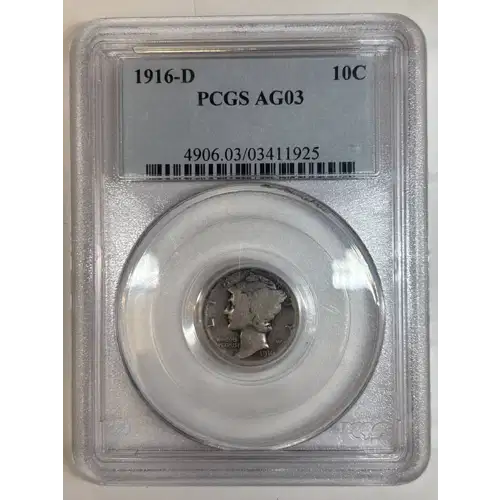
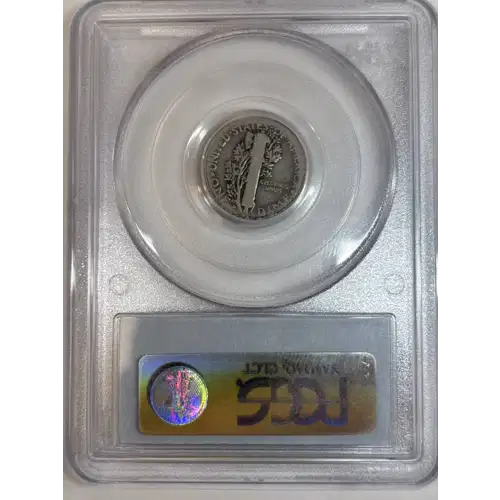
1916-D Dimes Winged Liberty Head or Mercury PCGS AG-3
Category: Dimes Winged Liberty Head or MercuryDescription
The 1916 D Dimes Winged Liberty Head, commonly known as the Mercury Dime, represents one of the most iconic and historically significant coins in United States numismatic history. This particular example, graded AG-3 by PCGS (Professional Coin Grading Service), offers collectors and enthusiasts a tangible connection to early 20th-century American coinage. The 1916 D Mercury Dime is especially notable as one of the first-year issues of this beloved series, making it a highly sought-after addition to any collection.
Historical Significance of the Mercury Dime
The Mercury Dime series, officially known as the Winged Liberty Head Dime, was minted from 1916 to 1945. Designed by the renowned sculptor Adolph A. Weinman, this coin marked a significant departure from previous American dime designs. The obverse features Lady Liberty in profile, adorned with a winged cap—a symbol often mistakenly identified as the Roman god Mercury, though the design actually represents Liberty itself. The reverse showcases a fasces, an ancient Roman symbol representing strength and unity, alongside an olive branch symbolizing peace.
The introduction of the Mercury Dime came during a period of artistic renaissance in American coinage, initiated by President Theodore Roosevelt's desire to elevate the aesthetic quality of U.S. currency. This artistic movement resulted in some of the most beautiful and enduring coin designs in American numismatic history.
The Denver Mint and the 1916 D Variety
The "D" mintmark on this dime indicates that it was struck at the Denver Mint, one of the principal minting facilities of the United States. The Denver Mint, established in 1906, played a crucial role in producing coins for circulation throughout the western United States. The 1916 D Mercury Dime is particularly significant because 1916 marked the first year of production for this iconic design at the Denver facility.
First-year issues hold special appeal for collectors due to their historical importance and relative scarcity compared to later mintings. The 1916 D dimes saw a moderate mintage of 264,000 pieces, making them less common than some other years in the series, particularly in higher grades.
Understanding the AG-3 Grade
The PCGS grade of AG-3, or "About Good-3," indicates that this coin shows significant signs of wear consistent with extensive circulation. In the AG-3 grade, the major design elements are still visible and identifiable, but surface wear has considerably diminished the coin's sharpness and detail. The rim may be partially worn, and many of the finer design details will be significantly reduced or nearly absent.
For collectors interested in early Mercury Dimes, an AG-3 example offers an affordable entry point into this desirable series while still maintaining enough visible detail to appreciate Weinman's artistic vision. This grade level makes the coin suitable for type sets, date sets, or collections focused on early 20th-century American coinage history.
Physical Specifications and Composition
- Denomination: 10 Cents (Dime)
- Year of Issue: 1916
- Mintmark: D (Denver Mint)
- Designer: Adolph A. Weinman
- Metal Composition: 90% Silver, 10% Copper
- Gross Weight: 2.50 grams
- Diameter: 17.91 millimeters
- Thickness: Approximately 1.35 millimeters
- Edge: Reeded
- PCGS Grade: AG-3
- Mintage (1916 D): 264,000 pieces
Obverse Design Details
The obverse of the Mercury Dime displays Liberty's left-facing profile, identifiable by the distinctive winged cap known as a "liberty cap." This imagery draws from classical artistic traditions, emphasizing the connection between American liberty and the freedoms of ancient democracies. Below the bust, Weinman's monogram "AW" appears, authenticating the design. The year of mintage, "1916," is positioned to the right of the profile, while "LIBERTY" curves along the upper left portion of the coin.
The detailed rendering of Liberty's features showcases Weinman's exceptional artistic skill. Despite the wear visible on an AG-3 specimen, the general contours of the face and the distinctive winged cap remain recognizable, allowing collectors to appreciate the elegance of this design even in circulated condition.
Reverse Design and Symbolism
The reverse side features one of the most distinctive designs in American coinage. The central motif is a fasces—a bundle of rods bound together with an axe blade, derived from ancient Roman imagery. This symbol represents authority, strength, and the unified power of the nation. To the right of the fasces stands an olive branch, symbolizing peace and prosperity. This juxtaposition of military strength and peaceful intent reflected the ideals of American governance during the early 20th century.
"ONE DIME" appears prominently on the reverse, along with "UNITED STATES OF AMERICA" and "E PLURIBUS UNUM" (from many, one). The reeded edge of the coin, a security feature dating back to the days when coins were made of precious metals, adds to the authenticity and appeal of this numismatic treasure.
Silver Content and Collector Value
Mercury Dimes, including this 1916 D example, contain 90% silver—a composition used for U.S. dimes, quarters, and half dollars from 1892 through 1964. This high silver content makes Mercury Dimes attractive not only to numismatists but also to precious metals investors who appreciate the intrinsic value of these coins. A single Mercury Dime contains approximately 0.0723 troy ounces of pure silver.
The 1916 D Mercury Dime, even in AG-3 condition, represents a tangible investment combining numismatic and bullion value. As vintage U.S. silver coins become increasingly scarce in circulation, these pieces appreciate steadily in value.
Collectibility and Market Appeal
The 1916 D Mercury Dime holds considerable appeal for multiple collector categories. Type collectors seek examples of the Mercury Dime design, and the 1916 represents the inaugural year of the series. Date and mintmark collectors pursue complete sets of Mercury Dimes by year and mint, making first-year Denver Mint issues particularly desirable. Vintage U.S. silver coin enthusiasts value these pieces for their historical significance and precious metal content.
The AG-3 grade strikes an excellent balance between affordability and collectibility. While higher grades command significant premiums, this AG-3 specimen offers genuine historical value at an accessible price point. The coin remains a legitimate artifact of American monetary history, bearing the marks of decades of genuine circulation.
Preservation and Handling
Proper care of vintage silver coins extends their longevity and maintains their collector appeal. This 1916 D Mercury Dime should be stored in acid-free holders, away from moisture and harsh environmental conditions. Direct handling should be minimized, and the coin should never be cleaned or polished, as these practices dramatically reduce numismatic value.
PCGS certification provides assurance of authenticity and grade consistency, offering peace of mind to collectors. The slab holding and grading this coin serves as both a protective measure and a guarantee of its condition and legitimacy.
Investment Potential
The 1916 D Mercury Dime represents a compelling investment vehicle for collectors and precious metals enthusiasts. The combination of early-year scarcity, Denver Mint production, historical significance, and 90% silver composition creates multiple avenues of value appreciation. As precious metals prices fluctuate and numismatic demand continues, early-date, lower-mintage Mercury Dimes tend to appreciate steadily.
Whether you're building a complete Mercury Dime collection, assembling a type set of U.S. coins, or seeking to diversify your precious metals holdings with historically significant vintage coins, the 1916 D Mercury Dime in AG-3 condition offers authentic numismatic value and enduring appeal.
Conclusion
The 1916 D Dimes Winged Liberty Head Mercury PCGS AG-3 represents far more than a simple piece of currency. It embodies nearly a century of American history, showcases exceptional artistic design, and contains genuine precious metal value. This coin connects collectors directly to the early 20th century, a transformative period in American history. Whether pursued for its numismatic significance, historical importance, or silver content, the 1916 D Mercury Dime remains a timeless classic in American coinage and an excellent addition to any serious collection.
Specifications
Related products