- Gold Au $4157.60 $-2.91
- Silver Ag $60.61 $-0.02
- Platinum Pt $1724.50 $-2.03
- Palladium Pd $1243.50 $0.48
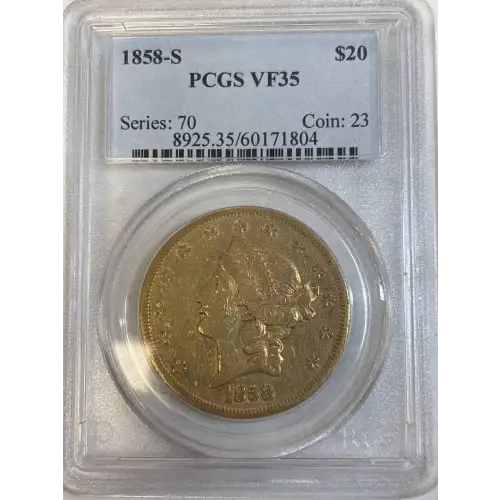
1858-S Double Eagles Liberty Head PCGS VF-35
Category: Double Eagles Liberty HeadDescription
1858-S Double Eagle Liberty Head Gold Coin - PCGS VF-35
The 1858-S Double Eagle represents a significant piece of American numismatic history, combining the prestige of the iconic Liberty Head design with the historical importance of San Francisco mint production during the California Gold Rush era. This particular example has been graded by PCGS (Professional Coin Grading Service) at VF-35 (Very Fine 35), making it an accessible entry point for collectors interested in early U.S. gold coinage.
Historical Significance of the 1858-S Double Eagle
The year 1858 represents a fascinating period in American numismatic history. The California Gold Rush, which began in 1848, had fundamentally transformed the nation's economy and prompted the establishment of the San Francisco Mint in 1854. The "S" mint mark on this Double Eagle indicates it was produced at the San Francisco facility, making it a direct product of the Gold Rush era.
Double Eagles, also known as twenty-dollar gold pieces, were first minted in 1850 and quickly became essential to commerce in the rapidly expanding western territories. The 1858-S represents the early years of San Francisco mint production, when the facility was still establishing itself as a major coining center for the nation's burgeoning gold supply.
The Liberty Head Design
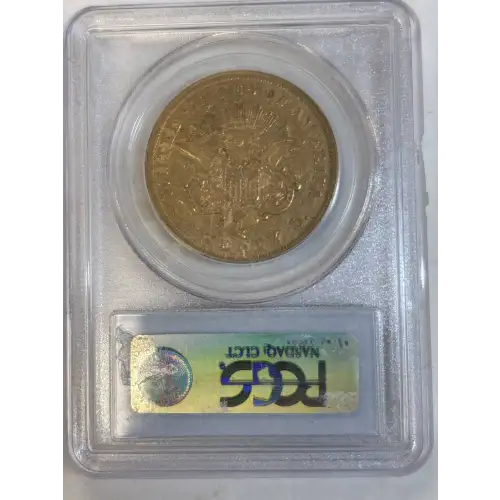
Designed by renowned engraver James B. Longacre, the Liberty Head Double Eagle features one of the most recognizable and beloved designs in American numismatic history. The obverse displays a left-facing portrait of Liberty with her hair flowing freely, symbolizing the freedom and ideals of the young American nation. The reverse showcases an eagle with outstretched wings, holding an olive branch and arrows, surrounded by a shield on its chest.
This classic design was minted from 1850 through 1865, and again from 1877 through 1907, when it was replaced by Augustus Saint-Gaudens' Art Nouveau masterpiece. The Liberty Head design period is highly sought by collectors for its historical importance and aesthetic appeal.
Coin Specifications and Details
- Denomination: Twenty Dollars ($20)
- Year of Mintage: 1858
- Mint Mark: S (San Francisco Mint)
- Design Type: Liberty Head (Longacre Design)
- Obverse Designer: James B. Longacre
- Metal Composition: 90% Gold, 10% Copper
- Gross Weight: 33.436 grams (approximately)
- Diameter: 34.0 millimeters
- Thickness: 2.4 millimeters
- Actual Gold Content: Approximately 0.9675 troy ounces of pure gold
- PCGS Grade: VF-35 (Very Fine 35)
- Certification: Professional Coin Grading Service (PCGS)
Understanding the VF-35 Grade
The PCGS grade of VF-35 indicates that this coin is in Very Fine condition. This grading designation means the coin displays moderate to significant wear from circulation, yet retains considerable detail in both the portrait and reverse design elements. At the VF-35 level, major design features remain well-defined, and the coin shows character and history from its years in commerce.
For collectors seeking authentic historical gold coins that demonstrate real circulation wear rather than pristine cabinet specimens, a VF-35 grade offers excellent value. The coin tells the story of its use in the American economy while maintaining sufficient detail to appreciate the artistry of Longacre's design.
Investment and Collector Appeal
The 1858-S Double Eagle holds appeal for multiple categories of collectors and investors. Numismatists appreciate its connection to the Gold Rush era and the establishment of the San Francisco Mint. Gold investors value the coin's substantial precious metal content—nearly one full troy ounce of pure gold. Meanwhile, history enthusiasts treasure coins from this formative period in American westward expansion and economic development.
As a U.S.-minted gold coin from the 19th century, the 1858-S Double Eagle carries both numismatic and intrinsic metal value. The combination of historical significance, gold content, and collectible status makes these coins sought after in the precious metals market.
The San Francisco Mint in 1858
The San Francisco Mint, established in response to the vast quantities of gold flowing from California's mines, played a crucial role in circulating currency throughout the western United States. In 1858, the mint was in its fourth year of operation and had already become essential infrastructure for converting raw gold into standardized coinage.
Production numbers for the 1858-S Double Eagle were significant—the mint struck over 211,000 pieces that year. However, like most coins from this era, many examples were melted down over the decades, either during the Civil War era when gold was at a premium, or during subsequent economic upheavals. This reduction in surviving examples has contributed to the numismatic value of 1858-S Double Eagles that remain in collector hands today.
Preservation and Authentication
This coin's PCGS certification provides professional authentication and a transparent grading assessment. The PCGS holder protects the coin from handling and environmental damage while providing a permanent record of its certified grade. For serious collectors and investors, this third-party grading and encapsulation by a recognized authority adds confidence and liquidity to the acquisition.
The plastic holder used by PCGS is specifically designed to be inert and archival-safe, ensuring that the coin remains protected without degradation of the metal. The certification label includes security features that help prevent counterfeiting and provides detailed specifications of the coin.
Why Choose the 1858-S Double Eagle?
Collectors and investors choose 1858-S Double Eagles for numerous compelling reasons. The coin represents a direct tangible connection to American history during one of the nation's most transformative periods. The Liberty Head design is unquestionably one of the most beautiful designs ever produced by the U.S. Mint. The combination of numismatic value, historical significance, and precious metal content makes these coins versatile holdings.
Whether you're building a collection of Liberty Head Double Eagles, seeking exposure to 19th-century U.S. gold coinage, or looking to diversify with historically significant precious metals, the 1858-S represents an excellent option. The VF-35 grade offers authentic historical character at an accessible price point compared to higher grades.
Collecting Liberty Head Double Eagles
The Liberty Head Double Eagle series (1850-1865 and 1877-1907) offers collectors multiple avenues for specialization. Some collectors focus on mint marks, attempting to gather examples from Philadelphia, San Francisco, Carson City, and New Orleans. Others focus on date runs, seeking to build a continuous series across the design type's production years. Still others concentrate on grade ranges, seeking the finest remaining examples or more affordable intermediate grades.
The 1858-S fits nicely into any of these collecting approaches and serves as an excellent representative example of early San Francisco mint production. Its historical significance and moderate price point make it accessible to collectors at various levels of experience and investment capacity.
Gold Content and Intrinsic Value
Beyond its numismatic interest, the 1858-S Double Eagle contains approximately 0.9675 troy ounces of pure gold. This substantial precious metal content provides a baseline value independent of numismatic considerations. As a U.S.-minted gold coin with confirmed weight and purity, it represents a recognized and liquid form of gold bullion, even before considering its collectible premium.
The historical and artistic value of the Liberty Head design typically commands a significant numismatic premium above the coin's melt value, reflecting the preferences of collectors and the relative rarity of surviving examples in various grades.
Conclusion
The 1858-S Double Eagle Liberty Head in PCGS VF-35 represents an outstanding opportunity to own a piece of American history. This coin embodies the optimism and prosperity of the Gold Rush era, carries exceptional artistic merit through Longacre's iconic Liberty Head design, and contains nearly a full troy ounce of pure gold. Whether your interest in this coin stems from historical passion, numismatic collecting, or precious metals investment, the 1858-S Double Eagle deserves serious consideration. Its VF-35 grade provides authentic character and excellent value, making it an accessible entry point into the world of rare and early U.S. gold coinage.
Specifications
Related products