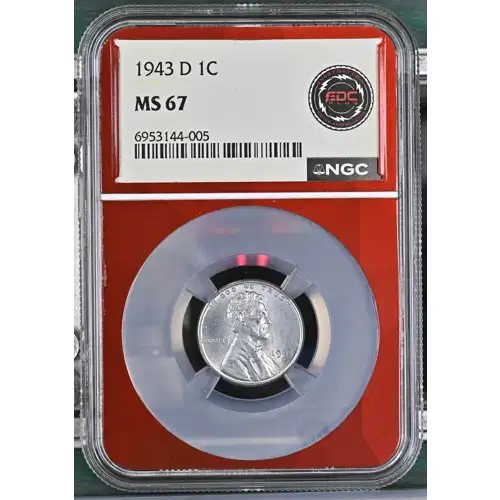
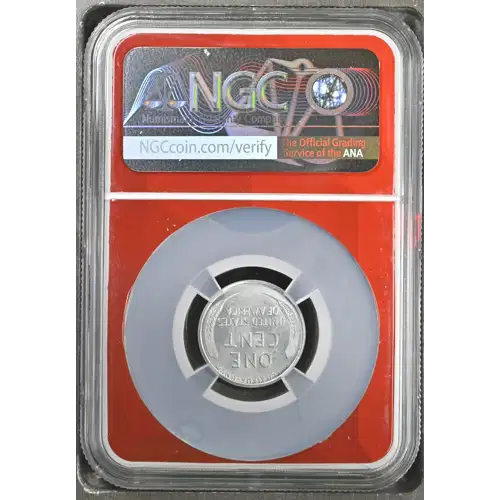
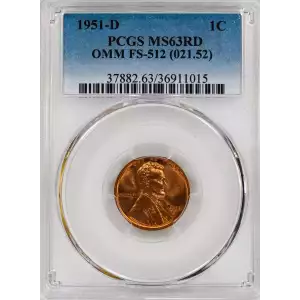
1943-D Small Cents Lincoln, Wheat Ears Reverse NGC MS-67

The 1943 D Small Cents Lincoln Wheat Ears Reverse NGC MS-67 represents a fascinating piece of American numismatic history. This exceptional coin from the Denver Mint captures a pivotal moment in U.S. coinage during World War II, when the nation faced unprecedented challenges in metal availability. The NGC MS-67 certification ensures that this specimen maintains museum-quality condition, making it a highly desirable addition to any serious coin collection.

Historical Significance

The year 1943 marks one of the most distinctive periods in Lincoln cent production. With copper reserves diverted to the war effort, the U.S. Mint made the controversial decision to produce one-cent pieces from zinc-coated steel. This dramatic departure from traditional copper composition resulted in coins that were noticeably different in appearance and durability compared to their predecessors. The 1943 D penny became instantly recognizable by its silvery appearance and relative fragility compared to earlier Lincoln cents.

Denver Mint coins from this era are particularly noteworthy because the "D" mintmark represents production from the Denver facility, one of three locations producing 1943 cents alongside Philadelphia and San Francisco. The Denver Mint's contribution to wartime coinage production was substantial, and these coins have become important historical artifacts that collectors actively seek.

The Steel Cent Initiative

During the early 1940s, as America mobilized its resources for World War II, copper became a critical strategic material. The Mint's decision to switch to zinc-coated steel for penny production was both practical and temporary. While the initiative successfully freed copper for military applications, the steel cents proved problematic in circulation. They were easily confused with other coins, damaged vending machines, and corroded more readily than traditional copper cents. This experimental period lasted only one year for 1943, making these coins historically important examples of American ingenuity during wartime.

Rarity and Condition

The NGC MS-67 grade represents exceptional quality for a 1943 steel cent. This certification indicates the coin exhibits only minimal imperfections when examined under magnification. The Numismatic Guaranty Company (NGC) is one of the most respected third-party grading services in the numismatic industry, providing collectors with verified authentication and consistent grading standards.

Finding 1943 D cents in superior condition is challenging because these zinc-coated steel coins were susceptible to rust and corrosion. The MS-67 designation places this specimen in the top tier of surviving examples, making it significantly more valuable than typical circulated examples. Collectors recognize that coins in this condition have maintained their original luster and structural integrity through decades of preservation.

Coin Specifications

  • Year of Issue: 1943
  • Denomination: One Cent (Penny)
  • Mintmark: D (Denver Mint)
  • Composition: Zinc-coated Steel (97.5% Zinc, 2.5% Copper coating)
  • Diameter: 19.05 millimeters
  • Weight: 2.7 grams
  • Obverse Design: Lincoln Head (designed by Victor David Brenner)
  • Reverse Design: Wheat Ears (designed by Victor David Brenner)
  • Edge Type: Plain
  • Certification Authority: NGC (Numismatic Guaranty Company)
  • Certified Grade: MS-67 (Mint State 67)

The Lincoln Wheat Ears Design

The reverse design featuring two stalks of wheat framing the denomination was introduced in 1909 to commemorate Abraham Lincoln's 100th birthday. This iconic design remained in use through 1958, making it one of the longest-running reverse designs in U.S. coin history. The wheat ears symbolized America's agricultural heritage and prosperity, while the denomination "ONE CENT" appears prominently at the bottom of the reverse.

Victor David Brenner's artistic vision for both the obverse and reverse has been praised for its elegance and symbolic meaning. Lincoln's profile on the obverse was the first time a U.S. president appeared on circulating American coinage, setting a precedent that continues today. The combination of Lincoln's dignified portrait and the wheat ears created a design that resonates with collectors nearly a century later.

Why Collectors Seek This Coin

Collectors pursue the 1943 D Small Cents Lincoln Wheat Ears Reverse for multiple reasons. First, the historical context of wartime coinage production adds significant educational value to any collection. Second, the relative rarity of high-grade examples makes MS-67 specimens particularly desirable. Third, the distinctive steel composition makes these coins instantly recognizable and easy to discuss with fellow numismatists.

Many collectors focus specifically on building sets of 1943 cents from all three minting facilities. A complete set would include examples from Philadelphia (no mintmark), Denver (D), and San Francisco (S). The Denver Mint example represents a crucial component of such specialized collections.

Investment Potential

Beyond their historical interest, high-grade 1943 steel cents have demonstrated appreciation in value over time. As older collectors pass their collections to younger generations, demand for key dates like 1943 remains strong. The MS-67 grade represents coins that have been carefully preserved, suggesting the collector who originally acquired this piece valued its condition and significance.

Authentication and Grading

The NGC certification provides peace of mind regarding authenticity and grade accuracy. Each graded coin is encased in a protective holder that displays the grade, year, mintmark, and other relevant information. This professional encapsulation protects the coin from environmental damage while allowing visual inspection of the obverse and reverse.

For collectors new to numismatics, understanding what MS-67 means is important. The Sheldon scale ranges from 1 (poor) to 70 (perfect). MS-67 indicates a Mint State coin with minimal wear and handling marks visible only under magnification. This is an exceptional grade for any circulating cent, particularly for a steel composition coin from the 1940s.

Preservation for Future Generations

Owning an NGC-certified 1943 D cent in MS-67 condition means participating in the preservation of American numismatic history. This coin has survived nearly 80 years in remarkable condition, and with proper care, it will continue to educate and delight collectors for generations to come. Storing the certified holder in a cool, dry location ensures that this wartime artifact maintains its condition and value.

Whether you're an experienced numismatist or beginning your collecting journey, the 1943 D Small Cents Lincoln Wheat Ears Reverse NGC MS-67 offers historical significance, visual appeal, and the satisfaction of owning a piece of American history. This coin represents not just monetary value, but a tangible connection to the American experience during one of the nation's most defining periods.

Product ID 562284
Year 1943
Mint Mark D
Strike Business
Grade MS-67
Variety -
Grading Agency NGC
Specification properties No
Serial 6953144-005
Status Active
Designation -
Additional Info -

You must be authenticated to write reviews. Click here   to login.

There are no reviews yet. Be the first to write one!

1943-D Small Cents Lincoln, Wheat Ears Reverse NGC MS-67

Category: Small Cents Lincoln, Wheat Ears Reverse
Wire / Check Price
+

Description

The 1943 D Small Cents Lincoln Wheat Ears Reverse NGC MS-67 represents a fascinating piece of American numismatic history. This exceptional coin from the Denver Mint captures a pivotal moment in U.S. coinage during World War II, when the nation faced unprecedented challenges in metal availability. The NGC MS-67 certification ensures that this specimen maintains museum-quality condition, making it a highly desirable addition to any serious coin collection.

Historical Significance

The year 1943 marks one of the most distinctive periods in Lincoln cent production. With copper reserves diverted to the war effort, the U.S. Mint made the controversial decision to produce one-cent pieces from zinc-coated steel. This dramatic departure from traditional copper composition resulted in coins that were noticeably different in appearance and durability compared to their predecessors. The 1943 D penny became instantly recognizable by its silvery appearance and relative fragility compared to earlier Lincoln cents.

Denver Mint coins from this era are particularly noteworthy because the "D" mintmark represents production from the Denver facility, one of three locations producing 1943 cents alongside Philadelphia and San Francisco. The Denver Mint's contribution to wartime coinage production was substantial, and these coins have become important historical artifacts that collectors actively seek.

The Steel Cent Initiative

During the early 1940s, as America mobilized its resources for World War II, copper became a critical strategic material. The Mint's decision to switch to zinc-coated steel for penny production was both practical and temporary. While the initiative successfully freed copper for military applications, the steel cents proved problematic in circulation. They were easily confused with other coins, damaged vending machines, and corroded more readily than traditional copper cents. This experimental period lasted only one year for 1943, making these coins historically important examples of American ingenuity during wartime.

Rarity and Condition

The NGC MS-67 grade represents exceptional quality for a 1943 steel cent. This certification indicates the coin exhibits only minimal imperfections when examined under magnification. The Numismatic Guaranty Company (NGC) is one of the most respected third-party grading services in the numismatic industry, providing collectors with verified authentication and consistent grading standards.

Finding 1943 D cents in superior condition is challenging because these zinc-coated steel coins were susceptible to rust and corrosion. The MS-67 designation places this specimen in the top tier of surviving examples, making it significantly more valuable than typical circulated examples. Collectors recognize that coins in this condition have maintained their original luster and structural integrity through decades of preservation.

Coin Specifications

  • Year of Issue: 1943
  • Denomination: One Cent (Penny)
  • Mintmark: D (Denver Mint)
  • Composition: Zinc-coated Steel (97.5% Zinc, 2.5% Copper coating)
  • Diameter: 19.05 millimeters
  • Weight: 2.7 grams
  • Obverse Design: Lincoln Head (designed by Victor David Brenner)
  • Reverse Design: Wheat Ears (designed by Victor David Brenner)
  • Edge Type: Plain
  • Certification Authority: NGC (Numismatic Guaranty Company)
  • Certified Grade: MS-67 (Mint State 67)

The Lincoln Wheat Ears Design

The reverse design featuring two stalks of wheat framing the denomination was introduced in 1909 to commemorate Abraham Lincoln's 100th birthday. This iconic design remained in use through 1958, making it one of the longest-running reverse designs in U.S. coin history. The wheat ears symbolized America's agricultural heritage and prosperity, while the denomination "ONE CENT" appears prominently at the bottom of the reverse.

Victor David Brenner's artistic vision for both the obverse and reverse has been praised for its elegance and symbolic meaning. Lincoln's profile on the obverse was the first time a U.S. president appeared on circulating American coinage, setting a precedent that continues today. The combination of Lincoln's dignified portrait and the wheat ears created a design that resonates with collectors nearly a century later.

Why Collectors Seek This Coin

Collectors pursue the 1943 D Small Cents Lincoln Wheat Ears Reverse for multiple reasons. First, the historical context of wartime coinage production adds significant educational value to any collection. Second, the relative rarity of high-grade examples makes MS-67 specimens particularly desirable. Third, the distinctive steel composition makes these coins instantly recognizable and easy to discuss with fellow numismatists.

Many collectors focus specifically on building sets of 1943 cents from all three minting facilities. A complete set would include examples from Philadelphia (no mintmark), Denver (D), and San Francisco (S). The Denver Mint example represents a crucial component of such specialized collections.

Investment Potential

Beyond their historical interest, high-grade 1943 steel cents have demonstrated appreciation in value over time. As older collectors pass their collections to younger generations, demand for key dates like 1943 remains strong. The MS-67 grade represents coins that have been carefully preserved, suggesting the collector who originally acquired this piece valued its condition and significance.

Authentication and Grading

The NGC certification provides peace of mind regarding authenticity and grade accuracy. Each graded coin is encased in a protective holder that displays the grade, year, mintmark, and other relevant information. This professional encapsulation protects the coin from environmental damage while allowing visual inspection of the obverse and reverse.

For collectors new to numismatics, understanding what MS-67 means is important. The Sheldon scale ranges from 1 (poor) to 70 (perfect). MS-67 indicates a Mint State coin with minimal wear and handling marks visible only under magnification. This is an exceptional grade for any circulating cent, particularly for a steel composition coin from the 1940s.

Preservation for Future Generations

Owning an NGC-certified 1943 D cent in MS-67 condition means participating in the preservation of American numismatic history. This coin has survived nearly 80 years in remarkable condition, and with proper care, it will continue to educate and delight collectors for generations to come. Storing the certified holder in a cool, dry location ensures that this wartime artifact maintains its condition and value.

Whether you're an experienced numismatist or beginning your collecting journey, the 1943 D Small Cents Lincoln Wheat Ears Reverse NGC MS-67 offers historical significance, visual appeal, and the satisfaction of owning a piece of American history. This coin represents not just monetary value, but a tangible connection to the American experience during one of the nation's most defining periods.

Specifications

Secure Transactions
Safeguarding Your Investments/Passion in Coins, Currency, or Bullion
We Buy Estates
We buy in-whole or in-part estates in 7 a state area.
Cash for Gold
Convert unwanted jewelry to cash or bullion
Your Cart


Continue to Checkout