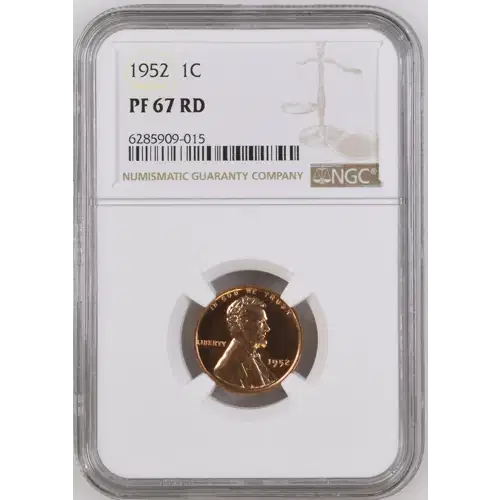
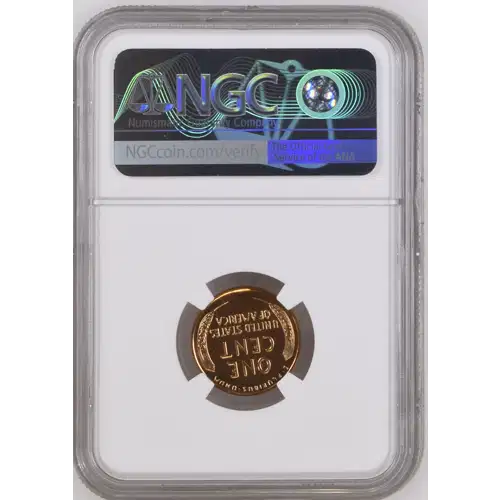
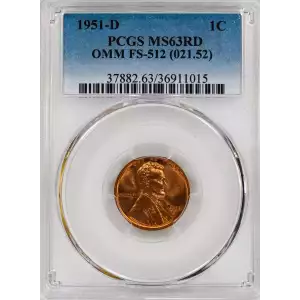
1952 Small Cents Lincoln, Wheat Ears Reverse NGC PF-67 RD

1952 Small Cents Lincoln Wheat Ears Reverse NGC PF-67 RD Proof Coin

The 1952 Small Cents Lincoln Wheat Ears Reverse represents a significant milestone in American numismatic history. This exceptional proof coin, graded NGC PF-67 RD, stands as a testament to the masterful craftsmanship of the U.S. Mint during the mid-twentieth century. Whether you're a seasoned collector or a newcomer to numismatics, this Lincoln cent offers outstanding quality, historical importance, and investment potential.

Overview of the 1952 Lincoln Wheat Cent

The Lincoln cent, first introduced in 1909 to honor President Abraham Lincoln's centennial birthday, evolved significantly throughout its production run. By 1952, the coin had become an iconic symbol of American currency and an essential piece of any serious numismatic collection. The 1952 proof edition is particularly sought after by collectors due to its limited mintage and exceptional eye appeal.

This particular specimen showcases the Wheat Ears Reverse design, which remained the primary design on the reverse of Lincoln cents from 1909 through 1958. The reverse features two wheat stalks flanking the denomination and "ONE CENT" inscription, a design that resonates with America's agricultural heritage and has become one of the most recognized and beloved designs in United States coinage.

NGC PF-67 RD Certification and Grading

This coin has been professionally graded by the Numismatic Guaranty Company (NGC), one of the most respected third-party grading services in the numismatic industry. The designation "PF-67 RD" indicates that this coin is a proof specimen with a grade of 67, which represents a specimen with excellent eye appeal and preservation. The "RD" designation signifies that the coin retains its original Red color, indicating minimal oxidation or toning.

In the grading hierarchy, a PF-67 falls into the "Superb Gem Proof" category, meaning the coin displays only light imperfections that are only visible under magnification. The Red designation is particularly important for early proof cents, as maintaining original luster and color adds substantial numismatic value and desirability to the specimen.

Coin Specifications and Technical Details

  • Year of Issue: 1952
  • Coin Type: Lincoln Cent (Penny)
  • Design: Wheat Ears Reverse
  • Obverse Designer: Victor David Brenner (Lincoln portrait)
  • Reverse Designer: Victor David Brenner (Wheat Ears design)
  • Denomination: One Cent (1¢)
  • Metal Composition: 95% Copper, 5% Zinc (1952 specifications)
  • Weight: 3.11 grams
  • Diameter: 19.05 millimeters
  • Mint Mark: No mint mark (Philadelphia Mint)
  • Strike Type: Proof
  • NGC Grade: PF-67 RD
  • Certification Number: Assigned by NGC
  • Edge: Plain

Historical Significance and Context

The year 1952 holds special significance in American history. Post-World War II America was experiencing economic prosperity and optimism. The Korean War was underway, and the nation was entering a period of unprecedented growth and cultural change. The U.S. Mint, reflecting the confidence of the era, produced proof coinage sets for collectors who sought the finest examples of American coinage.

The proof coins of 1952 were produced in limited quantities, as proof coins were specifically manufactured for collectors and presentation purposes rather than for general circulation. This limited production run makes 1952 proof cents notably scarcer than their business strike counterparts, significantly enhancing their collectibility and value.

The Legacy of the Lincoln Cent Design

Victor David Brenner's Lincoln cent design, first minted in 1909, represents one of the greatest achievements in American numismatic art. The obverse features an elegant portrait of President Lincoln in profile, capturing the essence of the sixteenth president with remarkable detail and dignity. The reverse, with its iconic wheat stalks, symbolizes American agricultural prosperity and the common person's work.

The Wheat Ears design, officially used from 1909 through 1958, has become one of the most collected and cherished designs in United States numismatic history. Collectors specifically seek out early proof examples from the 1910s through the 1950s, with each year representing a unique opportunity to own a piece of numismatic history.

Proof Coins: Understanding Their Importance

Proof coins represent the absolute finest examples of coinage technology and artistry. Unlike business strike coins produced for circulation, proofs are struck multiple times using specially prepared dies and polished blanks. This meticulous production process results in coins with mirror-like fields and frosted devices, creating exceptional contrast and visual appeal.

Proof coins of 1952 were typically sold in sets to collectors, making them more affordable than individual rare coins from earlier years. However, the survival rate of coins in pristine condition has proven to be relatively low, as many proof sets were broken up and individual coins were handled without proper protection. This fact makes high-grade examples like this PF-67 RD significantly more valuable than one might expect.

Condition and Eye Appeal

The NGC PF-67 RD designation indicates that this 1952 Lincoln cent exhibits exceptional preservation and eye appeal. The Red color designation is particularly noteworthy, signifying that the coin has maintained its original copper coloration with minimal oxidation or discoloration. The overall eye appeal of a PF-67 specimen typically exceeds that of lower grades, with only minor surface marks visible under magnification.

Coins in this grade represent an outstanding balance between rarity and condition. While PF-68 and higher examples are exceedingly rare and command premium prices, the PF-67 grade offers exceptional quality and eye appeal at a more accessible price point, making it an ideal addition to serious collections.

Investment Potential and Collector Value

The 1952 Lincoln cent proof has demonstrated consistent appreciation in value over the decades. As numismatic markets mature and collector demand for high-grade early proof cents continues to increase, specimens graded PF-67 RD represent solid investments. These coins appeal to multiple collector categories, including general Lincoln cent collectors, proof coin specialists, and vintage American coin investors.

The combination of historical significance, limited mintage, excellent condition, and professional certification makes this coin an attractive addition to any collection. Whether you're seeking to fill a specific hole in your collection, build a comprehensive Lincoln cent set, or acquire a tangible piece of American numismatic history, this 1952 proof cent offers significant value.

Why Collect Lincoln Cents?

Lincoln cents have been minted continuously since 1909, making them accessible to collectors of all levels and budgets. The series offers tremendous variety in terms of dates, mints, conditions, and designs. From common circulation coins to rare proof examples, there is a Lincoln cent for every collector's interest and financial capacity.

The Lincoln cent holds profound symbolism in American culture. Abraham Lincoln's image has become synonymous with American values of honesty, perseverance, and leadership. Owning an exceptional proof example from 1952 allows collectors to physically hold a tangible connection to American history and numismatic tradition.

Care and Preservation

Proper care and storage of this valuable numismatic specimen is essential for maintaining its grade and value. This NGC-certified coin comes securely encapsulated in an archival-quality holder designed to protect the coin from environmental factors such as humidity, dust, and oxidation. The holder should be stored in a cool, dry location away from direct sunlight and fluctuating temperatures.

Collectors are advised never to clean, polish, or attempt to improve the appearance of certified coins, as such actions can significantly diminish value. The Red designation on this proof cent is particularly delicate, and any improper handling could result in discoloration or oxidation.

Final Thoughts

The 1952 Small Cents Lincoln Wheat Ears Reverse NGC PF-67 RD represents an exceptional acquisition for collectors and investors alike. This coin embodies the artistry, historical significance, and investment potential that makes numismatic collecting such a rewarding pursuit. With its outstanding condition, professional certification, and enduring appeal, this 1952 proof cent deserves a prominent place in your numismatic collection.

Don't miss the opportunity to own this remarkable piece of American numismatic history. Contact us today to learn more about this exceptional coin and other rare numismatic specimens available for collectors.

Product ID 562227
Year 1952
Mint Mark
Strike Proof
Grade PF-67
Variety -
Grading Agency NGC
Specification properties No
Serial 6285909-015
Status Active
Designation RD
Additional Info -

You must be authenticated to write reviews. Click here   to login.

There are no reviews yet. Be the first to write one!

1952 Small Cents Lincoln, Wheat Ears Reverse NGC PF-67 RD

Category: Small Cents Lincoln, Wheat Ears Reverse
Wire / Check Price
– +

Description

1952 Small Cents Lincoln Wheat Ears Reverse NGC PF-67 RD Proof Coin

The 1952 Small Cents Lincoln Wheat Ears Reverse represents a significant milestone in American numismatic history. This exceptional proof coin, graded NGC PF-67 RD, stands as a testament to the masterful craftsmanship of the U.S. Mint during the mid-twentieth century. Whether you're a seasoned collector or a newcomer to numismatics, this Lincoln cent offers outstanding quality, historical importance, and investment potential.

Overview of the 1952 Lincoln Wheat Cent

The Lincoln cent, first introduced in 1909 to honor President Abraham Lincoln's centennial birthday, evolved significantly throughout its production run. By 1952, the coin had become an iconic symbol of American currency and an essential piece of any serious numismatic collection. The 1952 proof edition is particularly sought after by collectors due to its limited mintage and exceptional eye appeal.

This particular specimen showcases the Wheat Ears Reverse design, which remained the primary design on the reverse of Lincoln cents from 1909 through 1958. The reverse features two wheat stalks flanking the denomination and "ONE CENT" inscription, a design that resonates with America's agricultural heritage and has become one of the most recognized and beloved designs in United States coinage.

NGC PF-67 RD Certification and Grading

This coin has been professionally graded by the Numismatic Guaranty Company (NGC), one of the most respected third-party grading services in the numismatic industry. The designation "PF-67 RD" indicates that this coin is a proof specimen with a grade of 67, which represents a specimen with excellent eye appeal and preservation. The "RD" designation signifies that the coin retains its original Red color, indicating minimal oxidation or toning.

In the grading hierarchy, a PF-67 falls into the "Superb Gem Proof" category, meaning the coin displays only light imperfections that are only visible under magnification. The Red designation is particularly important for early proof cents, as maintaining original luster and color adds substantial numismatic value and desirability to the specimen.

Coin Specifications and Technical Details

  • Year of Issue: 1952
  • Coin Type: Lincoln Cent (Penny)
  • Design: Wheat Ears Reverse
  • Obverse Designer: Victor David Brenner (Lincoln portrait)
  • Reverse Designer: Victor David Brenner (Wheat Ears design)
  • Denomination: One Cent (1¢)
  • Metal Composition: 95% Copper, 5% Zinc (1952 specifications)
  • Weight: 3.11 grams
  • Diameter: 19.05 millimeters
  • Mint Mark: No mint mark (Philadelphia Mint)
  • Strike Type: Proof
  • NGC Grade: PF-67 RD
  • Certification Number: Assigned by NGC
  • Edge: Plain

Historical Significance and Context

The year 1952 holds special significance in American history. Post-World War II America was experiencing economic prosperity and optimism. The Korean War was underway, and the nation was entering a period of unprecedented growth and cultural change. The U.S. Mint, reflecting the confidence of the era, produced proof coinage sets for collectors who sought the finest examples of American coinage.

The proof coins of 1952 were produced in limited quantities, as proof coins were specifically manufactured for collectors and presentation purposes rather than for general circulation. This limited production run makes 1952 proof cents notably scarcer than their business strike counterparts, significantly enhancing their collectibility and value.

The Legacy of the Lincoln Cent Design

Victor David Brenner's Lincoln cent design, first minted in 1909, represents one of the greatest achievements in American numismatic art. The obverse features an elegant portrait of President Lincoln in profile, capturing the essence of the sixteenth president with remarkable detail and dignity. The reverse, with its iconic wheat stalks, symbolizes American agricultural prosperity and the common person's work.

The Wheat Ears design, officially used from 1909 through 1958, has become one of the most collected and cherished designs in United States numismatic history. Collectors specifically seek out early proof examples from the 1910s through the 1950s, with each year representing a unique opportunity to own a piece of numismatic history.

Proof Coins: Understanding Their Importance

Proof coins represent the absolute finest examples of coinage technology and artistry. Unlike business strike coins produced for circulation, proofs are struck multiple times using specially prepared dies and polished blanks. This meticulous production process results in coins with mirror-like fields and frosted devices, creating exceptional contrast and visual appeal.

Proof coins of 1952 were typically sold in sets to collectors, making them more affordable than individual rare coins from earlier years. However, the survival rate of coins in pristine condition has proven to be relatively low, as many proof sets were broken up and individual coins were handled without proper protection. This fact makes high-grade examples like this PF-67 RD significantly more valuable than one might expect.

Condition and Eye Appeal

The NGC PF-67 RD designation indicates that this 1952 Lincoln cent exhibits exceptional preservation and eye appeal. The Red color designation is particularly noteworthy, signifying that the coin has maintained its original copper coloration with minimal oxidation or discoloration. The overall eye appeal of a PF-67 specimen typically exceeds that of lower grades, with only minor surface marks visible under magnification.

Coins in this grade represent an outstanding balance between rarity and condition. While PF-68 and higher examples are exceedingly rare and command premium prices, the PF-67 grade offers exceptional quality and eye appeal at a more accessible price point, making it an ideal addition to serious collections.

Investment Potential and Collector Value

The 1952 Lincoln cent proof has demonstrated consistent appreciation in value over the decades. As numismatic markets mature and collector demand for high-grade early proof cents continues to increase, specimens graded PF-67 RD represent solid investments. These coins appeal to multiple collector categories, including general Lincoln cent collectors, proof coin specialists, and vintage American coin investors.

The combination of historical significance, limited mintage, excellent condition, and professional certification makes this coin an attractive addition to any collection. Whether you're seeking to fill a specific hole in your collection, build a comprehensive Lincoln cent set, or acquire a tangible piece of American numismatic history, this 1952 proof cent offers significant value.

Why Collect Lincoln Cents?

Lincoln cents have been minted continuously since 1909, making them accessible to collectors of all levels and budgets. The series offers tremendous variety in terms of dates, mints, conditions, and designs. From common circulation coins to rare proof examples, there is a Lincoln cent for every collector's interest and financial capacity.

The Lincoln cent holds profound symbolism in American culture. Abraham Lincoln's image has become synonymous with American values of honesty, perseverance, and leadership. Owning an exceptional proof example from 1952 allows collectors to physically hold a tangible connection to American history and numismatic tradition.

Care and Preservation

Proper care and storage of this valuable numismatic specimen is essential for maintaining its grade and value. This NGC-certified coin comes securely encapsulated in an archival-quality holder designed to protect the coin from environmental factors such as humidity, dust, and oxidation. The holder should be stored in a cool, dry location away from direct sunlight and fluctuating temperatures.

Collectors are advised never to clean, polish, or attempt to improve the appearance of certified coins, as such actions can significantly diminish value. The Red designation on this proof cent is particularly delicate, and any improper handling could result in discoloration or oxidation.

Final Thoughts

The 1952 Small Cents Lincoln Wheat Ears Reverse NGC PF-67 RD represents an exceptional acquisition for collectors and investors alike. This coin embodies the artistry, historical significance, and investment potential that makes numismatic collecting such a rewarding pursuit. With its outstanding condition, professional certification, and enduring appeal, this 1952 proof cent deserves a prominent place in your numismatic collection.

Don't miss the opportunity to own this remarkable piece of American numismatic history. Contact us today to learn more about this exceptional coin and other rare numismatic specimens available for collectors.

Specifications

Secure Transactions
Safeguarding Your Investments/Passion in Coins, Currency, or Bullion
We Buy Estates
We buy in-whole or in-part estates in 7 a state area.
Cash for Gold
Convert unwanted jewelry to cash or bullion
Your Cart


Continue to Checkout