- Gold Au $4458.60 $0.00
- Silver Ag $66.71 $0.00
- Platinum Pt $1845.50 $0.00
- Palladium Pd $1461.00 $0.00
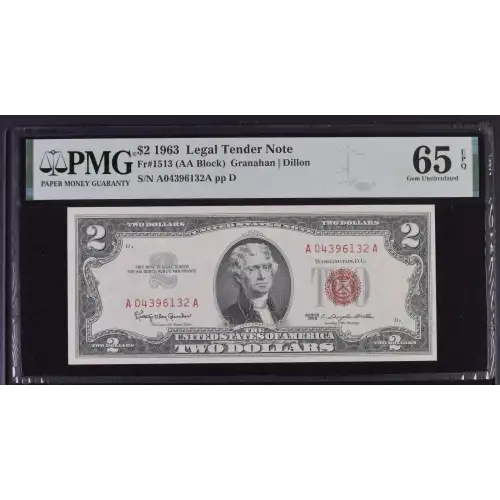
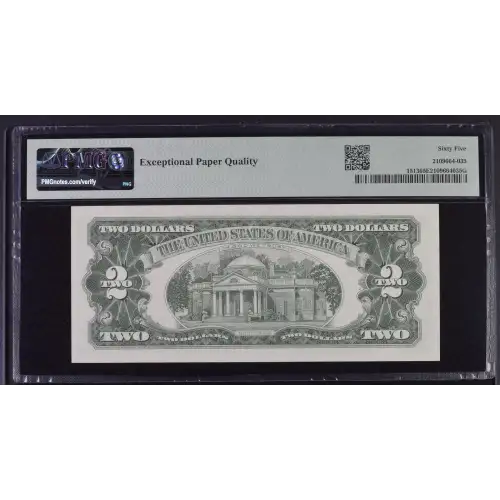
$2 1963 Legal Tender MS 65
Call us at 563.332.9189 or email us at info@qccoin.com for more information.
Description
$2 1963 Legal Tender MS 65 United States Paper Money
Discover the timeless appeal of the $2 1963 Legal Tender MS 65, a rare and valuable piece of United States currency that represents an important chapter in American monetary history. This exceptional collectible paper money showcases superior craftsmanship and historical significance, making it a must-have addition to any serious numismatic collection. Graded MS 65 by leading certification authorities, this $2 bill from 1963 represents a pristine example of mid-20th century American currency production.
Understanding the $2 Bill's Historical Significance
The $2 bill holds a unique and fascinating place in American numismatic history. While many collectors and casual observers believe $2 bills are rare or no longer in circulation, they remain legal tender and continue to be printed by the Bureau of Engraving and Printing, albeit in limited quantities. The 1963 $2 bill is particularly notable as it represents a specific era in United States currency design and production, making it an attractive addition to collections focused on mid-20th century American money.
Key Features of the MS 65 Grade
When a $2 bill receives an MS 65 grade from professional grading services, it indicates that the note exists in an exceptional state of preservation. The MS 65 designation, which stands for "Mint State 65," means the bill exhibits:
- Minimal Wear: The note shows virtually no signs of circulation or handling, with crisp, well-defined details throughout
- Vibrant Color: The original printing inks remain vivid and true, without fading or discoloration
- Sharp Corners and Edges: All corners and edges maintain their original sharpness and definition
- Exceptional Paper Quality: The specialized cotton-linen blend paper retains its original texture and structural integrity
- Clear Printing Details: All serial numbers, Federal Reserve markings, and intricate design elements are perfectly legible
- Absence of Defects: The note is free from stains, tears, creases, or other imperfections
Production History of 1963 $2 Bills
The $2 bills produced in 1963 represent a specific production run by the Bureau of Engraving and Printing, one of several years when these notes were manufactured. Understanding the production timeline helps collectors appreciate the rarity and historical context of their acquisitions.
Production Timeline and Years:
- 1862-1966: Initial production period for $2 bills, with various designs and security features
- 1963 Specifically: Part of the broader production era featuring the classic design elements that defined mid-century American currency
- 1966-1976: Production ceased temporarily, making bills from earlier years more collectible
- 1976-Present: Limited-quantity reintroduction and continued sporadic production
Design Elements and Currency Security Features
The 1963 $2 bill showcases the exceptional artistry and security measures employed by the U.S. Bureau of Engraving and Printing during this era. The note features Thomas Jefferson on the obverse (front) and the signing of the Declaration of Independence on the reverse (back), making it both historically significant and artistically impressive.
The security features incorporated into 1963 $2 bills include intricate geometric patterns, watermarks, and specialized printing techniques designed to prevent counterfeiting. These elements are particularly visible in high-grade specimens like the MS 65 example, where the clarity of these security measures can be fully appreciated.
Why Collect 1963 $2 Bills?
Collecting $2 bills, particularly those from 1963, offers numerous advantages for numismatists and investors:
- Historical Value: Each bill represents a tangible connection to American history and the economic conditions of 1963
- Rarity Factor: Despite ongoing production, $2 bills remain uncommon in circulation, making them valuable to collectors
- Affordability: Compared to other rare currency denominations, $2 bills often offer excellent value for collectors at all levels
- Aesthetic Appeal: The design quality and artistic elements make these bills beautiful pieces to display and study
- Investment Potential: Well-preserved examples continue to appreciate in value as collector demand increases
- Portfolio Diversification: Paper money collectibles complement precious metals and other alternative investments
Condition and Preservation Significance
The MS 65 grade assigned to this 1963 $2 bill indicates exceptional preservation. This high grade is significant because $2 bills from this era that have survived in near-perfect condition are relatively scarce. Most circulated examples show visible wear, handling marks, and color fading, making a crisp, well-preserved specimen particularly desirable to serious collectors.
Proper storage and preservation are essential for maintaining the value and condition of paper money collectibles. Bills graded MS 65 have typically been carefully stored away from light, moisture, and environmental contaminants since their production, which explains their superior condition.
Authentication and Certification
This $2 1963 Legal Tender bill has been professionally graded and certified by recognized third-party grading authorities. These certification services employ expert numismatists and advanced examination techniques to verify authenticity and assign accurate grades. The certification encapsulation protects the bill from further handling and environmental damage while providing collectors with confidence in both authenticity and condition assessment.
Building a Currency Collection
Whether you're an experienced numismatist or beginning your collection journey, 1963 $2 bills in MS 65 condition offer an accessible entry point into high-quality currency collecting. These bills fit well within collections focused on:
- United States paper currency from the 1960s
- Rare and unusual denominations
- Historical monetary systems and evolution
- Artistic and design-focused collecting
- Mid-century American history
- Investment-grade alternative assets
Market Demand and Collector Interest
Interest in vintage United States paper money, particularly well-preserved examples from the 1960s, continues to grow among collectors and investors worldwide. The $2 bill, with its historical significance and relative scarcity in high grades, represents a particularly sought-after collectible. MS 65 examples command premium prices due to their exceptional preservation and the rarity of bills surviving in such pristine condition.
Investment Considerations
Many collectors approach rare currency as both a hobby and a long-term investment strategy. The 1963 $2 bill in MS 65 condition has historically demonstrated steady appreciation, particularly as the number of high-grade examples in the collector market remains limited. As vintage currency becomes increasingly scarce and investor demand grows, well-authenticated, professionally graded pieces like this MS 65 specimen continue to gain value.
Authentication Features You Should Know
Understanding the authentication features of 1963 $2 bills helps collectors verify authenticity and appreciate the craftsmanship of U.S. currency production:
- Serial Numbers: Each bill bears unique serial numbers that identify its specific printing plate and production sequence
- Federal Reserve Seal: The seal indicates which Federal Reserve Bank distributed the currency
- Bureau of Engraving and Printing Seal: Confirms official U.S. government production
- Paper Composition: The distinctive cotton-linen blend creates a unique texture and feel
- Intaglio Printing: Creates the characteristic raised texture visible on authentic bills
- Watermark Elements: Visible security features when held to light
Complete Your Collectible Currency Portfolio
The $2 1963 Legal Tender MS 65 represents an excellent opportunity to acquire a significant piece of American currency history. Whether you're focused on building a comprehensive collection of rare $2 bills, assembling examples from each year of production, or seeking high-grade pieces from the 1960s era, this professionally certified bill offers authenticity, quality, and historical significance in one exceptional package.
Invest in numismatic excellence with this rare and desirable $2 bill from 1963, graded MS 65 by leading certification services. This outstanding specimen combines historical importance, artistic merit, aesthetic beauty, and collector value, making it a worthwhile addition to any serious currency collection.
Specifications
Related products