- Gold Au $4021.30 $21.28
- Silver Ag $54.32 $0.09
- Platinum Pt $1554.20 $-21.06
- Palladium Pd $1087.00 $3.44
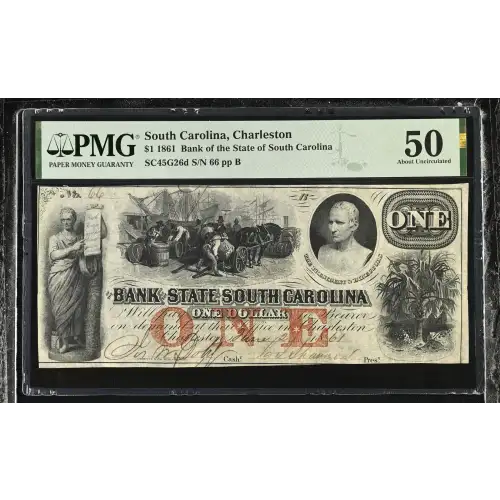
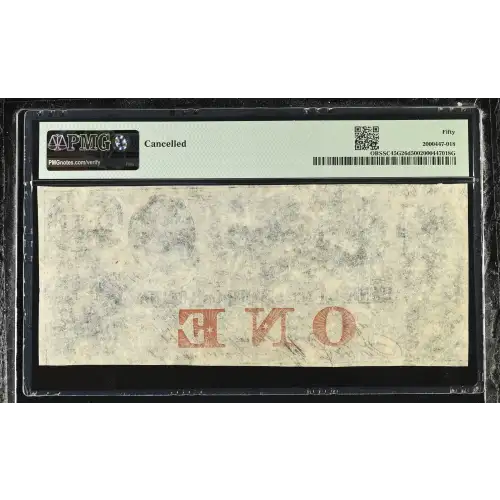
$1 1861 South Carolina, Charleston
Description
The $1 1861 South Carolina, Charleston collectible paper money represents a fascinating piece of American monetary history during one of the nation's most turbulent periods. This rare and historically significant currency note captures a critical moment in United States history, making it an essential addition to any serious currency collection or American history archive.
Historical Significance
The year 1861 marked the beginning of the American Civil War, and this Charleston, South Carolina $1 note stands as a tangible testament to the financial systems in place during this momentous period. As secession became reality, Charleston served as a crucial economic hub for the Confederate states, and this currency reflects the complex monetary landscape of the era.
About This Collectible Currency
This $1 note from Charleston, South Carolina, dated 1861, is more than just paper money—it's a window into pre-Civil War American commerce and the regional banking systems that existed before federal currency became standardized. Collectors prize these notes for their scarcity, historical context, and the intricate designs that showcase the printing techniques of the mid-19th century.
Key Historical Details
- Year Issued: 1861
- Denomination: $1
- Origin: Charleston, South Carolina
- Historical Period: Civil War Era
- Currency Type: Obsolete Paper Money
- Significance: Represents state banking currency before federal standardization
The Story of 1861 Currency
Before the Civil War, American currency was far more decentralized than it is today. Individual states and authorized banks issued their own notes, creating a diverse and sometimes confusing monetary system. The 1861 $1 note from Charleston represents this unique period in American financial history when regional banking was the norm rather than the exception.
Charleston, as one of the South's most important ports and commercial centers, had established banking institutions that issued their own currency. This note would have circulated within the local economy, serving merchants, businesses, and citizens conducting daily commerce in this thriving colonial and antebellum port city.
Design and Printing Features
1861 currency notes from this period typically featured intricate engraving and design elements that reflected the technological capabilities and aesthetic preferences of mid-19th-century printers. These notes often included portraits of notable historical figures, allegorical imagery representing commerce and prosperity, and elaborate decorative borders designed to prevent counterfeiting.
The printing quality of notes from this era provides collectors with insight into the advancement of American printing technology during the 1860s. The fine details, careful registration of multiple colors, and skilled engraving work showcase the craftsmanship valued in currency production of this period.
Collecting Obsolete Paper Money
Obsolete currency from the 1860s has become increasingly sought after by numismatists and history enthusiasts. These notes are no longer legal tender but represent important artifacts of American economic and social history. The 1861 Charleston $1 note is particularly valuable because it bridges the pre-war and Civil War periods, capturing a moment of significant historical transition.
Collectors appreciate obsolete paper money for several reasons: the historical narrative it tells, the artistry of the designs, the rarity of surviving examples, and the connection to specific geographical locations and institutions. A Charleston note from 1861 carries the weight of that city's unique role in American history.
Condition and Collectibility
Like all antique paper money, the condition of an 1861 Charleston $1 note significantly affects its value and appeal to collectors. Notes that have survived 160+ years are remarkable achievements in preservation. Factors affecting condition include fading, staining, creasing, tears, and overall structural integrity.
Serious collectors examine these notes carefully for signs of circulation, repairs, or restoration. Original examples with excellent eye appeal command premium prices in the collector market. The rarity of high-grade examples makes finding well-preserved specimens increasingly difficult.
Charleston's Role in American History
Charleston, South Carolina, held a preeminent position in American commerce and politics throughout the 19th century. As a major port city with established trading relationships and financial institutions, Charleston was instrumental in the American economy. Currency issued in Charleston carried the prestige of this important commercial center.
The timing of this 1861 note is particularly significant, as it was issued during the year South Carolina seceded from the Union and the Civil War commenced. This makes any Charleston currency from this period especially meaningful for historians studying the economic aspects of the Civil War and secession.
Investment and Collectibility Potential
Rare currency from the Civil War era has demonstrated strong collector demand. As numismatic and historical awareness grows, the market for authentic obsolete paper money continues to expand. The 1861 South Carolina Charleston $1 note appeals to multiple collector categories: American history enthusiasts, regional collectors focused on South Carolina, Civil War historians, and numismatists.
The finite nature of surviving examples means that high-quality specimens may appreciate over time. Unlike modern currency production, which can be replicated in large quantities, these historical notes represent finite resources from a specific historical moment that can never be recreated.
Perfect for Collectors and Historians
Whether you're an established numismatist seeking to expand your collection, a history teacher looking for authentic educational materials, or someone with a personal connection to Charleston or South Carolina, the 1861 $1 note offers multiple layers of appeal and interest.
This collectible serves as both an investment in rare currency and a tangible piece of American heritage. Owning an authentic example connects you to the people, places, and commerce of Civil War-era Charleston.
Documentation and Authentication
When acquiring rare obsolete currency, proper authentication and documentation are essential. Reputable dealers provide detailed information about provenance, condition assessment, and historical background. Collectors should seek notes that come with clear descriptions of their characteristics and any relevant historical research.
Preserve American History
The $1 1861 South Carolina, Charleston collectible paper money is more than currency—it's a preserved piece of American history. By acquiring and preserving these notes, collectors help maintain connections to our nation's diverse and complex past. This Charleston note stands as testimony to the economic systems, design aesthetics, and historical circumstances of mid-19th-century America.
Add this rare and historically significant piece to your collection today and own a tangible artifact from one of the most transformative periods in American history.
Specifications
Related products