- Gold Au $4340.00 $-6.07
- Silver Ag $66.20 $-0.03
- Platinum Pt $1836.40 $14.81
- Palladium Pd $1344.00 $-2.45
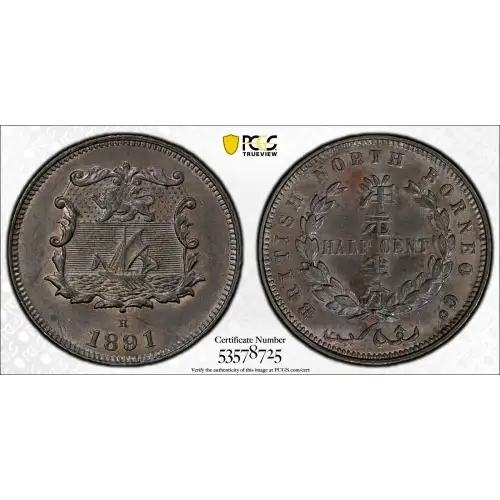
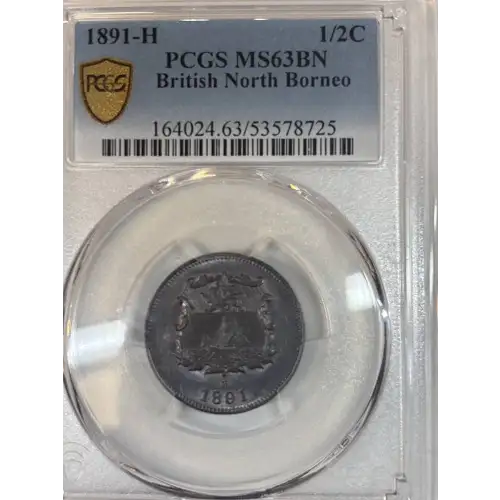
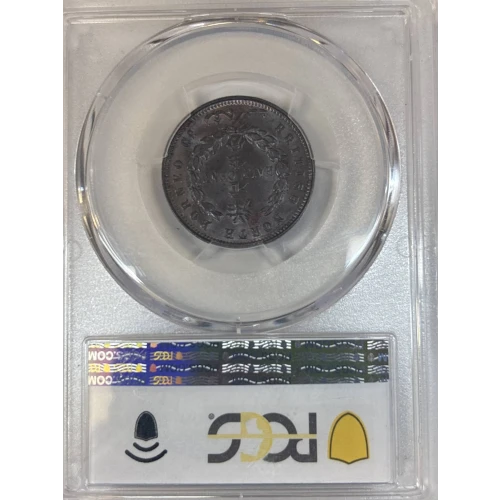
1891 British North Borneo Bronze 1/2 CENT PCGS MS-63 BN
Category: British North Borneo Bronze 1/2 CENTDescription
1891 British North Borneo Bronze 1/2 Cent PCGS MS-63 BN - A Premier Example of Colonial Numismatic History
This exceptional 1891 British North Borneo Bronze 1/2 Cent represents a significant piece of colonial numismatic history, graded by PCGS as MS-63 BN (Mint State-63, Brown). This rare coin from the British North Borneo Chartered Company era offers collectors and investors a tangible connection to one of Southeast Asia's most fascinating historical periods. The specimen's superior condition and historical importance make it a standout addition to any numismatic collection focused on British colonial coinage, Asian history, or nineteenth-century monetary systems.
About British North Borneo Bronze Coinage
The British North Borneo territory, located on the island of Borneo in Southeast Asia, maintained its own coinage system during the late nineteenth and early twentieth centuries under the governance of the British North Borneo Chartered Company. This unique arrangement made British North Borneo one of the few regions where a chartered company, rather than the crown directly, issued official currency. The half-cent denomination represented the smallest fractional unit of the system and saw limited circulation, making surviving specimens increasingly scarce over the past century.
The 1891 half-cent is particularly notable as it comes from the earliest period of the territory's monetary coinage program. These early issues, struck in bronze, represent the formative years of British North Borneo's economic development and commercial infrastructure. The introduction of standardized coinage reflected the region's growing importance as a trading hub and the Company's commitment to establishing modern financial systems within the territory.
Historical Context and Significance
The year 1891 holds special significance in British North Borneo's colonial history. The territory was at a pivotal moment in its development, with the Chartered Company actively consolidating control and establishing infrastructure throughout the region. The introduction of an official coinage system demonstrated the Company's confidence in the territory's economic future and its desire to facilitate commerce and trade within its domain.
British North Borneo operated under a unique charter granted by the British Crown, which authorized the Company to govern, develop, and mint currency for the territory. This arrangement was similar to other chartered company operations of the era but was implemented relatively late in the colonial period. The Chartered Company's decision to issue its own coinage underscored the territory's economic independence and commercial importance within the broader British colonial framework.
The half-cent denomination, while small in face value, played an important role in the daily commerce of the region's diverse population. These coins facilitated transactions among the local communities, merchant traders, and the Company's administrative representatives. Today, surviving examples provide numismatists with direct evidence of this unique period in Southeast Asian economic history.
Specifications and Grading Details
- Date of Issue: 1891
- Country/Territory: British North Borneo
- Denomination: 1/2 Cent
- Composition: Bronze
- KM Catalog Number: KM#1
- Certification Authority: PCGS (Professional Coin Grading Service)
- Grade: MS-63 (Mint State-63)
- Color Designation: BN (Brown)
- Rarity: Limited mintage with low survival rate
Understanding the MS-63 Grade
A PCGS MS-63 grade indicates that this coin displays excellent mint state preservation, having never entered circulation despite its age of over 130 years. Mint State coins show no wear to their surfaces, with original mint luster still evident across the obverse and reverse. The MS-63 designation specifically denotes a coin that exhibits only minor imperfections, such as slight contact marks or luster breaks, which are typical for coins of this age and are invisible to the unaided eye at normal viewing distances.
The "BN" designation refers to the coin's patina color, which ranges from reddish-brown to dark brown. This coloration is natural and expected for bronze coins of this era, resulting from the metal's oxidation over time. Far from being a deficiency, the brown patina indicates the coin's authenticity and age, distinguishing it from artificially cleaned or artificially toned specimens. Collectors highly value this original patina as evidence of the coin's historical genuineness.
The Bronze Composition and Durability
British North Borneo's choice of bronze for the half-cent denomination was practical and economical. Bronze, an alloy of copper and tin, provided excellent durability for everyday circulation while remaining cost-effective for the Chartered Company to produce. The composition ensured that these coins would resist wear during handling and maintain their design details throughout extended use in commerce.
The bronze composition also contributed to the longevity of surviving specimens. Unlike some precious metal coins that may have been deliberately melted down for their intrinsic value, bronze half-cents had limited melt value, which paradoxically improved their survival rate among collectors and in archival holdings. This economic factor makes well-preserved examples like this MS-63 specimen increasingly valuable to numismatists.
Design and Artistic Elements
As the KM#1 catalog entry indicates, this 1891 half-cent represents the first major coinage denomination issued under the British North Borneo Chartered Company's monetary system. The obverse and reverse designs reflect the colonial aesthetic of the period, with appropriate imperial imagery and denomination markings. These design elements provide valuable insights into how the Chartered Company presented its authority and commercial enterprise to the local population and international trading partners.
The coin's modest diameter and thickness are consistent with fractional currency of the era, designed for convenient handling and storage. The designs were carefully executed to ensure clarity and durability through repeated handling, reflecting the technical capabilities of late nineteenth-century minting operations.
Collecting British North Borneo Coinage
Coins from British North Borneo represent a specialized and increasingly difficult area of numismatic collecting. The territory's unique political status as a Chartered Company domain makes these coins particularly interesting to collectors focused on colonial coinage, British imperial history, or Southeast Asian numismatics. The 1891 half-cent, as the earliest issue from this series, holds special appeal for type collectors seeking comprehensive examples of the territory's monetary systems.
Specimens graded MS-63 or higher are genuinely scarce, as most surviving examples from this period exist in circulated conditions. The combination of early date, pristine condition, and authoritative third-party certification makes this piece an excellent choice for serious collectors. Whether building a collection centered on British colonial issues, Asian numismatics, or bronze coinage from the nineteenth century, this 1891 British North Borneo half-cent offers authenticity, rarity, and historical significance.
Investment and Long-Term Value
The scarcity of well-preserved British North Borneo coinage continues to support collector demand and values. As original holders of these coins pass their collections to subsequent generations, and as awareness of these unique issues spreads among numismatists, quality examples become increasingly difficult to locate. The MS-63 condition, combined with the coin's historical importance and the 1891 date, position this specimen favorably for long-term appreciation within the numismatic market.
The PCGS certification provides assurance of authenticity and grade, which is essential for coins of this rarity and age. Certified specimens trade with greater confidence and liquidity than uncertified examples, as collectors and dealers can rely on the professional assessment of the coin's preservation and authenticity.
Authenticity and Certification Assurance
This coin's PCGS certification represents rigorous examination by leading numismatic experts using state-of-the-art authentication technology. PCGS, one of the world's most respected independent grading services, employs rigorous standards to ensure that only authentic coins receive their coveted slabs and grades. The MS-63 BN designation on the PCGS holder provides definitive documentation of this coin's authenticity, grade, and composition.
For collectors investing in historically significant and scarce issues like British North Borneo coinage, professional third-party certification is invaluable. It protects against counterfeit issues, provides standardized grading according to universally recognized scales, and facilitates future sales or insurance documentation.
Conclusion
The 1891 British North Borneo Bronze 1/2 Cent PCGS MS-63 BN represents a remarkable convergence of numismatic quality, historical significance, and rarity. This coin embodies a unique chapter in colonial monetary history, originating from a territory governed under an unusual chartered company arrangement that few modern collectors fully appreciate. The specimen's superior mint state preservation, combined with its early date and bronze composition, makes it an outstanding addition to collections focused on British colonial coinage, Asian numismatics, or historical world currency systems.
Whether you are an experienced numismatist seeking to fill a critical gap in a specialized collection or a new collector exploring the fascinating world of colonial Asian coinage, this authenticated and professionally graded example offers both historical depth and collector satisfaction. The MS-63 grade ensures that this 1891 half-cent will continue to appreciate in value and desirability as awareness of these scarce issues continues to grow throughout the numismatic community.
Specifications