- Gold Au $4458.60 $0.00
- Silver Ag $66.71 $0.00
- Platinum Pt $1845.50 $0.00
- Palladium Pd $1461.00 $0.00
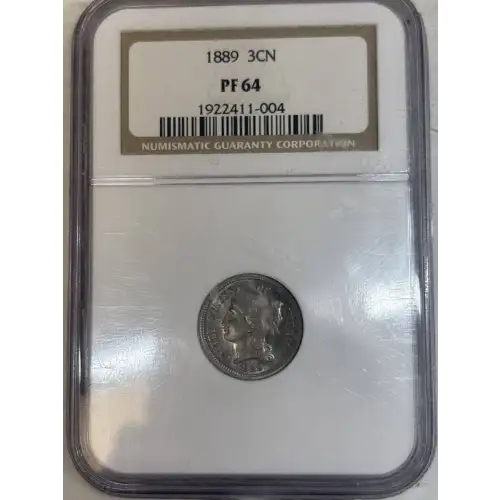
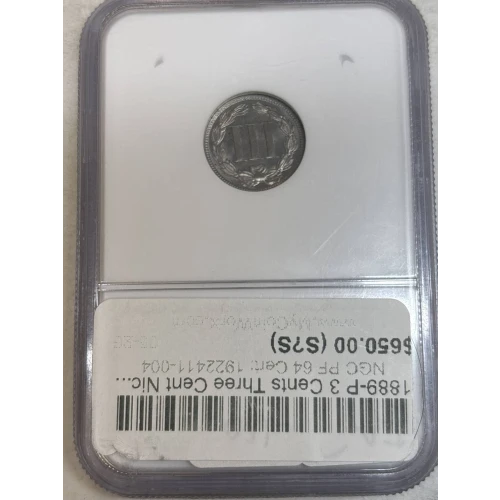
1889 Nickel Three Cent Pieces NGC PF-64
Category: Nickel Three Cent PiecesDescription
1889 Nickel Three Cent Piece NGC PF-64 - Rare American Proof Coin
The 1889 Nickel Three Cent Piece represents one of the most distinctive and historically significant minor coins in American numismatic history. This particular specimen, certified by NGC with a PF-64 grade, offers collectors an exceptional opportunity to own a piece of late 19th-century American coinage. The Three Cent piece, though modest in face value, carries tremendous historical importance and rarity that makes it highly sought after by serious numismatists and coin enthusiasts worldwide.
About the Nickel Three Cent Piece
The Three Cent piece was a unique denomination in United States currency that served a specific purpose during the height of American industrialization. While most collectors are familiar with the earlier silver Three Cent pieces, the nickel variant represents a later iteration of this fascinating coin series. The nickel composition made these coins more durable and practical for everyday commerce, though they were largely overshadowed by other denominations that proved more popular with the general public.
The year 1889 marks an important moment in the production history of nickel Three Cent pieces. By this late date in the series, production numbers had dwindled significantly, making examples from this year particularly desirable to collectors. The 1889 date is especially notable because it represents coins produced during a period of transition in American monetary policy and coinage practices.
Proof Coins and Their Significance
This coin is designated as a Proof (PF) specimen, which distinguishes it from regular circulation coins. Proof coins were struck with specially prepared dies and planchets, resulting in coins with exceptional quality, sharp details, and distinctive mirror-like fields. These coins were not intended for circulation but rather were produced for collectors, government officials, and special presentations. The production of Proof coins required meticulous craftsmanship and represented the highest standards of the United States Mint's capabilities.
Proof Three Cent pieces from 1889 are considerably rarer than their business strike counterparts. The limited production numbers and the care taken in their production make them invaluable to collectors seeking complete sets or examples of this particular series. The PF-64 grade indicates that this specimen has been well-preserved and maintains much of its original aesthetic appeal while showing only minimal signs of handling or wear.
NGC Certification and PF-64 Grade
The NGC (Numismatic Guaranty Company) certification on this coin provides independent authentication and grading by leading industry experts. NGC is recognized worldwide as one of the most respected third-party grading companies in the numismatic field. The PF-64 grade indicates that this coin is in Choice Proof condition, representing an excellent state of preservation for a coin that is now over 130 years old.
At the PF-64 level, this coin exhibits sharp strike characteristics with minimal disturbance to the proof fields. While not reaching the pinnacle of the grading scale, a PF-64 coin represents an outstanding example that collectors can appreciate for both its eye appeal and investment value. The certification holder provides a clear window into the coin's obverse and reverse, allowing for easy viewing and authentication.
Key Specifications:
- Denomination: Three Cents
- Year of Mintage: 1889
- Metal Composition: 75% Copper, 25% Nickel
- Coin Type: Proof
- NGC Grade: PF-64
- Diameter: 17.9 millimeters
- Weight: Approximately 1.94 grams
- Mint Mark: No mint mark (Philadelphia Mint)
- Total Mintage (1889 Proof): Limited production
- Designer: James B. Longacre (obverse), Christian Gobrecht (reverse elements)
Historical Context of the Three Cent Piece
The Three Cent denomination was introduced to American coinage to facilitate the purchase of postage stamps, which cost three cents during the early-to-mid 19th century. This practical purpose demonstrates how American currency denominations were often tailored to meet specific economic needs. The nickel Three Cent piece was first minted in 1865 as a replacement for the earlier silver Three Cent coin, which had become unpopular due to its small size and similarity to other denominations.
By 1889, the Three Cent piece had already experienced decades of production, though production levels had fluctuated considerably. The nickel composition, while initially intended to provide durability, made these coins less desirable than other denominations for various reasons. However, this very fact makes surviving examples, particularly in Proof condition, increasingly valuable to modern collectors and historians interested in numismatic evolution.
Design and Artistic Elements
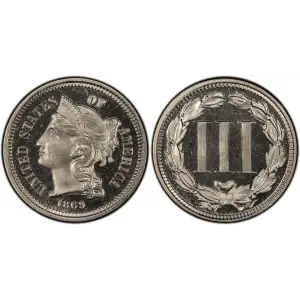
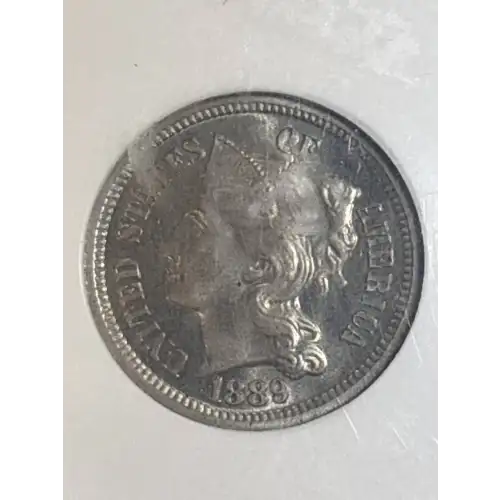
The obverse of the 1889 Three Cent piece features Lady Liberty in profile, a recurring theme throughout American coinage. The design captures Liberty facing left with detailed hair styling and classical features that exemplify the artistic standards of the era. The word "LIBERTY" is clearly visible on the obverse, along with the date "1889," which serves as both a historical marker and a key identifier for collectors.
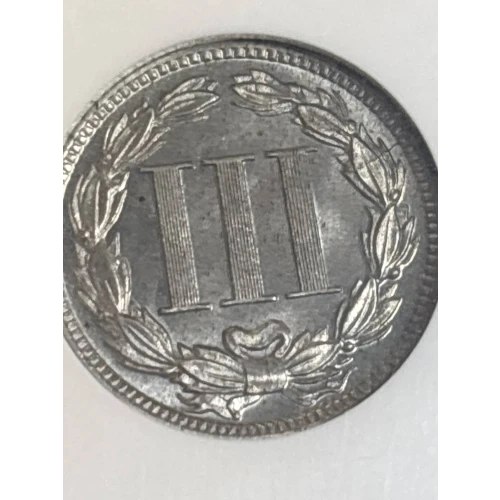
The reverse side displays the denomination "3 CENTS" within a wreath, a design element that was modified during the series run. The nickel Three Cent reverse design is distinctive compared to the silver predecessor, featuring a slightly different wreath arrangement that adds to the appeal of collecting both types. On Proof specimens like this PF-64 example, the details of the wreath are exceptionally sharp and well-defined.
The inscriptions "UNITED STATES OF AMERICA" are prominently displayed around the reverse, reinforcing the coin's national significance and official status. Every element of the design was carefully rendered by experienced mint artisans who took pride in producing coins of the highest quality, which is evident when examining a well-preserved Proof specimen.
Rarity and Availability
The 1889 Nickel Three Cent Piece in Proof condition is relatively scarce in the numismatic market. While not as rare as some other Three Cent varieties, Proof examples command significant premiums over business strike versions. The combination of the specific date, the Proof designation, and the NGC PF-64 grade makes this coin a notable acquisition for collectors building comprehensive Three Cent collections or specializing in late-date Proof coins from the 19th century.
The survival rate of Three Cent pieces from this era has been affected by various factors, including the coins' limited usefulness in commerce, their eventual removal from circulation, and the passage of time. Many specimens were lost, spent, or melted down, making survivors increasingly valuable. A certified PF-64 example represents a coin that has not only survived over 130 years but has also been carefully preserved by responsible collectors.
Investment and Collectibility
For numismatists and investors, the 1889 Nickel Three Cent Piece PF-64 represents a solid addition to a diverse coin collection. Three Cent pieces have shown stable appreciation over the years as collectors continue to seek examples to complete their sets. The Proof designation adds significant value compared to circulated or business strike examples, as Proof coins appeal to a broad range of collectors interested in the finest examples of minting craftsmanship.
The NGC certification ensures that potential buyers can purchase with confidence, knowing that the grade and authenticity have been independently verified by industry experts. This third-party authentication is increasingly important in today's numismatic market, providing assurance of quality and value retention for both seasoned collectors and new enthusiasts.
Condition and Preservation
The PF-64 grade indicates that this coin has been exceptionally well-preserved since its original minting in 1889. Proper storage and handling over more than a century have allowed this specimen to retain its distinctive Proof characteristics. The mirror-like fields that are characteristic of Proof coins remain largely intact, and the raised design elements show sharp definition consistent with the grade assigned by NGC.
For collectors and investors, acquiring a Proof Three Cent piece in this condition offers the opportunity to own a coin that faithfully represents the minting standards and artistry of the Philadelphia Mint during this fascinating period in American history. The PF-64 grade represents an ideal balance between rarity, quality, and accessibility for many collectors.
Why Collect Three Cent Pieces?
Three Cent pieces hold a special place in American numismatic collecting for several compelling reasons. First, they represent a unique denomination that is no longer minted, making them historical artifacts in their own right. Second, the two-type series (silver and nickel) offers collectors the opportunity to build interesting comparative collections. Third, the relatively limited production numbers of many dates and varieties mean that collectors can achieve a sense of accomplishment in assembling complete sets.
Additionally, Three Cent pieces appeal to collectors interested in the history of American postal service, commerce, and monetary policy. The coins tell the story of how currency was adapted to meet the practical needs of society during the 19th century. For those interested in minor coinage or late-date 19th-century American coins, Three Cent pieces offer an excellent focal point for a specialized collection.
Care and Storage Recommendations
Owners of this certified 1889 Three Cent Piece should handle it with appropriate care to maintain its condition. The NGC certification holder provides excellent protection and display capability. When storing the coin, keep it in a cool, dry environment away from humidity, extreme temperatures, and potentially corrosive materials. The nickel-copper composition of this coin is relatively stable, but proper storage practices will ensure that it remains in its current condition for future generations.
It is recommended that collectors avoid touching the surfaces of the coin with bare hands, as oils and moisture can potentially affect the appearance over time. The certified holder serves as both protection and authentication, and should be maintained as part of the coin's provenance.
Conclusion
The 1889 Nickel Three Cent Piece NGC PF-64 represents an excellent opportunity for collectors to acquire a rare, historically significant American coin from the late 19th century. With its Proof designation, exceptional grade, and independent NGC certification, this coin offers both aesthetic appreciation and collecting satisfaction. Whether you are an experienced numismatist seeking to complete a Three Cent collection or a new collector interested in exploring late-date American coinage, this specimen exemplifies the quality, rarity, and historical importance that make numismatic collecting such a rewarding pursuit.
Specifications
Related products