- Gold Au $4380.38 $0.00
- Silver Ag $66.41 $0.00
- Platinum Pt $1817.16 $0.00
- Palladium Pd $1335.44 $0.00
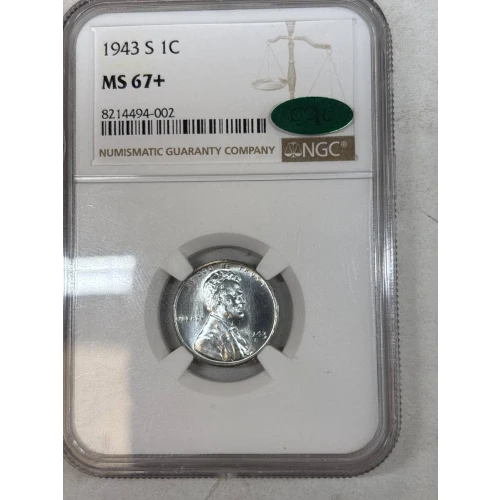
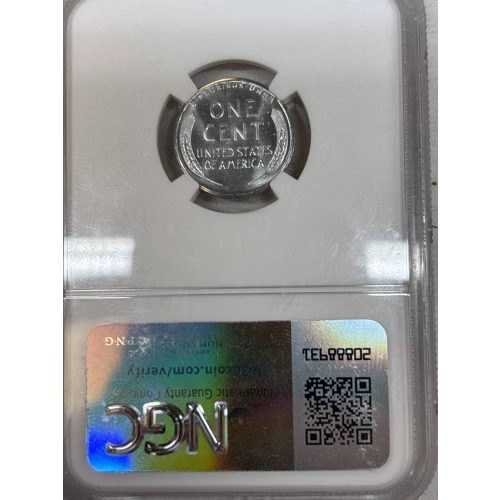
1943-S Small Cents Lincoln, Wheat Ears Reverse NGC MS-67+ CAC
Category: Small Cents Lincoln, Wheat Ears ReverseDescription
1943 S Small Cents Lincoln Wheat Ears Reverse NGC MS-67+
The 1943 S Small Cents Lincoln Wheat Ears Reverse is one of the most historically significant and sought-after coins in American numismatic collections. This exceptional specimen, certified by NGC with a grade of MS-67+, represents a pristine example from a critical year in United States coinage history. Whether you're a seasoned collector or a newcomer to numismatics, this 1943-S cent offers tremendous historical value and numismatic appeal.
Historical Significance of the 1943 Lincoln Cent
The year 1943 marks a pivotal moment in American coin production. Due to the critical shortage of copper during World War II, the U.S. Mint made the unprecedented decision to strike all one-cent pieces in steel planchets coated with zinc instead of the traditional copper composition. This dramatic departure from standard practice makes 1943 cents among the most distinctive and collectible coins in American history.
The San Francisco Mint, identified by the "S" mint mark on this particular coin, produced millions of these steel cents to meet the nation's need for circulating currency while preserving copper for military applications. Despite high mintage numbers, examples in exceptional condition like this NGC MS-67+ specimen remain relatively scarce and highly prized by collectors worldwide.
The Wheat Ears Reverse Design
This 1943-S cent features the iconic Wheat Ears reverse design, which adorned Lincoln cents from 1909 through 1958. Designed by Victor David Brenner, the reverse depicts two wheat stalks flanking the denomination "ONE CENT." This classic design symbolizes American agriculture and prosperity, making it one of the most recognizable and beloved reverse designs in U.S. numismatic history.
The obverse bears a left-facing portrait of President Abraham Lincoln, designed by Brenner and first introduced in 1909 to commemorate the centennial of Lincoln's birth. The combination of Lincoln's dignified profile and the elegant wheat stalks creates a design of enduring aesthetic appeal that has captivated collectors for generations.
Why the 1943-S Cent is Highly Collectible
The 1943 steel cent occupies a special place in American numismatic culture. These coins are instantly recognizable by their distinctive silvery appearance and magnetic properties—a unique characteristic that makes them easy to identify and verify. The 1943-S example is particularly desirable because San Francisco Mint coins from this era represent an important segment of wartime coinage.
Beyond their historical importance, high-grade examples like this MS-67+ specimen are scarce. The vast majority of 1943 cents entered active circulation and became heavily worn. Finding a specimen that has maintained its original mint luster and sharp details for over eighty years is a remarkable achievement that speaks to both its rarity and the care taken by its previous custodians.
Coin Specifications and Details
- Date and Mint Mark: 1943 S (San Francisco Mint)
- Denomination: One Cent (1¢)
- Composition: Steel planchets with zinc coating (99% zinc, 1% manganese)
- Weight: 2.70 grams
- Diameter: 19.05 millimeters
- Edge: Plain
- Obverse Design: Left-facing portrait of President Abraham Lincoln by Victor David Brenner
- Reverse Design: Two wheat stalks flanking "ONE CENT" denomination, also by Victor David Brenner
- Certification: NGC (Numismatic Guaranty Company) MS-67+ grade
- Mint State Grade: MS-67+ (Choice Uncirculated, exceptional eye appeal)
Understanding the NGC MS-67+ Grade
The NGC grade of MS-67+ is exceptional for any coin, and particularly impressive for a 1943 steel cent. The MS designation indicates that the coin is in Mint State condition, meaning it has never been in circulation and retains its original mint luster. The numerical grade of 67 places this coin in the upper echelon of Mint State grades, representing a specimen with only minor imperfections visible under magnification.
The "+" modifier further distinguishes this coin as superior within its grade range, indicating exceptional eye appeal and near-gem quality. This level of preservation is uncommon for 1943 cents, which often show signs of storage wear or handling marks. An MS-67+ specimen represents a true treasure for the serious collector.
The Rarity of Finding High-Grade 1943-S Cents
While the San Francisco Mint struck over 191 million one-cent pieces in 1943, the vast majority saw extensive circulation during the war years and beyond. The economic conditions of the 1940s meant that coins were actively spent and reused, making preservation in high grade exceptionally rare. Collectors searching for uncirculated or lightly circulated examples frequently encounter examples in lower grades.
This particular MS-67+ specimen has survived the past eight decades with its surface remarkably preserved. The original mint frost remains visible on both the obverse and reverse, while the strike demonstrates the excellent quality control maintained at the San Francisco Mint. Such well-preserved examples are increasingly difficult to locate, especially at this elite grade level.
Collecting 1943 Steel Cents
Many collectors pursue a complete set of 1943 one-cent pieces, seeking examples from all three mints that produced them during this exceptional year: Philadelphia (no mint mark), Denver (D), and San Francisco (S). The S-mint variety holds special appeal for West Coast collectors and those focused on San Francisco Mint coinage. Building a high-grade set of 1943 cents has become increasingly challenging as more collectors recognize their historical and numismatic significance.
Beyond the basic 1943 cents, advanced collectors investigate die varieties and striking characteristics. The 1943-S cent, while not as heavily studied for varieties as the 1943 Philadelphia cent, still offers interesting numismatic features worthy of detailed examination. Owning an example in MS-67+ condition allows collectors to appreciate these details without concerns about surface preservation.
Investment Potential and Value
The 1943-S Lincoln cent in MS-67+ grade represents both a historical artifact and a numismatic investment. As WWII-era coinage becomes increasingly scarce in high grades and educational value of these coins becomes more widely appreciated, demand from both new and experienced collectors continues to grow. The combination of historical significance, rarity in high grade, and iconic design makes this coin appealing to a broad spectrum of numismatists.
Certification by NGC provides assurance of grade and authenticity, important factors for collectors making significant acquisitions. The MS-67+ grade places this coin among the finest known examples, a distinction that carries lasting value in the numismatic marketplace.
A Tangible Connection to American History
Acquiring this 1943-S cent connects you directly to one of the most consequential periods in American history. Every steel cent minted in 1943 represents a decision born of necessity and patriotic sacrifice. The shortage of copper that prompted the use of steel was a direct consequence of America's commitment to World War II, with copper diverted to ammunition manufacturing, communications equipment, and countless military applications.
Holding this coin in your hand allows you to contemplate the ingenuity and resilience of the American people during wartime. It serves as a tangible reminder of how even everyday objects can carry profound historical significance. For collectors and history enthusiasts alike, the 1943-S cent represents more than monetary value—it embodies a specific moment in American experience.
Why Choose This Particular Specimen
This 1943 S Small Cents Lincoln Wheat Ears Reverse graded NGC MS-67+ stands out as an exceptional acquisition opportunity. The combination of historical importance, outstanding preservation, and authenticated grade makes it a worthy addition to any serious numismatic collection. Whether you're focused on Lincoln cents, World War II-era coinage, San Francisco Mint issues, or American numismatic history broadly, this coin deserves consideration.
The scarcity of high-grade 1943-S cents, combined with their enduring appeal among collectors, makes each exceptional specimen significant. This MS-67+ example represents the collecting opportunity to own a piece of American history in outstanding condition—a rarity that becomes more precious with each passing year.
Specifications