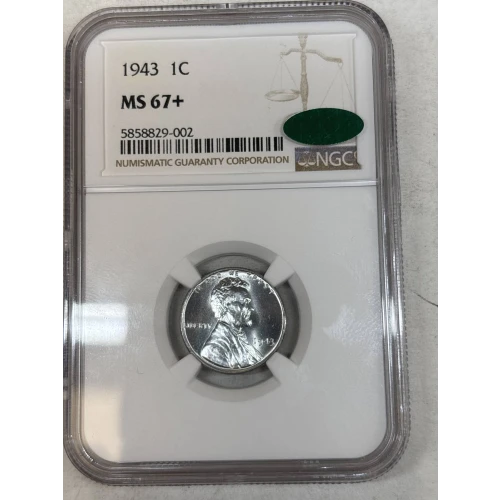
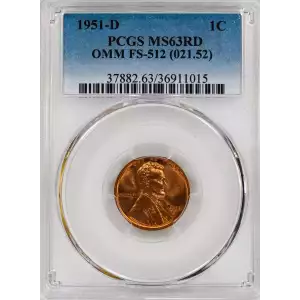
1943 Small Cents Lincoln, Wheat Ears Reverse NGC MS-67+ CAC

1943 Small Cents Lincoln Wheat Ears Reverse NGC MS-67+

Discover this exceptional 1943 Small Cents Lincoln with Wheat Ears Reverse, graded NGC MS-67+. This remarkable piece of American numismatic history represents a pivotal year in U.S. coinage and stands as a treasured collectible for serious coin enthusiasts and investors alike. The MS-67+ grade indicates near-gem mint state condition, making this specimen a highly desirable addition to any collection.

Overview of the 1943 Lincoln Cent

The 1943 Lincoln cent holds special significance in American coin collecting. This particular year marked one of the most unusual and talked-about transitions in U.S. mint history. Due to copper rationing during World War II, the U.S. Mint made the dramatic decision to substitute zinc-coated steel for the traditional copper composition, resulting in the iconic silver-colored cents that have become instantly recognizable to collectors worldwide.

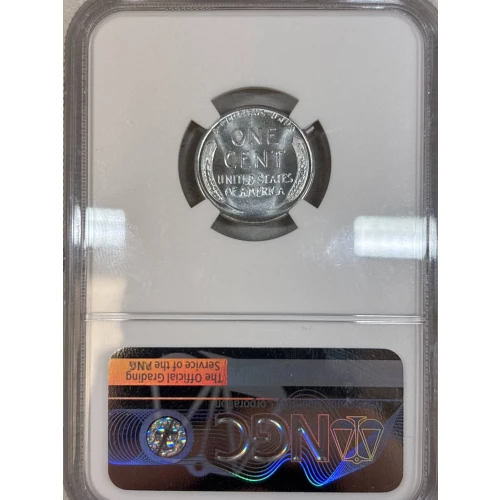
The coin you're examining features the timeless Wheat Ears Reverse design, which graced the back of Lincoln cents from 1909 to 1958. This classic design showcases two stalks of wheat flanking the words "ONE CENT" and remains one of the most beloved reverse designs in American coinage history.

Historical Significance

World War II Copper Conservation: The year 1943 represents a unique moment in numismatic history. With the United States fully engaged in World War II, copper was desperately needed for military applications, ammunition, and various defense-related manufacturing. The Strategic Materials Act prohibited the use of copper in circulating coinage, forcing the U.S. Mint to innovate.

Steel Composition Innovation: The 1943 cents were struck on steel planchets that were electroplated with zinc to provide a protective coating. While this composition served its patriotic purpose, it created coins that were prone to rust and corrosion over time. This makes well-preserved examples like this NGC MS-67+ specimen particularly valuable and sought-after by collectors.

The Wheat Ears Design: Designed by sculptor Victor David Brenner, the Wheat Ears Reverse first appeared in 1909 and became an iconic symbol of American agriculture and prosperity. The two wheat stalks represent the nation's agricultural heritage and appeared on pennies for nearly 50 years, making them familiar to millions of Americans across generations.

Coin Specifications

  • Year of Issue: 1943
  • Denomination: One Cent (1¢)
  • Obverse Design: Lincoln Head (designed by Victor David Brenner)
  • Reverse Design: Wheat Ears (designed by Victor David Brenner)
  • Composition: Zinc-coated steel (due to WWII copper rationing)
  • Diameter: 19.05 mm
  • Weight: 2.70 grams
  • Thickness: 1.52 mm
  • Mint Mark: Varies by production facility
  • Grading Service: NGC (Numismatic Guaranty Company)
  • Grade: MS-67+ (Mint State 67+)
  • Grade Description: Near-Gem Mint State

Understanding the MS-67+ Grade

The NGC MS-67+ grade represents a coin in exceptional condition, indicating it has seen little to no circulation. Coins at this grade level display vibrant luster and minimal imperfections visible only under careful magnification. The "+" designation signifies that this particular specimen is at the higher end of the MS-67 range, making it a premium example within its grade category.

In the MS-67+ condition, this 1943 cent retains strong strike details, excellent eye appeal, and the type of visual quality that serious collectors actively seek. The zinc-coated steel composition of 1943 cents makes high-grade examples particularly challenging to locate, as many specimens developed oxidation and storage issues over the decades.

Collecting 1943 Lincoln Cents

Rarity Considerations: While 1943 cents were produced in large quantities across multiple mint facilities, finding well-preserved examples in high grades remains challenging. The steel composition made these coins more susceptible to environmental damage, and many examples that survived in collections show signs of rust or discoloration.

Collector Appeal: The 1943 date holds particular fascination for collectors interested in World War II history and American numismatic innovation. These coins serve as tangible reminders of how the nation mobilized its resources during wartime, including even the composition of everyday currency.

Investment Potential: High-grade examples of 1943 Lincoln cents, particularly those graded by respected third-party authentication services like NGC, have demonstrated solid appreciation potential. The combination of historical significance, rarity in high grades, and strong collector demand makes these coins attractive for both numismatists and investors.

Care and Preservation

Due to the steel and zinc composition of 1943 cents, proper preservation is essential. The NGC slab provides professional protection against further oxidation and environmental exposure. Collectors should store these coins in a stable environment, away from extreme temperature fluctuations and humidity, to maintain their condition and value long-term.

Why Choose This Specimen

This particular 1943 Small Cents Lincoln with Wheat Ears Reverse in NGC MS-67+ condition represents an excellent opportunity to own a significant piece of American numismatic and historical heritage. Whether you're a dedicated collector, a history enthusiast, or an investor seeking quality rarities, this coin offers exceptional value and appeal.

The combination of the iconic Wheat Ears design, the historically significant 1943 date, the challenging steel composition, and the premium MS-67+ grade make this a specimen worthy of serious consideration. Don't miss the opportunity to add this treasured piece of American coinage history to your collection.

Product ID 562088
Year 1943
Mint Mark
Strike Business
Grade MS-67+
Variety -
Grading Agency NGC
Specification properties CAC
Serial 5858829-002
Status Active
Designation -
Additional Info -

You must be authenticated to write reviews. Click here   to login.

There are no reviews yet. Be the first to write one!

1943 Small Cents Lincoln, Wheat Ears Reverse NGC MS-67+ CAC

Category: Small Cents Lincoln, Wheat Ears Reverse
Wire / Check Price
+

Description

1943 Small Cents Lincoln Wheat Ears Reverse NGC MS-67+

Discover this exceptional 1943 Small Cents Lincoln with Wheat Ears Reverse, graded NGC MS-67+. This remarkable piece of American numismatic history represents a pivotal year in U.S. coinage and stands as a treasured collectible for serious coin enthusiasts and investors alike. The MS-67+ grade indicates near-gem mint state condition, making this specimen a highly desirable addition to any collection.

Overview of the 1943 Lincoln Cent

The 1943 Lincoln cent holds special significance in American coin collecting. This particular year marked one of the most unusual and talked-about transitions in U.S. mint history. Due to copper rationing during World War II, the U.S. Mint made the dramatic decision to substitute zinc-coated steel for the traditional copper composition, resulting in the iconic silver-colored cents that have become instantly recognizable to collectors worldwide.

The coin you're examining features the timeless Wheat Ears Reverse design, which graced the back of Lincoln cents from 1909 to 1958. This classic design showcases two stalks of wheat flanking the words "ONE CENT" and remains one of the most beloved reverse designs in American coinage history.

Historical Significance

World War II Copper Conservation: The year 1943 represents a unique moment in numismatic history. With the United States fully engaged in World War II, copper was desperately needed for military applications, ammunition, and various defense-related manufacturing. The Strategic Materials Act prohibited the use of copper in circulating coinage, forcing the U.S. Mint to innovate.

Steel Composition Innovation: The 1943 cents were struck on steel planchets that were electroplated with zinc to provide a protective coating. While this composition served its patriotic purpose, it created coins that were prone to rust and corrosion over time. This makes well-preserved examples like this NGC MS-67+ specimen particularly valuable and sought-after by collectors.

The Wheat Ears Design: Designed by sculptor Victor David Brenner, the Wheat Ears Reverse first appeared in 1909 and became an iconic symbol of American agriculture and prosperity. The two wheat stalks represent the nation's agricultural heritage and appeared on pennies for nearly 50 years, making them familiar to millions of Americans across generations.

Coin Specifications

  • Year of Issue: 1943
  • Denomination: One Cent (1¢)
  • Obverse Design: Lincoln Head (designed by Victor David Brenner)
  • Reverse Design: Wheat Ears (designed by Victor David Brenner)
  • Composition: Zinc-coated steel (due to WWII copper rationing)
  • Diameter: 19.05 mm
  • Weight: 2.70 grams
  • Thickness: 1.52 mm
  • Mint Mark: Varies by production facility
  • Grading Service: NGC (Numismatic Guaranty Company)
  • Grade: MS-67+ (Mint State 67+)
  • Grade Description: Near-Gem Mint State

Understanding the MS-67+ Grade

The NGC MS-67+ grade represents a coin in exceptional condition, indicating it has seen little to no circulation. Coins at this grade level display vibrant luster and minimal imperfections visible only under careful magnification. The "+" designation signifies that this particular specimen is at the higher end of the MS-67 range, making it a premium example within its grade category.

In the MS-67+ condition, this 1943 cent retains strong strike details, excellent eye appeal, and the type of visual quality that serious collectors actively seek. The zinc-coated steel composition of 1943 cents makes high-grade examples particularly challenging to locate, as many specimens developed oxidation and storage issues over the decades.

Collecting 1943 Lincoln Cents

Rarity Considerations: While 1943 cents were produced in large quantities across multiple mint facilities, finding well-preserved examples in high grades remains challenging. The steel composition made these coins more susceptible to environmental damage, and many examples that survived in collections show signs of rust or discoloration.

Collector Appeal: The 1943 date holds particular fascination for collectors interested in World War II history and American numismatic innovation. These coins serve as tangible reminders of how the nation mobilized its resources during wartime, including even the composition of everyday currency.

Investment Potential: High-grade examples of 1943 Lincoln cents, particularly those graded by respected third-party authentication services like NGC, have demonstrated solid appreciation potential. The combination of historical significance, rarity in high grades, and strong collector demand makes these coins attractive for both numismatists and investors.

Care and Preservation

Due to the steel and zinc composition of 1943 cents, proper preservation is essential. The NGC slab provides professional protection against further oxidation and environmental exposure. Collectors should store these coins in a stable environment, away from extreme temperature fluctuations and humidity, to maintain their condition and value long-term.

Why Choose This Specimen

This particular 1943 Small Cents Lincoln with Wheat Ears Reverse in NGC MS-67+ condition represents an excellent opportunity to own a significant piece of American numismatic and historical heritage. Whether you're a dedicated collector, a history enthusiast, or an investor seeking quality rarities, this coin offers exceptional value and appeal.

The combination of the iconic Wheat Ears design, the historically significant 1943 date, the challenging steel composition, and the premium MS-67+ grade make this a specimen worthy of serious consideration. Don't miss the opportunity to add this treasured piece of American coinage history to your collection.

Specifications

Secure Transactions
Safeguarding Your Investments/Passion in Coins, Currency, or Bullion
We Buy Estates
We buy in-whole or in-part estates in 7 a state area.
Cash for Gold
Convert unwanted jewelry to cash or bullion
Your Cart


Continue to Checkout