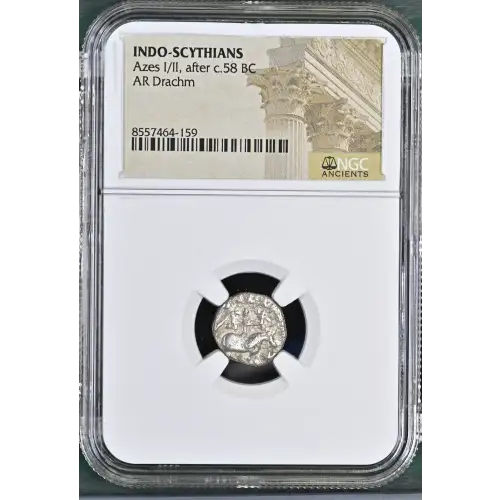
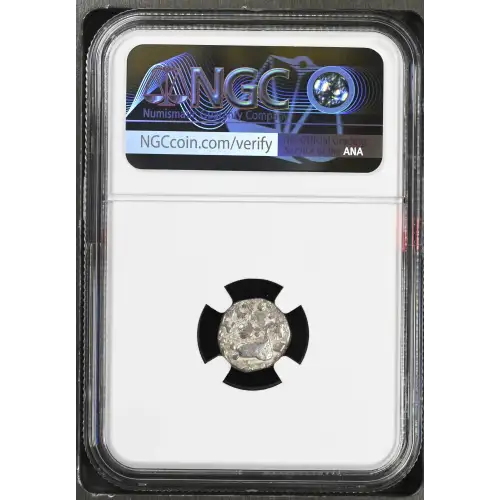
Greece Indo-Scythians 58 BC AR Drachm Azes I/II NGC Ancients Circulated

Ancient Greece Indo-Scythian Silver Drachm - Azes I/II (58 BC) NGC Certified

This exceptional Ancient Greece Indo-Scythian AR Drachm from approximately 58 BC represents one of the most fascinating periods in numismatic history. Struck during the reign of Azes I or Azes II, this certified NGC specimen offers collectors a rare glimpse into the complex cultural and political landscape of the Hellenistic East. The Indo-Scythian kingdom, also known as the Indo-Greek kingdom, represents a remarkable fusion of Greek and Central Asian cultures that emerged following Alexander the Great's eastern campaigns.

Historical Significance of the Indo-Scythian Drachm

The Indo-Scythian period marked a unique chapter in ancient numismatics, characterized by the blending of Greek artistic traditions with the political realities of the Scythian peoples who dominated the regions of modern-day Pakistan, Afghanistan, and northern India. The reign of Azes I and his successor Azes II (approximately 57-35 BC) represented a period of significant stability and prosperity for the Indo-Scythian kingdom. During this era, the kingdom served as a crucial bridge between the Hellenistic Mediterranean world and the emerging powers of Central Asia and the Indian subcontinent.

The silver drachm became the standard currency for extensive trade networks that connected the Indian Ocean trading routes with the Mediterranean. These coins facilitated commerce across the famous Silk Road centuries before its formal establishment, making them essential artifacts for understanding ancient economic systems and international trade patterns.

Numismatic Features and Design Elements

The Indo-Scythian drachm of Azes I/II showcases distinctive design characteristics that reflect the cultural synthesis of the period:

  • Obverse Design: Typically features a bust of the ruler, often depicted with a diadem or crown, representing Greek royal portraiture traditions
  • Reverse Design: Usually displays a standing deity or symbolic figure, often reflecting both Greek and local religious iconography
  • Inscriptions: Bilingual legends combining Greek and native scripts, demonstrating the multicultural nature of the Indo-Scythian state
  • Metal Composition: High-quality silver (AR - Argentum), indicating the prestige and economic importance of the coin
  • Weight: Approximately 2.3-2.5 grams, consistent with contemporary drachm standards
  • Diameter: Generally ranging from 18-22 millimeters
  • Strike: Hand-struck coinage displaying the characteristic die variations of ancient minting practices
  • Certification: NGC graded and encapsulated, guaranteeing authenticity and preservation

Azes I and Azes II: Rulers of the Indo-Scythian Kingdom

The reign of Azes I (approximately 57-35 BC) marked a period of consolidation and expansion for the Indo-Scythian kingdom. Historical records, supplemented by numismatic evidence, suggest that Azes I was a capable military strategist who successfully maintained the kingdom's independence against various rivals and expanding empires. His coinage demonstrates a sophisticated understanding of propaganda and statecraft, with careful attention paid to the portrayal of his image and the selection of reverse types.

Azes II succeeded his predecessor and continued many of the numismatic traditions established during Azes I's reign. However, scholars debate whether certain coins attributed to "Azes I/II" were struck by a single ruler with both names or represent separate reigns. This numbering ambiguity makes coins from this period particularly interesting to specialists in ancient Indo-Greek numismatics, as they often provide crucial data points for chronological studies.

Cultural Fusion and Artistic Merit

The Indo-Scythian drachm represents more than mere economic instruments—they are miniature works of art that demonstrate the sophisticated metalworking techniques of the ancient world. The coins reflect the artistic heritage of classical Greece while simultaneously incorporating elements from Persian, Central Asian, and Indian traditions. This cultural synthesis makes each specimen a valuable historical document that illuminates the complex interactions between civilizations during the Hellenistic period.

The portraiture on these coins often shows remarkable skill and sensitivity, with die engravers capturing facial features and expressions that convey authority and legitimacy. The reverse types frequently feature Athena, Nike (the goddess of victory), or other figures meaningful to both Greek and Indo-Scythian audiences, demonstrating the intentional cultural messaging embedded in these coins.

Rarity and Collector Appeal

Indo-Scythian drachms, particularly those of Azes I/II, are considerably rarer than contemporary Greek or Roman coinage. Many specimens were melted down over the centuries for their precious metal content, making surviving examples increasingly difficult to locate. NGC-certified specimens represent the pinnacle of collector preferences, as professional grading ensures authenticity and provides an objective assessment of preservation.

Collectors of ancient numismatics prize these coins for their historical significance, numismatic rarity, and aesthetic appeal. The combination of Hellenistic artistic traditions with exotic Eastern elements creates specimens that appeal to specialists focusing on Greek coinage, Indo-Greek numismatics, Scythian history, and ancient trade systems alike.

Investment and Preservation Value

Ancient silver drachms from the Indo-Scythian period represent tangible connections to one of history's most dynamic and influential civilizations. The intrinsic silver content, combined with historical significance and rarity, makes these coins attractive to both numismatic collectors and precious metals investors. The NGC certification provides additional assurance regarding the coin's authenticity and preservation, potentially enhancing its long-term value appreciation.

Proper storage and handling of certified ancient coins ensures their preservation for future generations. NGC encapsulation protects the specimen from environmental damage while maintaining its numismatic and historical integrity.

Key Specifications Summary

  • Ruler: Azes I or Azes II
  • Period: Approximately 58 BC (reign 57-35 BC)
  • Region: Indo-Scythian Kingdom
  • Denomination: Drachm
  • Metal: Silver (AR)
  • Certification: NGC Graded
  • Type: Ancient Greek/Indo-Scythian
  • Historical Classification: Hellenistic Period

Why Choose This Ancient Drachm

This Greece Indo-Scythian AR Drachm of Azes I/II represents an exceptional opportunity to own a piece of ancient history spanning three continents. The NGC certification guarantees authenticity while providing detailed grading information that helps collectors understand the specimen's quality and preservation state. Whether you're a seasoned numismatist focused on Hellenistic coinage, a historian interested in ancient trade routes, or an investor in precious metals with historical significance, this ancient drachm offers remarkable value and educational merit.

Investing in certified ancient coins provides diversification within precious metals portfolios while offering the intangible benefits of historical ownership and scholarly appreciation. The Indo-Scythian drachm remains a testament to human civilization's capacity for cultural synthesis and economic sophistication, serving as a reminder of the complex world that existed centuries before the modern era.

Product ID 562024
Year Azes I/II, after c.58 BC
Mint Mark C
Strike Business
Grade Circulated
Variety -
Grading Agency NGC Ancients
Specification properties No
Serial 8557464-159
Status Active
Designation -
Additional Info -

You must be authenticated to write reviews. Click here   to login.

There are no reviews yet. Be the first to write one!

Greece Indo-Scythians 58 BC AR Drachm Azes I/II NGC Ancients Circulated

Category: Greece Indo-Scythians 58 BC AR Drachm Azes I/II
Wire / Check Price
+

Description

Ancient Greece Indo-Scythian Silver Drachm - Azes I/II (58 BC) NGC Certified

This exceptional Ancient Greece Indo-Scythian AR Drachm from approximately 58 BC represents one of the most fascinating periods in numismatic history. Struck during the reign of Azes I or Azes II, this certified NGC specimen offers collectors a rare glimpse into the complex cultural and political landscape of the Hellenistic East. The Indo-Scythian kingdom, also known as the Indo-Greek kingdom, represents a remarkable fusion of Greek and Central Asian cultures that emerged following Alexander the Great's eastern campaigns.

Historical Significance of the Indo-Scythian Drachm

The Indo-Scythian period marked a unique chapter in ancient numismatics, characterized by the blending of Greek artistic traditions with the political realities of the Scythian peoples who dominated the regions of modern-day Pakistan, Afghanistan, and northern India. The reign of Azes I and his successor Azes II (approximately 57-35 BC) represented a period of significant stability and prosperity for the Indo-Scythian kingdom. During this era, the kingdom served as a crucial bridge between the Hellenistic Mediterranean world and the emerging powers of Central Asia and the Indian subcontinent.

The silver drachm became the standard currency for extensive trade networks that connected the Indian Ocean trading routes with the Mediterranean. These coins facilitated commerce across the famous Silk Road centuries before its formal establishment, making them essential artifacts for understanding ancient economic systems and international trade patterns.

Numismatic Features and Design Elements

The Indo-Scythian drachm of Azes I/II showcases distinctive design characteristics that reflect the cultural synthesis of the period:

  • Obverse Design: Typically features a bust of the ruler, often depicted with a diadem or crown, representing Greek royal portraiture traditions
  • Reverse Design: Usually displays a standing deity or symbolic figure, often reflecting both Greek and local religious iconography
  • Inscriptions: Bilingual legends combining Greek and native scripts, demonstrating the multicultural nature of the Indo-Scythian state
  • Metal Composition: High-quality silver (AR - Argentum), indicating the prestige and economic importance of the coin
  • Weight: Approximately 2.3-2.5 grams, consistent with contemporary drachm standards
  • Diameter: Generally ranging from 18-22 millimeters
  • Strike: Hand-struck coinage displaying the characteristic die variations of ancient minting practices
  • Certification: NGC graded and encapsulated, guaranteeing authenticity and preservation

Azes I and Azes II: Rulers of the Indo-Scythian Kingdom

The reign of Azes I (approximately 57-35 BC) marked a period of consolidation and expansion for the Indo-Scythian kingdom. Historical records, supplemented by numismatic evidence, suggest that Azes I was a capable military strategist who successfully maintained the kingdom's independence against various rivals and expanding empires. His coinage demonstrates a sophisticated understanding of propaganda and statecraft, with careful attention paid to the portrayal of his image and the selection of reverse types.

Azes II succeeded his predecessor and continued many of the numismatic traditions established during Azes I's reign. However, scholars debate whether certain coins attributed to "Azes I/II" were struck by a single ruler with both names or represent separate reigns. This numbering ambiguity makes coins from this period particularly interesting to specialists in ancient Indo-Greek numismatics, as they often provide crucial data points for chronological studies.

Cultural Fusion and Artistic Merit

The Indo-Scythian drachm represents more than mere economic instruments—they are miniature works of art that demonstrate the sophisticated metalworking techniques of the ancient world. The coins reflect the artistic heritage of classical Greece while simultaneously incorporating elements from Persian, Central Asian, and Indian traditions. This cultural synthesis makes each specimen a valuable historical document that illuminates the complex interactions between civilizations during the Hellenistic period.

The portraiture on these coins often shows remarkable skill and sensitivity, with die engravers capturing facial features and expressions that convey authority and legitimacy. The reverse types frequently feature Athena, Nike (the goddess of victory), or other figures meaningful to both Greek and Indo-Scythian audiences, demonstrating the intentional cultural messaging embedded in these coins.

Rarity and Collector Appeal

Indo-Scythian drachms, particularly those of Azes I/II, are considerably rarer than contemporary Greek or Roman coinage. Many specimens were melted down over the centuries for their precious metal content, making surviving examples increasingly difficult to locate. NGC-certified specimens represent the pinnacle of collector preferences, as professional grading ensures authenticity and provides an objective assessment of preservation.

Collectors of ancient numismatics prize these coins for their historical significance, numismatic rarity, and aesthetic appeal. The combination of Hellenistic artistic traditions with exotic Eastern elements creates specimens that appeal to specialists focusing on Greek coinage, Indo-Greek numismatics, Scythian history, and ancient trade systems alike.

Investment and Preservation Value

Ancient silver drachms from the Indo-Scythian period represent tangible connections to one of history's most dynamic and influential civilizations. The intrinsic silver content, combined with historical significance and rarity, makes these coins attractive to both numismatic collectors and precious metals investors. The NGC certification provides additional assurance regarding the coin's authenticity and preservation, potentially enhancing its long-term value appreciation.

Proper storage and handling of certified ancient coins ensures their preservation for future generations. NGC encapsulation protects the specimen from environmental damage while maintaining its numismatic and historical integrity.

Key Specifications Summary

  • Ruler: Azes I or Azes II
  • Period: Approximately 58 BC (reign 57-35 BC)
  • Region: Indo-Scythian Kingdom
  • Denomination: Drachm
  • Metal: Silver (AR)
  • Certification: NGC Graded
  • Type: Ancient Greek/Indo-Scythian
  • Historical Classification: Hellenistic Period

Why Choose This Ancient Drachm

This Greece Indo-Scythian AR Drachm of Azes I/II represents an exceptional opportunity to own a piece of ancient history spanning three continents. The NGC certification guarantees authenticity while providing detailed grading information that helps collectors understand the specimen's quality and preservation state. Whether you're a seasoned numismatist focused on Hellenistic coinage, a historian interested in ancient trade routes, or an investor in precious metals with historical significance, this ancient drachm offers remarkable value and educational merit.

Investing in certified ancient coins provides diversification within precious metals portfolios while offering the intangible benefits of historical ownership and scholarly appreciation. The Indo-Scythian drachm remains a testament to human civilization's capacity for cultural synthesis and economic sophistication, serving as a reminder of the complex world that existed centuries before the modern era.

Specifications

Secure Transactions
Safeguarding Your Investments/Passion in Coins, Currency, or Bullion
We Buy Estates
We buy in-whole or in-part estates in 7 a state area.
Cash for Gold
Convert unwanted jewelry to cash or bullion
Your Cart


Continue to Checkout