- Gold Au $4308.40 $-37.42
- Silver Ag $65.18 $-1.03
- Platinum Pt $1799.60 $-21.41
- Palladium Pd $1328.00 $-17.95
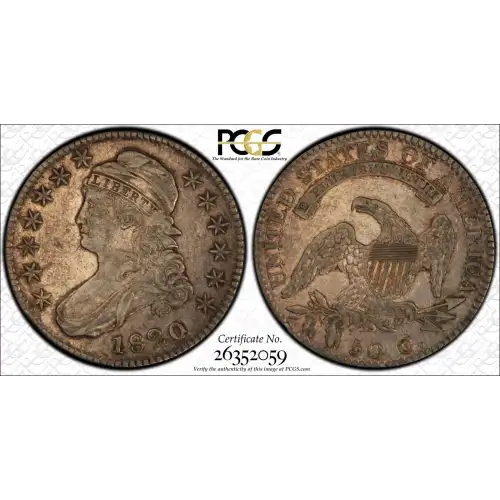
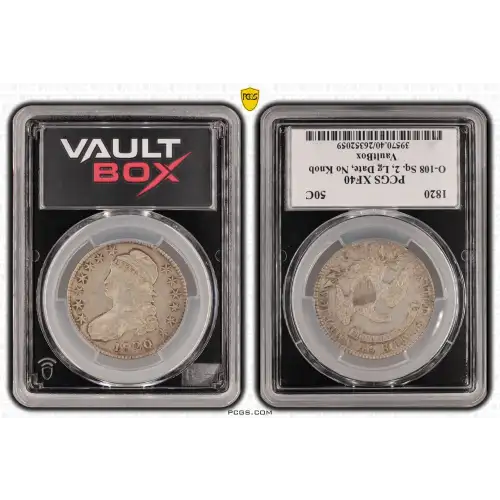
1820 Capped Bust Half Dollars PCGS XF-40 Square 2, Large Date, No Knob O-108
Category: Capped Bust Half DollarsCall us at 563.332.9189 or email us at info@qccoin.com for more information.
Description
1820 P Capped Bust Half Dollar PCGS XF-40 Square 2, Large Date, No Knob O-108
The 1820 Capped Bust Half Dollar represents one of the most significant and sought-after coins in American numismatic history. This particular specimen, graded PCGS XF-40 with the distinctive Square 2, Large Date variety and No Knob 2 designation (O-108), exemplifies the craftsmanship and historical importance of early U.S. coinage during the nascent years of our nation.
Historical Significance
The Capped Bust Half Dollar series, produced from 1807 to 1839, represents a pivotal era in American coin design and production. The 1820 issue falls within this important period, a time when the United States was establishing its identity as a sovereign nation and its monetary system was gaining international respect. Half dollars from this era were workhorse coins, essential to commerce and trade throughout the expanding nation.
In 1820, the United States was experiencing significant growth and development. The nation had recently survived the War of 1812 and was beginning to expand westward. The coins produced during this period served as tangible representations of American pride and economic stability. Original mintage figures for 1820 half dollars reflect their widespread circulation, yet finding well-preserved examples today remains a challenging endeavor for serious collectors.
Design and Artistic Features
The Capped Bust design, created by John Reich and modified by William Kneass, features Lady Liberty wearing a Phrygian cap—a symbol of freedom that resonated deeply with American ideals. On the obverse, Liberty is depicted in profile facing left, adorned with her symbolic cap and surrounded by stars representing the states of the union. The inscription "LIBERTY" appears above her image, with the date positioned below.
The reverse showcases an eagle with wings spread wide, clasping an olive branch in one talon and arrows in the other—powerful symbols of peace and defense. The denomination appears as "FIFTY CENTS" in an arc above the eagle, while "UNITED STATES OF AMERICA" encircles the design. This artistic composition represents the pinnacle of early American coinage aesthetics.
The O-108 Variety: Square 2, Large Date, No Knob
The O-108 designation identifies this specific variety among the various die combinations used in 1820 half dollar production. The "Square 2" variety refers to the particular style of numeral used in the date, with the number 2 rendered in a more angular, squared configuration rather than a rounded style. The "Large Date" descriptor indicates that this date is noticeably larger than other varieties produced in 1820, making the year more prominent and visually striking.
The "No Knob" designation refers to the absence of a knob at the base of the 2 in the date—a subtle but distinctive characteristic that numismatists use to precisely identify die variations. These die varieties are crucial to collectors who specialize in die state studies and want to understand the intricate details of how coins were produced during this era. Such specific identification demonstrates the depth of knowledge and precision within the numismatic community.
Grading and Condition: XF-40
This specimen has been certified and graded as XF-40 (Extremely Fine-40) by PCGS, one of the most respected grading services in the numismatic industry. An XF-40 grade indicates that this coin displays excellent detail while showing moderate wear consistent with circulation. The obverse design elements, particularly Lady Liberty's facial features and the surrounding stars, remain sharp and well-defined.
At the XF-40 level, the eagle's feather details on the reverse are largely preserved, though some wear is evident on the highest points of the design. The legend and inscriptions remain clear and readable, contributing to the coin's overall eye appeal. The luster may be partially present, particularly in protected recesses, while the exposed areas show the natural patina that develops over nearly two centuries.
This grade represents an excellent balance for collectors seeking historical authenticity combined with substantial eye appeal. Coins at this grade level offer significant detail visibility while maintaining the character and personality that comes from genuine circulation history.
Certification and Authentication
The PCGS certification provides buyers with confidence in both the authenticity and grade of this important numismatic specimen. PCGS (Professional Coin Grading Service) employs rigorous standards and expert authentication procedures to ensure that each certified coin meets its designated grade standard. The certified coin is encapsulated in PCGS's tamper-evident holder, protecting the coin from environmental damage while displaying it prominently.
Collector Appeal and Investment Potential
Early U.S. coinage, particularly Capped Bust Half Dollars, has consistently demonstrated strong collector demand and appreciation potential. These coins appeal to multiple collecting categories: those focused on early American history, die variety specialists, type collectors, and investors seeking tangible historical assets backed by precious metal content and numismatic rarity.
The 1820 date holds particular appeal due to its position within the series and the interesting variety characteristics of this specific O-108 type. Collectors pursuing complete date sets of Capped Bust Half Dollars view the 1820 as an essential component. The substantial silver content of these coins—approximately 0.30 troy ounces of pure silver per coin—provides inherent value independent of numismatic premium.
Product Specifications
- Date: 1820
- Denomination: Half Dollar (50 cents)
- Type: Capped Bust Half Dollar
- Variety: O-108, Square 2, Large Date, No Knob
- Mint: Philadelphia (no mint mark)
- Metal Composition: 89.24% Silver, 10.76% Copper
- Weight: Approximately 13.48 grams
- Diameter: 32.5 millimeters
- Edge: Reeded
- Obverse Designer: John Reich / William Kneass
- Reverse Designer: John Reich / William Kneass
- Certification Grade: PCGS XF-40
- Certification Service: PCGS (Professional Coin Grading Service)
- Encapsulation: PCGS Certified Holder
Silver Content and Intrinsic Value
Each Capped Bust Half Dollar contains approximately 0.30 troy ounces of pure silver, providing tangible precious metal value beyond the numismatic premium. This silver backing makes early U.S. coinage particularly appealing to those seeking investments with both historical significance and commodity value. The silver content ensures that even if numismatic premiums fluctuate, these coins maintain value tied to precious metal markets.
Preservation and Care
PCGS certification and encapsulation help ensure that this coin remains in its current state of preservation. The certified holder provides protection from handling, oxidation, and environmental contaminants that could damage or alter the coin's appearance. For collectors and investors, this professional preservation is invaluable in maintaining the coin's long-term value and appeal.
A Piece of American Heritage
Owning a Capped Bust Half Dollar from 1820 provides a tangible connection to early American history. This coin circulated during a transformative period in our nation's development, potentially passing through many hands as commerce expanded across the growing United States. Each worn mark and patina detail tells a story spanning nearly two centuries.
Whether you're an experienced numismatist pursuing die variety completeness, a history enthusiast seeking authentic artifacts from the early republic, or an investor diversifying with rare American coinage, the 1820 P Capped Bust Half Dollar PCGS XF-40 (O-108) represents a worthy addition to any collection. This specific variety, with its distinctive Square 2, Large Date characteristics, offers the combination of historical importance, collectible rarity, and investment-grade precious metal content that serious collectors seek.
Why Choose This Coin?
- Represents a pivotal era in American monetary history
- Scarce die variety (O-108) with distinctive characteristics
- Professionally graded and certified by PCGS
- Excellent eye appeal at the XF-40 grade level
- Significant silver content providing precious metal value
- Appeals to multiple collector categories and interests
- Protected in tamper-evident PCGS holder
- Genuine circulation history adding to historical character
- Potential for continued appreciation in value
The 1820 P Capped Bust Half Dollar PCGS XF-40 Square 2, Large Date, No Knob (O-108) awaits its next steward—a collector or investor ready to appreciate both the historical significance and numismatic excellence this remarkable piece of American heritage represents.
Specifications
Related products