- Gold Au $4378.79 $-1.31
- Silver Ag $66.57 $0.15
- Platinum Pt $1819.04 $1.44
- Palladium Pd $1342.24 $6.79
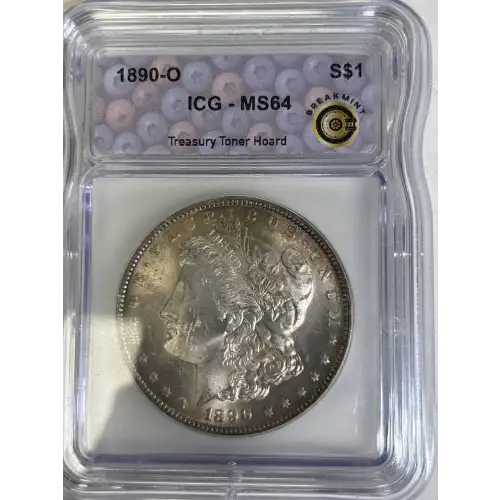
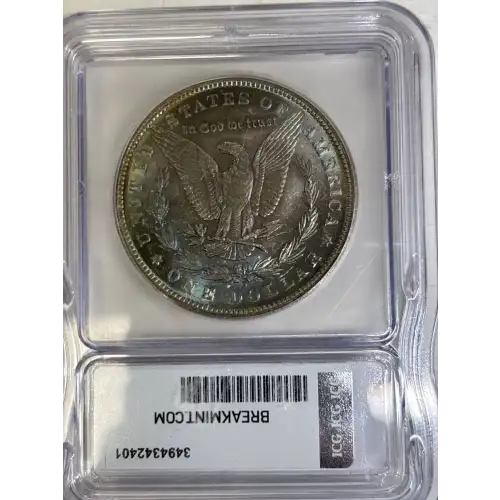
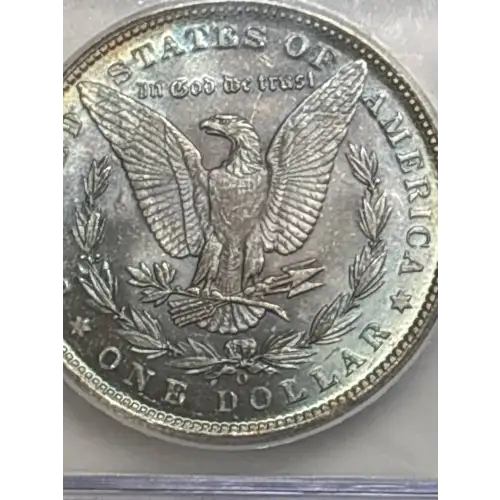
1890-O Morgan Silver Dollar ICG MS-64 Treasury Toner Hoard
Category: Morgan Silver DollarDescription
1890-O Morgan Silver Dollar ICG MS-64 Treasury Toner Hoard
The 1890-O Morgan Silver Dollar represents one of the most iconic and sought-after coins in American numismatic history. This particular specimen, graded MS-64 by ICG (Independent Coin Graders) and originating from a Treasury Toner Hoard, represents an exceptional opportunity for serious collectors and investors alike. With its rich historical significance and impressive preservation, this coin exemplifies the golden age of American coinage and offers tangible value in both precious metal content and numismatic prestige.
Coin Specifications
- Year of Issue: 1890
- Mint Mark: O (New Orleans Mint)
- Denomination: One Dollar ($1.00)
- Metal Composition: 90% Silver, 10% Copper
- Weight: 26.73 grams
- Diameter: 38.1 millimeters
- Grading Service: ICG (Certified)
- Grade: MS-64 (Mint State)
- Provenance: Treasury Toner Hoard
- Silver Content: Approximately 0.7735 troy ounces of pure silver
Understanding the MS-64 Grade
An MS-64 grade represents a coin in exceptional Mint State condition, indicating that the coin shows virtually no signs of circulation. At this grade level, the coin retains original luster and mint brilliance, with only light contact marks visible under magnification. This is considered an excellent grade for coins of the 1890-O vintage, representing a perfect balance between rarity, preservation, and collector value. Coins graded MS-64 typically command significant premiums over circulated examples while remaining more accessible than higher-grade specimens.
The Treasury Toner Hoard Significance
The term "Treasury Toner" refers to coins that were stored in Treasury vaults for extended periods, developing distinctive patina and toning patterns from extended storage. These coins were held in government repositories for decades, insulated from normal circulation and market handling. The 1890-O Morgan dollars from Treasury Toner hoards are particularly prized because they represent coins that were essentially placed into storage shortly after mintage and remained protected until their eventual release to collectors.
The Treasury Toner designation adds considerable collector appeal and historical authenticity to this specimen. Rather than being handled by numerous collectors and dealers, this coin spent much of its existence in secure government storage, preserving its original surfaces and developing the characteristic toning that appeals to serious numismatists. This provenance story adds a layer of historical significance that resonates with advanced collectors.
Historical Context of the 1890-O Morgan Dollar
The Morgan Dollar series, named after designer George T. Morgan, was minted from 1878 to 1904 and again briefly in 1921. These coins represent a pivotal period in American monetary history, created during a time of significant debate over currency policy and the role of silver in the nation's economy. The 1890 issue represents the continuation of this important series during the fourth year of resumed coinage following the Morgan Dollar hiatus that began after 1885.
The New Orleans Mint, identifiable by the "O" mintmark on the reverse, was one of several facilities responsible for producing Morgan dollars. The New Orleans facility had a storied history, operating in various capacities since the early 1800s. The 1890-O issue represents a noteworthy year from this facility, as production numbers and survival rates make certain dates more desirable than others.
The Role of the New Orleans Mint
The New Orleans Mint played a crucial role in American coinage throughout the 19th century. Located in the Port of New Orleans, the mint was strategically positioned to utilize silver from western mining operations and facilitate international trade. Production at the New Orleans facility fluctuated based on silver availability and federal monetary policy directives. The coins produced at this facility carry particular significance for regional collectors and those interested in the broad geographic diversity of American mint operations.
Morgan Dollar Design and Artistry
Designed by George T. Morgan, the Morgan Dollar features Lady Liberty on the obverse (front) side, portrayed as a classical representation of American freedom and democratic ideals. Liberty is shown in left profile, draped in classical garb, with the word "LIBERTY" inscribed along the left edge and the date prominently displayed below. Her hair is bound in a Phrygian cap, a symbol associated with freedom dating back to Roman times.
The reverse features an eagle with outstretched wings, grasping arrows and an olive branch in its talons—representing military strength and the peaceful prosperity of the nation. The eagle is portrayed in a heraldic style, symbolizing the power and majesty of the United States. The words "UNITED STATES OF AMERICA" arc along the top, while "ONE DOLLAR" appears below. The mint mark, in this case "O," is positioned above the left arrow, making it easily identifiable to collectors.
Silver Content and Bullion Value
With its 90% silver composition, the 1890-O Morgan dollar contains substantial precious metal value. Each coin contains approximately 0.7735 troy ounces of pure silver, making it a meaningful physical holding of this precious metal. Beyond the intrinsic silver value, the numismatic premium—the additional value collectors pay above the melt value—reflects the rarity, grade, and historical significance of this particular specimen.
For investors interested in tangible assets, the Morgan dollar series offers an attractive combination of precious metal content and collectible numismatic value. The 1890-O in MS-64 condition represents an excellent example of this investment category, offering exposure to silver bullion with the added benefit of collectible appreciation potential.
Preservation and Toning Characteristics
MS-64 graded coins display the characteristic beauty of exceptional preservation. Original mint luster remains visible across the devices and fields, though it may show light contact marks under close inspection. Treasury Toner examples often display attractive coloration ranging from golden hues to deeper amber tones, depending on storage conditions and environmental factors. These naturally occurring patinas are highly prized by serious collectors who appreciate the aesthetic qualities they impart.
The toning visible on Treasury Toner hoard coins is entirely natural, resulting from chemical reactions between the silver and copper content and atmospheric conditions within the storage environment. These toning patterns are permanent and will not develop further, making them historically significant markers of the coin's storage history. Advanced collectors often prefer these toned examples over bright, untoned specimens, as the toning adds character and documentary evidence of the coin's providence.
Grading and Certification by ICG
ICG (Independent Coin Graders) is one of the major certification services in numismatics, providing expert authentication and grading services. When a coin is certified by ICG, it is encapsulated in a secure, tamper-evident holder with a label indicating the grade, date, mint mark, and other relevant information. This certification provides authentication confidence and establishes a documented grade that facilitates future sales and trades.
The ICG MS-64 grade on this 1890-O represents a consistent, objective assessment of the coin's condition by trained numismatic professionals. This certification serves as important documentation for collectors, dealers, and investors who rely on standardized grading to make informed purchasing decisions.
Collectibility and Market Demand
The 1890-O Morgan dollar remains popular among collectors for several compelling reasons. The date itself represents an important year in the series, the New Orleans mint facility adds regional appeal, and high-grade certified examples are always in demand. As raw, uncertified examples may present authentication challenges, certified specimens command premium values in the marketplace.
Morgan dollars as a category have demonstrated remarkable resilience in the collecting market. Strong demand from both numismatists and bullion-oriented investors supports consistent market activity. The MS-64 grade level represents a "sweet spot" for many collectors—rare enough to be noteworthy, yet more affordable than higher grades while offering exceptional eye appeal and preservation.
Investment Perspective
From an investment standpoint, certified Morgan dollars in high grades offer several advantages. First, they provide exposure to physical silver with a historical component. Second, the collectible premium reflects recognized scarcity and desirability. Third, the certification provides third-party validation of authenticity and grade, reducing transaction friction. Fourth, the broad collector base for Morgan dollars ensures reasonable liquidity in the marketplace.
The 1890-O in MS-64 grade represents a strong collector specimen with significant precious metal backing. Whether acquired for numismatic appreciation, silver exposure, or historical interest, this coin offers tangible value and documented quality.
Care and Storage Recommendations
Coins certified by ICG arrive encapsulated in protective holders designed to preserve their condition indefinitely. These certified holders should be stored in cool, dry environments away from humidity extremes and temperature fluctuations. Most collectors store certified specimens in safe deposit boxes, home safes, or secure vault facilities. The encapsulation protects the coin from environmental exposure while preserving its investment value.
When handling the certified coin, direct contact with the numismatic surfaces should be minimized. The protective holder can be examined and displayed, but the coin itself should not be removed from its encapsulation, as doing so would void the grading certification and expose the surfaces to potential damage.
Why Choose the 1890-O Morgan Dollar Today
The 1890-O Morgan Silver Dollar ICG MS-64 Treasury Toner Hoard specimen represents a tangible connection to American monetary history. Minted over 130 years ago, this coin has survived through numerous economic cycles, policy changes, and market conditions. Today, it stands as a testament to the enduring appeal of classic American coinage and the wisdom of holding physical precious metals.
Whether you're an experienced numismatist seeking a grade-appropriate example of this date and mint, a collector building a Morgan dollar set, a history enthusiast interested in 19th-century American coinage, or an investor seeking tangible silver assets, the 1890-O offers compelling attributes. The combination of certified quality, precious metal content, historical significance, and collector demand makes this an excellent addition to any collection or investment portfolio.
Make Your Acquisition Today
Quality certified Morgan dollars in grades MS-64 and higher continue to appreciate as availability becomes increasingly limited. The 1890-O from the New Orleans Mint represents one of the classic dates in the series, and Treasury Toner examples offer the added appeal of historical documentation and natural toning beauty. Don't miss the opportunity to own this exceptional specimen of American numismatic and monetary heritage.
Specifications
Related products